

The traditional uterine tonic for menstrual health
Raspberry leaf tea, made from the dried leaves of the red raspberry plant (Rubus idaeus), is one of the most respected herbal remedies for women’s reproductive health. Unlike many herbal teas that are consumed for pleasure, raspberry leaf tea is traditionally taken as a medicine – specifically, as a uterine tonic. It has been used for centuries by midwives and herbalists to tone the uterine muscles, ease menstrual cramps, regulate cycles, and prepare the womb for childbirth. The leaves contain a complex array of vitamins, minerals, and plant compounds that work together to strengthen and nourish the reproductive system. While much of the evidence is traditional rather than clinical, raspberry leaf tea remains a staple in natural women’s health. For those seeking natural support for period pain, heavy bleeding, or pregnancy preparation, raspberry leaf tea is an excellent choice.
“If you’d like to try the teas mentioned in this article, we’ve curated a selection of high-quality, tested sources below. Every product we recommend has been chosen for purity and potency, or visit our online Herbal Tea Shop for even more choice.”
Looking for a specific herbal tea? Browse the full A–Z list here:
Herbal Teas A-Z List
Get the Free Herbal Tea Shop Cheat Sheet
What raspberry leaf tea is and how it works
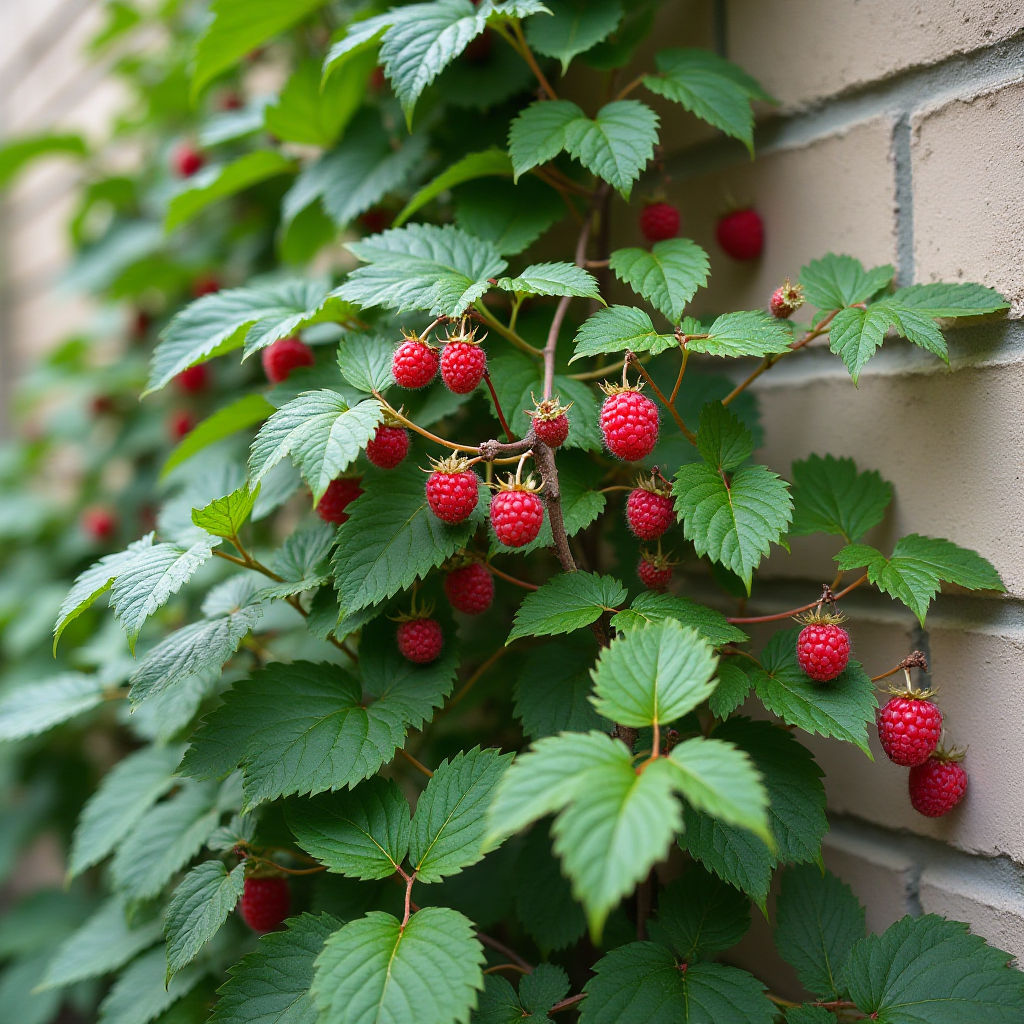
Red raspberry (Rubus idaeus) is a deciduous shrub native to Europe and northern Asia, now naturalised throughout North America. The leaves are harvested in late spring and early summer, then dried for medicinal use. Unlike the fruit, which is sweet and tart, the leaves have a mild, slightly astringent, tea-like flavour.
The primary active compounds in raspberry leaf include tannins (such as ellagitannins and gallotannins), flavonoids (including quercetin and kaempferol), fragarine (an alkaloid traditionally believed to be the active uterine compound), vitamins and minerals (including vitamins C, E, and B complex, calcium, magnesium, iron, and potassium), and phenolic acids. These compounds work through several mechanisms: uterine tonic effects (strengthening and toning the smooth muscle of the uterus), astringent properties (tightening tissues and reducing heavy menstrual bleeding), anti-inflammatory effects (reducing pelvic inflammation), antioxidant activity (protecting cells from oxidative damage), and nutrient support (providing minerals essential for muscle function). When prepared as a tea, these compounds are extracted into the water, providing a gentle but effective way to support reproductive health.
Raspberry leaf is considered a “slow” herb – its benefits are cumulative, building over weeks or months of consistent use rather than providing immediate relief.
Key health benefits of raspberry leaf tea
Menstrual cramp relief is one of the most common uses of raspberry leaf tea. The tannins and fragarine are believed to help tone and relax the uterine muscles, reducing the intensity of painful contractions. Unlike antispasmodic herbs that work acutely, raspberry leaf works best when consumed regularly throughout the menstrual cycle, not just during menstruation. Women who drink raspberry leaf tea daily often report less painful periods after two to three cycles.
Heavy menstrual bleeding (menorrhagia) may be reduced by raspberry leaf tea. The astringent properties help tighten and tone the uterine lining, potentially reducing excessive blood flow. Raspberry leaf is also rich in iron, which can help replenish iron stores lost during heavy bleeding.
Note: The tannins in raspberry leaf can inhibit absorption of iron from other foods, but the iron naturally present in the leaves is still partially bioavailable. Drinking the tea between meals maximises absorption.
Menstrual regularity may be supported by raspberry leaf tea. By toning the uterine muscles and supporting hormonal balance, raspberry leaf may help regulate irregular cycles. It is often used by women with polycystic ovary syndrome (PCOS) or other cycle irregularities, though evidence is traditional rather than clinical.
Pregnancy preparation is a traditional use of raspberry leaf tea. Many midwives recommend drinking raspberry leaf tea during the second and third trimesters to tone the uterine muscles in preparation for labour. Some studies suggest it may shorten the second stage of labour and reduce the need for interventions. However, raspberry leaf should not be used in the first trimester unless under professional guidance. (Always consult a midwife or obstetrician.)
Postpartum recovery can be supported by raspberry leaf tea. The astringent properties help the uterus return to its pre-pregnancy size (involution), and the iron content helps replenish blood lost during childbirth.
Digestive support is a lesser-known benefit. The tannins in raspberry leaf have mild astringent properties that can help relieve diarrhoea. The tea is sometimes used for mild digestive upset in children as well.
Oral health benefits from raspberry leaf’s astringent and antimicrobial properties. The tea can be used as a mouthwash to soothe sore gums, mouth ulcers, and bleeding gums.
Antioxidant protection helps protect cells from oxidative damage. The flavonoids and other compounds in raspberry leaf have strong antioxidant properties.
How to prepare raspberry leaf tea
Raspberry leaf tea can be prepared from dried leaves or tea bags. From dried leaves: Use one to two teaspoons of dried raspberry leaf per cup of water. Pour freshly boiled water over the leaves and steep for 10–15 minutes. Longer steeping produces a stronger, more astringent infusion. From tea bags: Use one tea bag per cup. Steep for 5–10 minutes. Flavour: Raspberry leaf tea has a mild, slightly astringent, tea-like flavour with subtle fruity and earthy notes. It is pleasant and not bitter. Blending: Raspberry leaf blends well with other herbs. Classic combinations include raspberry leaf with nettle (for mineral support), raspberry leaf with chamomile (for calming and cramp relief), raspberry leaf with peppermint (for digestive support), and raspberry leaf with fennel (for hormonal support). Sweetening: Honey can be added, but the tea is pleasant on its own.
How to use raspberry leaf tea safely
Raspberry leaf tea is generally safe for most people when consumed in moderate amounts—one to three cups daily. However, several precautions apply.
Pregnancy: Raspberry leaf tea is traditionally used in the second and third trimesters to prepare the uterus for labour. However, it should be used with caution and under the guidance of a midwife or obstetrician. It should not be used in the first trimester, as it may stimulate uterine contractions. Some sources advise avoiding it entirely during pregnancy. Always consult a healthcare provider.
Breastfeeding: Raspberry leaf tea is generally considered safe for breastfeeding mothers. The tannins may help reduce postpartum bleeding, and the nutrients support recovery. However, consult a healthcare provider before regular use.
Hormone-sensitive conditions: Raspberry leaf has mild effects on the reproductive system. Those with hormone-sensitive conditions such as endometriosis, uterine fibroids, or ovarian cysts should consult a healthcare provider before regular use.
Medication interactions: Raspberry leaf may interact with certain medications, including blood thinners (due to vitamin K content), diabetes medications (may lower blood sugar), and lithium. Consult your healthcare provider.
Iron absorption: The tannins in raspberry leaf can inhibit iron absorption. Those with iron deficiency should drink raspberry leaf tea between meals rather than with iron-rich foods.
Note: The tannins in raspberry leaf can inhibit absorption of iron from other foods, but the iron naturally present in the leaves is still partially bioavailable. Drinking the tea between meals maximises absorption.
Children: Raspberry leaf tea is generally safe for children in small amounts for digestive upset. Use half the adult amount. Consult a healthcare provider for young children.
Recommended dosage
For menstrual cramp relief and cycle regularity, one to two cups of raspberry leaf tea daily throughout the cycle is recommended. For heavy bleeding, two to three cups daily during menstruation. For pregnancy preparation (second and third trimesters only), one to two cups daily under professional guidance. Benefits typically become noticeable after two to three cycles of consistent use.
Limitations of raspberry leaf tea
Raspberry leaf tea is not a substitute for medical treatment, particularly for severe menstrual pain (dysmenorrhoea), endometriosis, fibroids, or pregnancy complications. Its effects are mild and work best as part of a broader approach that includes a balanced diet, stress management, and appropriate medical care. Claims that raspberry leaf “cures” infertility or guarantees an easy labour are unsupported; it is best understood as a supportive tool for reproductive health.
FAQ
Is raspberry leaf tea good for period cramps?
Yes. Raspberry leaf tea is traditionally used to tone the uterine muscles and reduce the intensity of menstrual cramps. It works best when consumed regularly throughout the cycle.
Does raspberry leaf tea help with heavy periods?
Yes. The astringent properties of raspberry leaf tea can help tighten and tone the uterine lining, potentially reducing heavy menstrual bleeding. It is also rich in iron to replenish stores.
Is raspberry leaf tea safe during pregnancy?
Raspberry leaf tea is traditionally used in the second and third trimesters to prepare the uterus for labour. However, it should not be used in the first trimester. Always consult a midwife or obstetrician before using raspberry leaf tea during pregnancy.
What does raspberry leaf tea taste like?
Raspberry leaf tea has a mild, slightly astringent, tea-like flavour with subtle fruity and earthy notes. It is pleasant and not bitter.
How long does raspberry leaf tea take to work for period cramps?
Raspberry leaf is a “slow” herb. Most women notice improvements in cramping after two to three cycles of consistent daily use. You could try starting drinking it a day or two before you are due.
Conclusion
Raspberry leaf tea is a traditional uterine tonic that offers genuine support for menstrual cramps, heavy bleeding, cycle regularity, and pregnancy preparation. Its astringent and uterine-toning properties make it a valuable tool for women’s reproductive health. The mild, tea-like flavour is pleasant and easy to drink daily. Used consistently throughout the menstrual cycle, raspberry leaf tea can help ease period pain, regulate cycles, and support overall reproductive wellness.
Recommended Products
If you’d like to try these teas for yourself, we’ve curated a selection of high-quality, tested sources below. Every product we recommend has been chosen for purity and potency, or visit our online Herbal Tea Shop for even more choice.
Raspberry Leaf tea (loose leaf): https://amzn.to/4ualxrp
Raspberry Leaf tea bags: https://amzn.to/4mKRxj4
Chamomile tea (loose leaf): https://amzn.to/3Pv6zgo
Chamomile tea bags: https://amzn.to/4bCq3XM
Ginger tea (loose leaf): https://amzn.to/3PmSWQw
Ginger tea bags: https://amzn.to/4szy0Ve
Peppermint tea (loose leaf): https://amzn.to/4lIQSyi
Peppermint tea bags: https://amzn.to/3NMIelO
Manuka Honey: https://amzn.to/47p7i9g
High-quality Garlic press: https://amzn.to/4sFBsxD
Tea infuser: https://amzn.to/4lAToGE
Glass teapot: https://amzn.to/4snGsGY
Storage boxes: https://amzn.to/47UQgQf
Assortment Box: https://amzn.to/3NFO9ZJ
Visit our online Herbal Tea Shop for more choice!
Do you read novels? Visit our bookshop to check out the ‘culturally grounded, Otherworldly narratives’ by Owen Jones.
Further Reading
For a full evidence-based overview of herbal tea benefits, safety, and quality considerations, read our complete guide to Herbal Tea Benefits
1] For more on period cramps, see:
Can Herbal Tea Help with Period Cramps?
2] For hormonal balance, see:
Spearmint Tea
3] For digestive support, see:
Herbal Teas to Aid Digestion
4] For safety guidance on herbal teas, see:
Are Herbal Teas Safe?
5] For potential interactions with medications, see:
Herbal Tea and Medication
Looking for a specific herbal tea? Browse the full A–Z list here:
Herbal Teas A-Z List
Get the Free Herbal Tea Shop Cheat Sheet
References
1] National Center for Complementary and Integrative Health (NCCIH) – Raspberry Leaf
Provides evidence-based information on raspberry leaf safety and research.
2] European Medicines Agency – Raspberry Leaf
Offers regulatory and safety assessments for raspberry leaf preparations.
3] National Health Service (NHS) – Period Pain
Provides medical guidance on dysmenorrhoea and treatment options.
4] Cleveland Clinic – Natural Remedies for Period Cramps
Provides practical recommendations for natural menstrual pain relief.