

The gentle mint that balances hormones and soothes digestion
Spearmint tea, made from the leaves of the Mentha spicata plant, is a refreshing, mildly sweet herbal infusion that offers far more than just a pleasant flavour. While often overshadowed by its more pungent relative peppermint, spearmint has its own unique therapeutic properties. It is particularly valued for its ability to support hormonal balance, making it a go-to remedy for hormonal acne, hirsutism (excess hair growth), and polycystic ovary syndrome (PCOS). Spearmint tea also aids digestion, relieves nausea, reduces stress, and has mild anti-inflammatory and antimicrobial properties. Unlike peppermint, which contains high levels of menthol, spearmint has a lower menthol content and a sweeter, more delicate flavour. This makes it gentler and more palatable for regular use, especially for children and those with sensitive stomachs. For those seeking a natural way to balance hormones, calm digestive upset, or simply enjoy a refreshing caffeine-free tea, spearmint is an excellent choice.
If you’d like to try these teas for yourself, we’ve curated a selection of high-quality, tested sources below. Every product we recommend has been chosen for purity and potency, or visit our online Herbal Tea Shop for even more choice.
What spearmint tea is and how it works
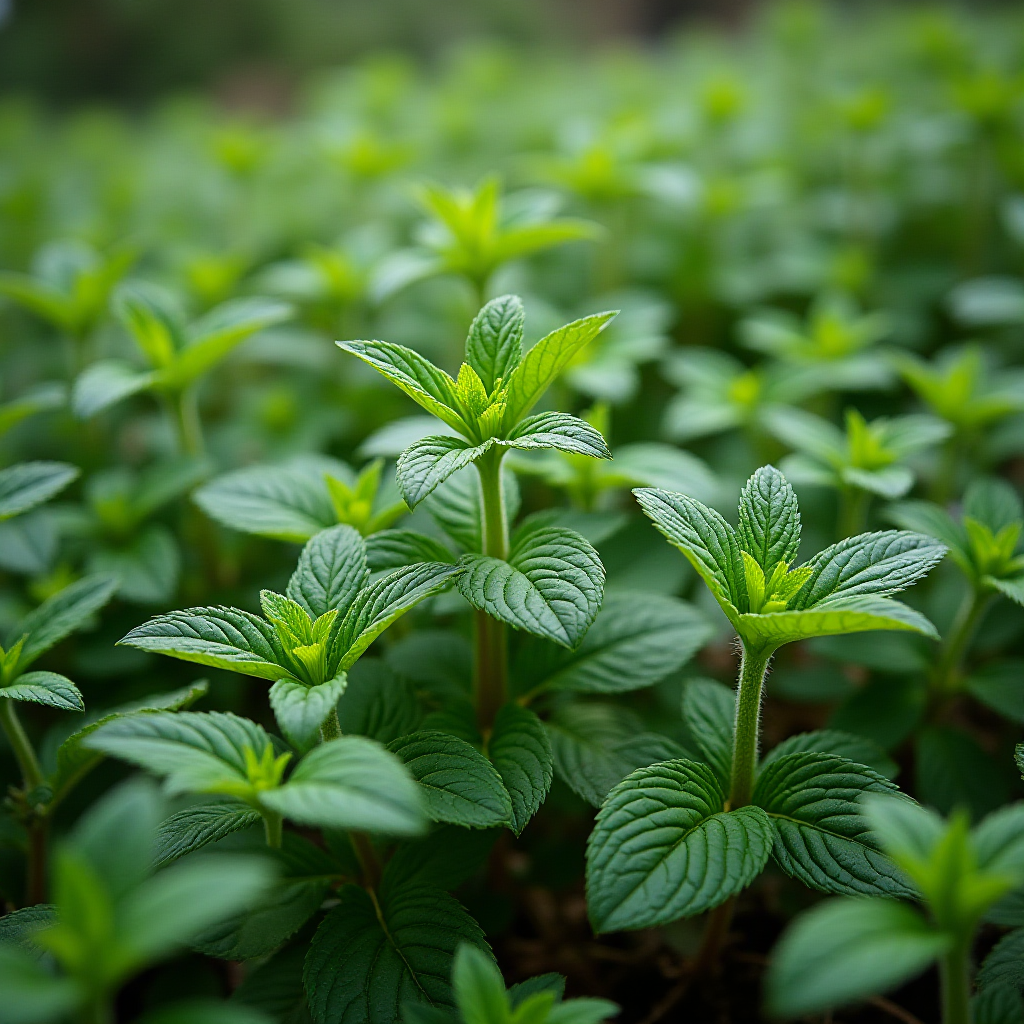
Spearmint (Mentha spicata) is a perennial herb in the Lamiaceae (mint) family, native to Europe and Asia but now cultivated worldwide. It has been used for thousands of years in traditional medicine systems, including Greek, Roman, Egyptian, and Ayurvedic medicine. The name “spearmint” refers to the pointed, spear-like shape of its leaves. Unlike peppermint, which is a hybrid of watermint and spearmint, spearmint contains lower levels of menthol and higher levels of the compound carvone, which gives it a sweeter, milder flavour.
The primary active compounds in spearmint include carvone, limonene, rosmarinic acid, flavonoids (such as luteolin and apigenin), and phenolic acids. These compounds work through several mechanisms: anti-androgenic effects (reducing the activity of male hormones such as testosterone), carminative action (relaxing the digestive tract to relieve gas and bloating), antispasmodic properties (reducing cramping in the digestive tract and uterus), anti-inflammatory effects (reducing inflammation throughout the body), antioxidant activity (protecting cells from oxidative damage), and mild sedative properties (promoting relaxation). When prepared as a tea, these compounds are extracted into the water, providing a gentle but effective way to support hormonal balance, digestion, and overall wellness.
The most notable and unique property of spearmint is its ability to reduce androgen levels. Several clinical studies have shown that drinking spearmint tea daily can lower free testosterone levels, making it particularly useful for women with hormonal imbalances.
Key health benefits of spearmint tea
Hormonal balance for women is the most distinctive benefit of spearmint. Clinical studies have shown that drinking two cups of spearmint tea daily for as little as five days can significantly reduce free testosterone levels. This makes spearmint tea particularly valuable for conditions driven by excess androgens, such as:
- Hormonal acne: Spearmint can help reduce the frequency and severity of breakouts caused by excess androgens.
- Hirsutism (excess hair growth): By lowering testosterone, spearmint tea may help reduce unwanted hair growth in women.
- Polycystic ovary syndrome (PCOS): Spearmint tea is often used as a supportive remedy for PCOS, a condition characterised by high androgen levels, irregular periods, and ovarian cysts.
Digestive support is another major benefit. Spearmint has carminative and antispasmodic properties that help relax the digestive tract, relieving gas, bloating, cramping, and indigestion. Unlike peppermint, which can worsen acid reflux in some people by relaxing the lower oesophageal sphincter, spearmint is generally gentler and less likely to cause reflux.
Nausea relief can be provided by spearmint tea. It is particularly useful for mild nausea, including morning sickness during pregnancy (though consult a healthcare provider first), travel sickness, and nausea from digestive upset.
Stress and anxiety reduction is a traditional use of spearmint. Its mild sedative and calming properties help reduce nervous tension and promote relaxation without causing drowsiness. The pleasant aroma also contributes to its calming effects.
Menstrual cramp relief comes from spearmint’s antispasmodic properties. It helps relax the smooth muscle of the uterus, reducing the intensity of period pains/menstrual cramps. It can also help with other menstrual symptoms such as bloating and nausea.
Respiratory support is a lesser-known benefit. Spearmint has mild decongestant and expectorant properties that can help relieve nasal congestion, coughs, and mild respiratory infections. The steam from spearmint tea can be inhaled for additional relief.
Antioxidant protection helps protect cells from oxidative damage. The rosmarinic acid and flavonoids in spearmint have strong antioxidant properties that support overall health.
Many people keep Spearmint tea on hand for this — you can check available loose leaf & tea bags here → Spearmint Tea
How to prepare spearmint tea
Spearmint tea can be prepared from dried or fresh leaves. From dried leaves: Use one to two teaspoons of dried spearmint leaves per cup of water. Pour freshly boiled water over the leaves and steep for 5–10 minutes. Longer steeping produces a stronger, more minty infusion. From fresh leaves: Use a small handful of fresh spearmint leaves (about 5–10 leaves) per cup. Gently bruise the leaves to release their oils before steeping. Steep for 5–10 minutes. Flavour: Spearmint tea has a refreshing, sweet, mild minty flavour with notes of lemon and a hint of spice. It is less intense than peppermint and naturally sweet. Blending: Spearmint blends beautifully with other herbs such as chamomile, lemon balm, fennel, or green tea. It is also a key ingredient in Moroccan mint tea (spearmint with gunpowder green tea). Sweetening: Additional sweetening is usually unnecessary, but honey can be added for extra soothing benefits.
How to use spearmint tea safely
Spearmint is generally safe for most people when consumed in moderate amounts – one to three cups daily. However, several precautions apply.
Pregnancy and breastfeeding: Spearmint is generally considered safe in moderate amounts (one to two cups daily) during pregnancy. However, medicinal doses (strong tea consumed regularly in large quantities) should be discussed with a healthcare provider. Some traditional sources suggest avoiding large amounts of mint during pregnancy.
Hormone-sensitive conditions: Because spearmint has anti-androgenic effects, it may affect hormone levels. Women with hormone-sensitive conditions such as breast cancer, uterine cancer, or endometriosis should consult a healthcare provider before regular use. Men should also be cautious, as spearmint may lower testosterone.
Iron absorption: Like other mint teas, spearmint contains tannins that can inhibit iron absorption. Those with iron deficiency should drink spearmint tea between meals rather than with iron-rich foods.
Medication interactions: Spearmint may interact with certain medications, including:
- Androgen medications: Spearmint may enhance the effects of medications that lower androgens.
- Sedatives: Spearmint may potentiate the effects of sedative medications.
- Diabetes medications: Spearmint may lower blood sugar. Monitor your levels.
Gastroesophageal reflux disease (GERD): While spearmint is less likely than peppermint to worsen acid reflux, it can still relax the lower oesophageal sphincter in some individuals. Those with GERD should start with a small amount to assess tolerance.
Allergies: Spearmint is in the Lamiaceae (mint) family, which includes peppermint, basil, rosemary, oregano, and lavender. Individuals with known allergies to these plants may also react to spearmint.
Children: Spearmint tea is safe for children in appropriate doses. Use half the adult amount (one-half to one teaspoon per cup). It is often used for digestive upset and nausea in children.
Recommended dosage
For hormonal balance (acne, hirsutism, PCOS), two cups of spearmint tea daily is recommended. Clinical studies have used this dosage. For digestive support, one to two cups daily after meals is sufficient. For menstrual cramps, one to two cups daily during menstruation. For general wellness, one to two cups daily. Benefits for hormonal conditions typically become noticeable after four to eight weeks of consistent daily use.
Limitations of spearmint tea
Spearmint tea is not a substitute for medical treatment, particularly for diagnosed hormonal disorders such as PCOS, endometriosis, or infertility. Its effects are mild and work best as part of a broader approach that includes diet, exercise, and appropriate medical care. Claims that spearmint tea “cures” PCOS or hormonal acne are unsupported; it is best understood as a supportive tool for hormonal balance.
FAQ
Is spearmint tea good for hormonal acne?
Yes. Clinical studies have shown that drinking spearmint tea daily can lower free testosterone levels, which can help reduce hormonal acne in women.
Does spearmint tea lower testosterone?
Yes. Studies have demonstrated that spearmint tea can significantly reduce free testosterone levels in women after as little as five days of daily consumption.
Is spearmint tea safe during pregnancy?
Spearmint tea is generally considered safe in moderate amounts (one to two cups daily) during pregnancy. However, consult your healthcare provider before regular use.
What is the difference between spearmint and peppermint tea?
Spearmint has a sweeter, milder, less intense mint flavour and lower menthol content than peppermint. Spearmint also has unique anti-androgenic properties not found in peppermint. Spearmint is generally gentler on the stomach and less likely to worsen acid reflux.
Can men drink spearmint tea?
Yes, men can drink spearmint tea. However, because it may lower testosterone, men with low testosterone or those trying to build muscle mass may wish to moderate their intake.
Conclusion
Spearmint tea is a gentle, sweet, and versatile herbal remedy with unique therapeutic properties. Its ability to lower androgens makes it particularly valuable for women with hormonal acne, hirsutism, and PCOS. It also aids digestion, relieves nausea and menstrual cramps, reduces stress, and provides antioxidant protection. Unlike peppermint, spearmint is gentler on the stomach and less likely to worsen acid reflux, making it suitable for regular use. The refreshing, sweet flavour is pleasant on its own or blended with other herbs. Used consistently, spearmint tea can be a valuable tool for hormonal balance and digestive health.
Recommended Products
If you’d like to try these teas for yourself, we’ve curated a selection of high-quality, tested sources below. Every product we recommend has been chosen for purity and potency, or visit our online Herbal Tea Shop for even more choice.
Spearmint tea (loose leaf): https://amzn.to/4bTpAAQ
Spearmint tea bags: https://amzn.to/41vhLMG
Chamomile tea (loose leaf): https://amzn.to/3Pv6zgo (for blending)
Lemon balm tea (loose leaf): https://amzn.to/4bA4NlH (for blending)
Manuka Honey: https://amzn.to/47p7i9g
Tea infuser: https://amzn.to/4lAToGE
Glass teapot: https://amzn.to/4snGsGY
High-quality Garlic press: https://amzn.to/4sFBsxD
Storage boxes: https://amzn.to/47UQgQf
Assortment Box: https://amzn.to/3NFO9ZJ
Visit our online Herbal Tea Shop for more choice!
Do you read novels? Visit our bookshop to check out the ‘culturally grounded, Otherworldly narratives’ by Owen Jones.
Looking for a specific herbal tea? Browse the full A–Z list here:
Herbal Teas A-Z List
Get the Free Herbal Tea Shop Cheat Sheet
Further Reading
For a full evidence-based overview of herbal tea benefits, safety, and quality considerations, read our complete guide to Herbal Tea Benefits
1] For more on hormonal acne, see:
Tea for Acne
2] For digestive support, see:
Herbal Teas to Aid Digestion
3] For menstrual cramp relief, see:
Can Herbal Tea Help with Period Cramps?
4] For safety guidance on herbal teas, see:
Are Herbal Teas Safe?
5] For potential interactions with medications, see:
Herbal Tea and Medication
Visit our bookshop to check out the ‘culturally grounded, Otherworldly narratives’ by Owen Jones.
References
1] National Center for Complementary and Integrative Health (NCCIH) – Spearmint
Provides evidence-based information on spearmint safety and research.
2] National Institutes of Health (NIH) – Spearmint and Hormonal Balance
Peer-reviewed study on spearmint tea’s anti-androgenic effects.
3] National Health Service (NHS) – Polycystic ovary syndrome (PCOS)
Provides medical guidance on PCOS symptoms and management.
4] Cleveland Clinic – Spearmint Tea for Hormonal Acne
Provides practical recommendations for using spearmint tea for skin health.