
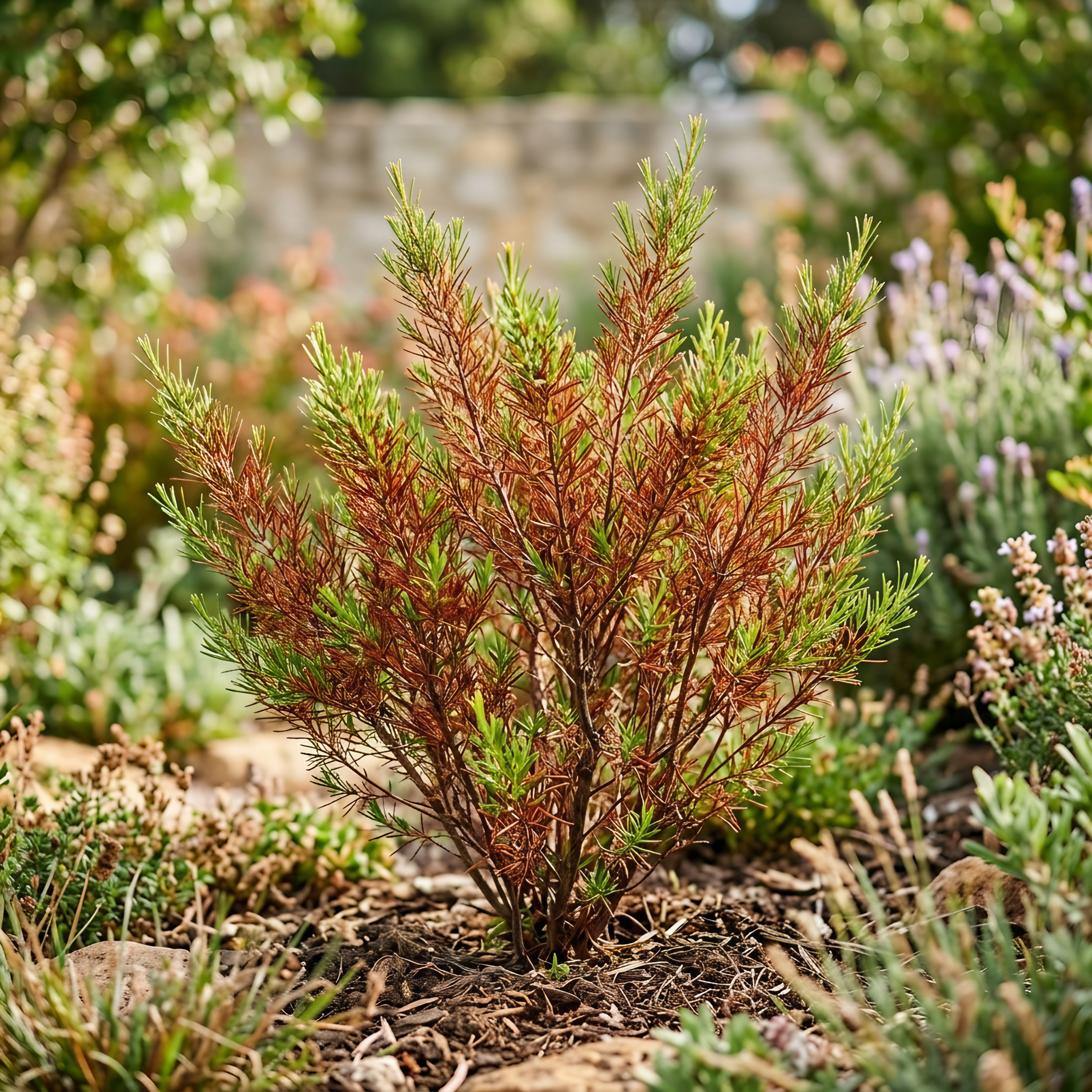


The sweet, nutty, caffeine-free herbal from South Africa
Rooibos tea, made from the needle-like leaves of the Aspalathus linearis plant, is one of the most beloved herbal teas in the world. Unlike many herbal infusions that have been used for millennia, rooibos has a relatively short history of commercial use – it was first cultivated and traded in the early 20th century—but it has rapidly gained popularity for its sweet, nutty, vanilla-like flavour and its impressive health benefits. Grown exclusively in the Cederberg region of South Africa, rooibos is naturally caffeine-free, low in tannins, and rich in unique antioxidants not found in other plants. It is particularly valued for its potential to support heart health, bone health, digestion, and skin health, and it is gentle enough for daily consumption by people of all ages, including children and pregnant women. Unlike many herbal teas that can become bitter when over-steeped, rooibos remains sweet and smooth, making it one of the most forgiving and accessible herbal teas available.
If you’d like to try the herbal teas mentioned in this article for yourself, we’ve curated a selection of high-quality, tested sources below. Every product we recommend has been chosen for purity and potency, or visit our online Herbal Tea Shop for even more choice.
Looking for a specific herbal tea? Browse the full A–Z list here:
Herbal Teas A-Z List
Get the Free Herbal Tea Shop Cheat Sheet
What rooibos tea is and how it works
Rooibos (Aspalathus linearis) is a leguminous shrub native to the Cederberg Mountains of South Africa’s Western Cape province. The name “rooibos” means “red bush” in Afrikaans, referring to the colour the leaves turn during the oxidation (fermentation) process. The plant has no significant relatives in the botanical world – it is a unique species found nowhere else on Earth. The indigenous Khoisan people of the region have used rooibos for centuries as a health-giving beverage, but it was not until the early 1900s that a Russian immigrant named Benjamin Ginsberg recognised its commercial potential and began cultivating it.
The primary active compounds in rooibos include aspalathin and nothofagin – unique flavonoids not found in any other plant. These are powerful antioxidants that have been extensively studied for their health benefits. Rooibos also contains quercetin, luteolin, orientin, and other polyphenols. These compounds work through several mechanisms: antioxidant activity (neutralising free radicals), anti-inflammatory effects (reducing systemic inflammation), ACE inhibition (mild blood pressure support), blood sugar regulation (improving insulin sensitivity), and bone health support (inhibiting bone resorption). When prepared as a tea, these compounds are extracted into the water, providing a gentle but effective way to support overall health.
Unlike black or green tea, rooibos is naturally caffeine-free and very low in tannins. This means it does not inhibit iron absorption (a concern with traditional teas) and does not become bitter when over-steeped. In fact, rooibos can be simmered for extended periods without losing its pleasant flavour.
Key health benefits of rooibos tea
Heart health support is one of the most well-documented benefits of rooibos. The unique antioxidant aspalathin has been shown to reduce oxidative stress on blood vessels, improve endothelial function, and support healthy blood pressure. Some studies suggest that regular rooibos consumption may help lower LDL (“bad”) cholesterol and triglycerides while maintaining or improving HDL (“good”) cholesterol. These effects contribute to overall cardiovascular protection.
Blood sugar regulation is another significant benefit. Aspalathin has been shown to improve insulin sensitivity and help regulate blood glucose levels. Some research suggests that rooibos may help prevent or manage type 2 diabetes by reducing insulin resistance and protecting pancreatic beta cells. For those with prediabetes or diabetes, rooibos tea may offer modest supportive benefits alongside conventional treatment.
Bone health is an emerging area of rooibos research. Some studies suggest that rooibos may help inhibit bone resorption (the breakdown of bone tissue) and support bone mineral density. This makes it potentially valuable for preventing or managing osteoporosis, particularly in postmenopausal women. Rooibos also contains calcium, manganese, and fluoride, which are important for bone health.
Digestive support is a traditional use of rooibos. Its low tannin content makes it gentle on the stomach, unlike black tea which can cause digestive upset in sensitive individuals. Rooibos has antispasmodic properties that can help relieve stomach cramps and diarrhoea. It is often recommended for colic in infants (consumed by breastfeeding mothers or given in small amounts to older infants).
Skin health benefits from rooibos’s antioxidant and anti-inflammatory properties. The tea can be consumed internally to support skin health from within, and cooled rooibos tea is sometimes used topically for eczema, acne, and sunburn. Its alpha-hydroxy acids and zinc content also support skin health.
Anti-inflammatory effects help reduce systemic inflammation, which is linked to numerous chronic conditions including heart disease, arthritis, and metabolic syndrome. Regular rooibos consumption may contribute to overall inflammatory balance.
Respiratory support is a traditional use of rooibos. Its antispasmodic properties can help relieve coughs and asthma symptoms, and its anti-inflammatory effects can soothe irritated airways.
Stress reduction is an indirect benefit. Rooibos is naturally caffeine-free and has a mild, sweet, comforting flavour that many people find relaxing. It can be enjoyed in the evening without interfering with sleep.
How to prepare rooibos tea
Rooibos tea is exceptionally easy to prepare and very forgiving. From loose leaf: Use one to two teaspoons of dried rooibos leaves per cup of water. Pour freshly boiled water over the leaves and steep for 5–10 minutes. Unlike many teas, rooibos does not become bitter with longer steeping; it only becomes stronger and more flavourful. From tea bags: One tea bag per cup, steep for 5–10 minutes. Simmer method: For a stronger infusion, simmer rooibos leaves in water for 10–15 minutes. This extracts more of the beneficial compounds and produces a richer flavour. Cold brew: Rooibos makes an excellent cold brew. Place leaves in cold water and refrigerate for 6–12 hours. The result is a smooth, naturally sweet iced tea. Flavour: Rooibos tea has a naturally sweet, nutty, vanilla-like flavour with hints of honey and caramel. It is smooth and full-bodied, with no bitterness or astringency. It can be enjoyed plain without sweeteners. Blending: Rooibos blends beautifully with other herbs, spices, and fruits. It is often combined with cinnamon, ginger, cardamom, vanilla, citrus peel, or berries. It is also a popular base for chai-style blends. Milk: Rooibos can be enjoyed with milk (dairy or plant-based) like black tea, making it a popular caffeine-free alternative to breakfast tea.
How to use rooibos tea safely
Rooibos tea is exceptionally safe and well tolerated by most people. However, a few considerations apply.
Pregnancy and breastfeeding: Rooibos is generally considered safe during pregnancy and breastfeeding. It is naturally caffeine-free and low in tannins. However, as with any herbal tea, moderate consumption (one to three cups daily) is recommended.
Iron absorption: Unlike black and green tea, rooibos is very low in tannins and does not significantly inhibit iron absorption. It is safe to drink with meals, even for those with iron deficiency.
Hormone-sensitive conditions: Some laboratory studies suggest that rooibos may have mild estrogenic effects. While the significance for humans drinking tea is unclear, those with hormone-sensitive conditions such as breast cancer, uterine cancer, or endometriosis may wish to consult a healthcare provider before regular use.
Allergies: Allergic reactions to rooibos are extremely rare but possible. Discontinue use if any allergic symptoms appear.
Children: Rooibos is safe for children and is often given to infants (over six months) for colic or digestive upset. It is naturally caffeine-free and gentle.
Medication interactions: Rooibos is generally considered safe alongside medications, but as with any herbal product, consult your healthcare provider if you are taking prescription medications.
Recommended dosage
For general wellness, one to three cups of rooibos tea daily is sufficient. For more targeted support—such as blood sugar regulation, heart health, or bone health – two to three cups daily may be consumed. Rooibos is safe for long-term daily use, and many people drink it as their primary daily beverage.
Limitations of rooibos tea
Rooibos tea is not a substitute for medical treatment, particularly for diabetes, hypertension, or osteoporosis. Its effects are mild and work best as part of a broader approach that includes a balanced diet, regular exercise, and appropriate medical care. Claims that rooibos “cures” diabetes or heart disease are unsupported; it is best understood as a supportive tool for overall health.
FAQ
Is rooibos tea caffeine-free?
Yes. Rooibos is naturally caffeine-free and can be enjoyed at any time of day without affecting sleep.
Does rooibos tea taste good?
Rooibos has a naturally sweet, nutty, vanilla-like flavour with hints of honey and caramel. It is smooth and full-bodied with no bitterness. Most people find it very pleasant, and it does not require sweeteners.
Is rooibos tea safe during pregnancy?
Yes, rooibos is generally considered safe during pregnancy. It is naturally caffeine-free and low in tannins. However, moderate consumption (one to three cups daily) is recommended.
Can rooibos tea help with diabetes?
Some research suggests that rooibos may help improve insulin sensitivity and regulate blood glucose levels. It may offer supportive benefits alongside conventional diabetes treatment, but it is not a substitute for medication.
Does rooibos tea have antioxidants?
Yes. Rooibos contains unique antioxidants called aspalathin and nothofagin, which are not found in any other plant. These compounds have powerful free-radical-scavenging properties.
Conclusion
Rooibos tea offers a unique combination of exceptional flavour, gentle action, and genuine health benefits. Naturally caffeine-free, low in tannins, and rich in the unique antioxidants aspalathin and nothofagin, it supports heart health, blood sugar regulation, bone health, and digestion. Unlike many herbal teas that can be bitter or medicinal, rooibos is sweet, smooth, and delicious—pleasant enough to drink plain, versatile enough to blend with other flavours. It is safe for daily consumption by people of all ages, including children and pregnant women. Whether enjoyed hot or iced, plain or with milk, rooibos is a truly accessible and beneficial herbal tea.
Further Reading
For a full evidence-based overview of herbal tea benefits, safety, and quality considerations, read our complete guide to Herbal Tea Benefits
1] For more on heart health, see:
Best Herbal Teas for Heart Health
2] For blood pressure support, see:
Can Herbal Tea Help with Blood Pressure?
3] For diabetes support, see:
Herbal Tea for Diabetes
4] For skin health, see:
Best Teas for Skin Health
5] For safety guidance on herbal teas, see:
Are Herbal Teas Safe?
Visit our bookshop to check out the ‘culturally grounded, Otherworldly narratives’ by Owen Jones.
Recommended Products
If you’d like to try the herbal teas mentioned in this article for yourself, we’ve curated a selection of high-quality, tested sources below. Every product we recommend has been chosen for purity and potency, or visit our online Herbal Tea Shop for even more choice.
Rooibos tea (loose leaf): https://amzn.to/4sAltAK
Rooibos tea bags: https://amzn.to/4bJInyd
Cinnamon tea (loose leaf): https://amzn.to/4lL23qa (for blending)
Ginger tea (loose leaf): https://amzn.to/3PmSWQw (for blending)
Cardamom tea (loose leaf): https://amzn.to/4lXXusP (for blending)
Manuka Honey: https://amzn.to/47p7i9g
High-quality Garlic press: https://amzn.to/4sFBsxD
Tea infuser: https://amzn.to/4lAToGE
Glass teapot: https://amzn.to/4snGsGY
Storage boxes: https://amzn.to/47UQgQf
Assortment Box: https://amzn.to/3NFO9ZJ
Visit our online Herbal Tea Shop for more choice!
Do you read novels? Visit our bookshop to check out the ‘culturally grounded, Otherworldly narratives’ by Owen Jones.
References
1] National Center for Complementary and Integrative Health (NCCIH) – Rooibos
Provides evidence-based information on rooibos safety and research.
2] European Medicines Agency – Rooibos
Offers regulatory and safety assessments for rooibos preparations.
3] South African Medical Research Council – Rooibos Health Benefits
Provides research on rooibos and its unique antioxidants.
4] Cleveland Clinic – Rooibos Tea Benefits
Provides practical recommendations for rooibos tea uses and benefits.
Looking for a specific herbal tea? Browse the full A–Z list here:
Herbal Teas A-Z List
Get the Free Herbal Tea Shop Cheat Sheet