

The sweet, gentle carminative for digestive comfort
Fennel tea, made from the crushed seeds of the Foeniculum vulgare plant, is one of the most beloved and effective herbal remedies for digestive discomfort. With its sweet, liquorice-like flavour and gentle action, fennel has been used for thousands of years across Mediterranean, Middle Eastern, Indian, and Chinese traditional medicine. Unlike many digestive herbs that can be bitter or pungent, fennel is pleasantly sweet and well tolerated by children and adults alike. It is a classic carminative—an herb that helps expel trapped gas from the digestive tract—making it particularly valuable for bloating, flatulence, and abdominal cramping. Fennel tea is also traditionally used to relieve colic in infants (consumed by breastfeeding mothers), settle indigestion, and even freshen breath. For those seeking a gentle, effective, and pleasant-tasting remedy for digestive discomfort, fennel tea is an excellent choice.
“If you’d like to try the herbal teas mentioned in this article for yourself, we’ve curated a selection of high-quality, tested sources below. Every product we recommend has been chosen for purity and potency, or visit our online Herbal Tea Shop for even more choice”.
What fennel tea is and how it works
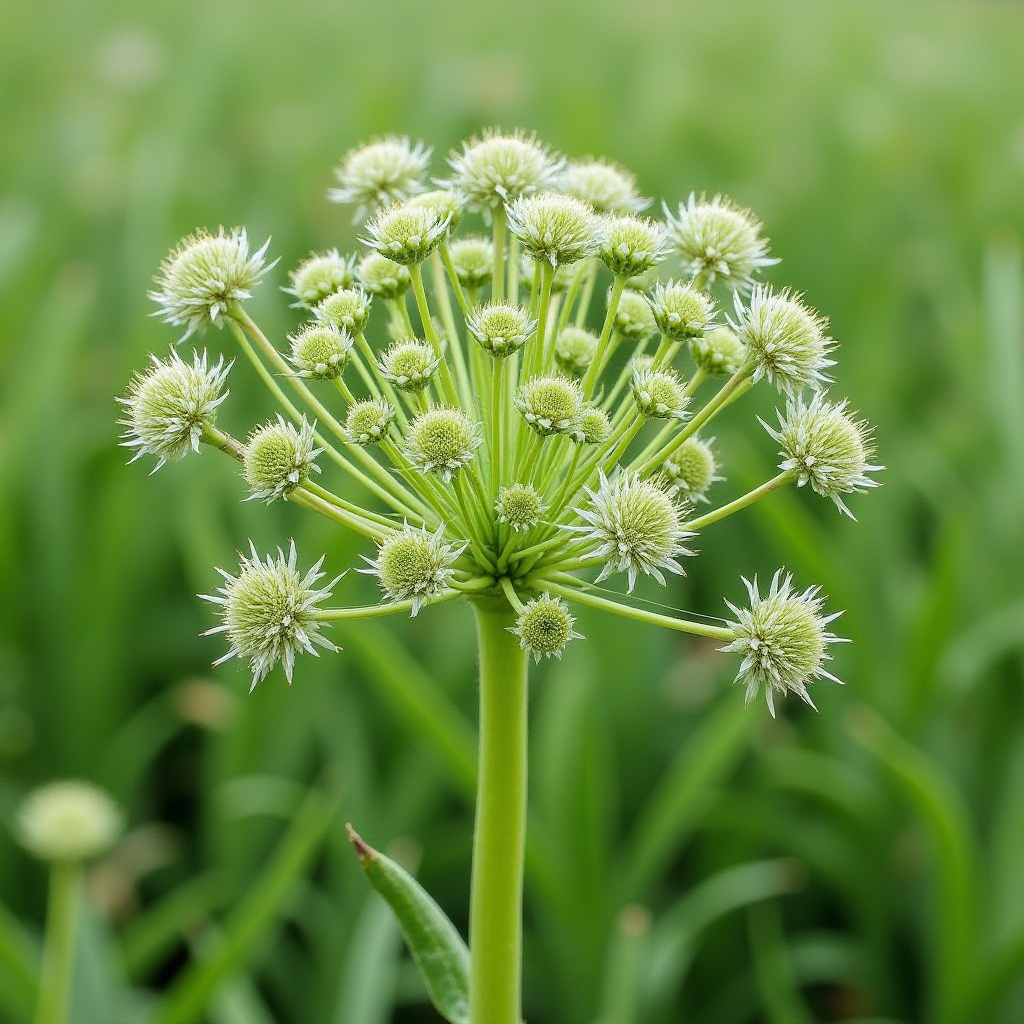
Fennel (Foeniculum vulgare) is a perennial flowering plant in the Apiaceae (carrot) family, native to the Mediterranean region but now cultivated worldwide. All parts of the plant—seeds, leaves, and bulb—are edible and medicinal, but the seeds are the most commonly used for tea. Fennel has a long history of use in traditional medicine, from ancient Egypt and Greece to Ayurveda and Traditional Chinese Medicine. The name “fennel” comes from the Latin foenum, meaning “hay,” referring to its hay-like scent.
The primary active compounds in fennel seeds include anethole (the same compound found in anise), estragole, fenchone, flavonoids (such as quercetin and rutin), phenolic acids, and volatile oils. These compounds work through several mechanisms: carminative action (relaxing the smooth muscle of the digestive tract, allowing trapped gas to pass), antispasmodic properties (reducing cramping and spasms), anti-inflammatory effects (reducing inflammation in the gut), antimicrobial activity (inhibiting certain bacteria and fungi), mild expectorant effects (loosening mucus), and galactagogue properties (promoting milk flow in breastfeeding mothers). When prepared as a tea, these compounds are extracted into the water, providing a gentle but effective remedy for digestive discomfort.
Fennel is considered one of the safest and most well-tolerated digestive herbs, suitable for children, pregnant and breastfeeding women (in moderation), and the elderly.
Key health benefits of fennel tea
Gas and bloating relief is the most well-known benefit of fennel tea. As a carminative, fennel helps relax the digestive tract, allowing trapped gas to pass more easily and reducing the uncomfortable sensation of bloating and pressure. It is particularly effective when consumed after heavy or gas-producing meals (beans, cruciferous vegetables, high-fibre foods). For many people, a cup of fennel tea provides noticeable relief within fifteen to thirty minutes.
Indigestion and digestive comfort are another major benefit. Fennel helps stimulate digestive secretions while also relaxing the digestive tract, making it useful for the kind of indigestion that involves both sluggish digestion and cramping. It can help relieve that heavy, uncomfortable feeling after a large meal.
Infant colic is a traditional use of fennel tea. Breastfeeding mothers who drink fennel tea pass the active compounds to their infant through breast milk, helping to relieve colic symptoms. Fennel seed oil is also used in gripe water for infants. (Always consult a paediatrician before giving any herbal remedy to an infant.)
Menstrual cramp relief comes from fennel’s antispasmodic properties. It helps relax the smooth muscle of the uterus, reducing the intensity of menstrual cramps. Some studies suggest that fennel can be as effective as certain over-the-counter pain relievers for period pain. Drinking fennel tea during menstruation may help ease discomfort.
Respiratory support is a lesser-known benefit of fennel tea. Its expectorant properties help loosen mucus, making it useful for mild coughs, bronchitis, and congestion. The warm, soothing quality of fennel tea can also help calm throat irritation.

Bad breath (halitosis) can be freshened by fennel tea. Chewing fennel seeds after meals is a traditional practice in India and the Mediterranean for freshening breath. Drinking fennel tea provides similar benefits, as the antimicrobial compounds help kill bacteria that cause bad breath.
Galactagogue effects (promoting breast milk production) are a traditional use of fennel. Breastfeeding mothers sometimes drink fennel tea to help increase milk supply. However, consult a healthcare provider before using fennel medicinally while breastfeeding.
Antioxidant protection helps protect cells from oxidative damage. The flavonoids and other compounds in fennel seeds have strong antioxidant properties.
How to prepare fennel tea
Fennel tea can be prepared from whole or crushed seeds. From whole seeds: Use one to two teaspoons of fennel seeds per cup of water. Gently crush the seeds to release their volatile oils (use a mortar and pestle or the back of a spoon). Pour freshly boiled water over the seeds and steep for 5–10 minutes. Longer steeping produces a stronger, more intense flavour. Strain well: Strain the tea through a fine mesh strainer or tea infuser to remove the seeds before drinking. Flavour: Fennel tea has a sweet, liquorice-like, slightly earthy and herbal flavour. It is naturally sweet and does not require added sweeteners. Blending: Fennel blends beautifully with other digestive herbs such as peppermint, chamomile, ginger, or cardamom. A blend of fennel and peppermint is excellent for gas and bloating. Cold preparation: Fennel tea can be brewed hot and then chilled for a refreshing iced beverage. It is also delicious as a cold brew.
“If you’d like to try the herbal teas mentioned in this article for yourself, we’ve curated a selection of high-quality, tested sources below. Every product we recommend has been chosen for purity and potency, or visit our online Herbal Tea Shop for even more choice”.
How to use fennel tea safely
Fennel tea is generally safe for most people when consumed in moderate amounts – one to three cups daily. However, several precautions apply.
Pregnancy and breastfeeding: Fennel is generally considered safe in culinary amounts (as a spice or occasional tea). However, medicinal doses (strong tea consumed regularly in large quantities) should be discussed with a healthcare provider. Some traditional sources suggest avoiding large amounts during pregnancy. Breastfeeding mothers should also consult a healthcare provider before regular use.
Allergies: Fennel is in the Apiaceae (carrot) family, which includes celery, parsley, dill, anise, and mugwort. Individuals with known allergies to these plants may also react to fennel.
Hormone-sensitive conditions: Fennel has mild estrogenic effects due to its anethole content. Those with hormone-sensitive conditions such as breast cancer, uterine cancer, or endometriosis should consult a healthcare provider before regular use.
Medication interactions: Fennel may interact with certain medications, including those metabolised by the liver (CYP450 system) and oestrogen medications. Consult your healthcare provider.
Children: Fennel tea is safe for children in appropriate doses. Use half the adult amount (one-half to one teaspoon per cup). It is often used for colic, gas, and digestive upset in children.
Essential oil warning: Fennel essential oil is highly concentrated and should never be ingested. Only use whole or crushed seeds for tea.
Recommended dosage
For digestive support (gas, bloating, indigestion), one cup of fennel tea after meals is typically sufficient. For menstrual cramps, one to two cups daily during menstruation. For respiratory symptoms, two to three cups daily during acute illness. Fennel is very safe and can be consumed daily as a preventive or as needed.
Limitations of fennel tea
Fennel tea is not a substitute for medical treatment, particularly for serious digestive disorders, severe menstrual cramps, or respiratory infections. Its effects are mild and work best as part of a broader approach to health. Claims that fennel “cures” colic, indigestion, or menstrual cramps are unsupported; it is best understood as a supportive tool for symptom relief.
FAQ
Does fennel tea help with bloating and gas / wind?
Yes. Fennel is a traditional carminative herb that helps relax the digestive tract, allowing trapped gas to pass and reducing bloating.
Is fennel tea safe during pregnancy?
Culinary amounts are generally considered safe, but medicinal doses (strong tea consumed regularly) should be avoided during pregnancy. Consult a healthcare provider before use.
What does fennel tea taste like?
Fennel tea has a sweet, liquorice-like, slightly earthy and herbal flavour. It is naturally sweet and does not usually require added sugar or honey.
Can fennel tea help with menstrual cramps?
Yes. Fennel has antispasmodic properties that help relax the uterine muscles, reducing the intensity of menstrual cramps. Some studies support this use.
Is fennel tea safe for babies (for colic)?
Fennel tea is sometimes given to older infants (over six months) in small amounts for colic, but always consult a paediatrician first. For breastfeeding mothers, drinking fennel tea passes the active compounds to the infant through breast milk and may help relieve colic.
Conclusion
Fennel tea is a sweet, gentle, and effective herbal remedy for digestive discomfort, particularly gas, bloating, and indigestion. Its carminative and antispasmodic properties help relax the digestive tract, relieve cramping, and allow trapped gas to pass. It also helps with menstrual cramps, mild respiratory congestion, and bad breath. The sweet, liquorice-like flavour is pleasant and naturally sweet, making it one of the most palatable medicinal teas. Used consistently after meals or during periods of digestive upset, fennel tea provides gentle, reliable relief for the whole family.
Recommended Products
“If you’d like to try the herbal teas mentioned in this article for yourself, we’ve curated a selection of high-quality, tested sources below. Every product we recommend has been chosen for purity and potency, or visit our online Herbal Tea Shop for even more choice”.
Fennel tea (loose leaf): https://amzn.to/4ssAbtF
Fennel tea bags: https://amzn.to/4bzOWU8
Peppermint tea (loose leaf): https://amzn.to/4lIQSyi (for blending)
Chamomile tea (loose leaf): https://amzn.to/3Pv6zgo (for blending)
Ginger tea (loose leaf): https://amzn.to/3PmSWQw (for blending)
Manuka Honey: https://amzn.to/47p7i9g
High-quality Garlic press: https://amzn.to/4sFBsxD
Tea infuser: https://amzn.to/4lAToGE
Glass teapot: https://amzn.to/4snGsGY
Storage boxes: https://amzn.to/47UQgQf
Assortment Box: https://amzn.to/3NFO9ZJ
Visit our online Herbal Tea Shop for more choice!
Do you read novels? Visit our bookshop to check out the ‘culturally grounded, Otherworldly narratives’ by Owen Jones.
Looking for a specific herbal tea? Browse the full A–Z list here:
Herbal Teas A-Z List
Get the Free Herbal Tea Shop Cheat Sheet
Further Reading
For a full evidence-based overview of herbal tea benefits, safety, and quality considerations, read our complete guide to Herbal Tea Benefits
1] For more on digestive health, see:
Herbal Teas to Aid Digestion
2] For gas and bloating specifically, see:
Herbal Tea for Gas Relief
3] For menstrual cramp relief, see:
Can Herbal Tea Help with Period Cramps?
4] For safety guidance on herbal teas, see:
Are Herbal Teas Safe?
5] For potential interactions with medications, see:
Herbal Tea and Medication
Visit our bookshop to check out the ‘culturally grounded, Otherworldly narratives’ by Owen Jones.
References
1] National Center for Complementary and Integrative Health (NCCIH) – Fennel
Provides evidence-based information on fennel safety and research.
2] European Medicines Agency – Fennel
Offers regulatory and safety assessments for fennel preparations.
3] National Health Service (NHS) – Bloating and Gas
Provides medical guidance on digestive symptoms and self-care.
4] Cleveland Clinic – Fennel Tea Benefits
Provides practical recommendations for fennel tea uses and benefits.