
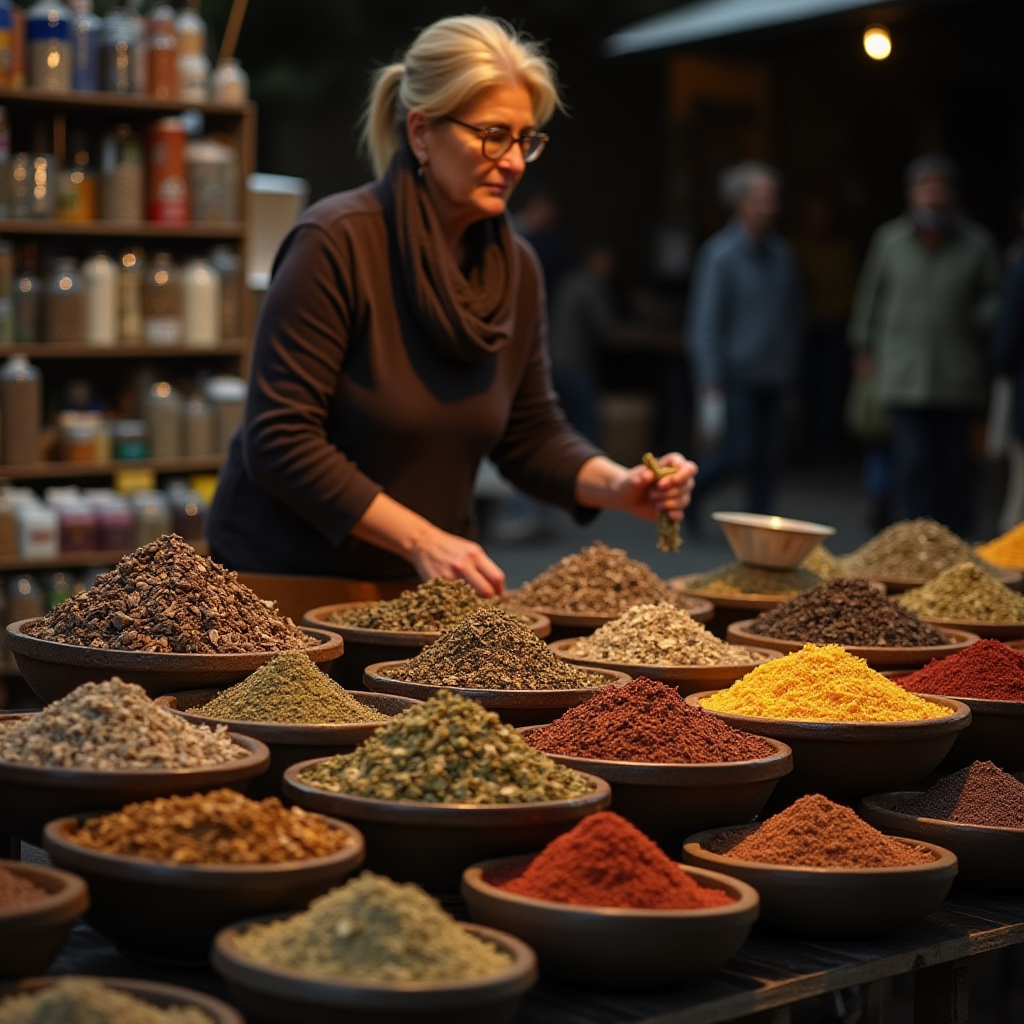


How the Top 10 herbal teas are ranked by evidence
The Top 10 herbal teas in this list are ranked by the strength and consistency of available evidence, not popularity or tradition alone. Human clinical studies, meta-analyses, and well-established biochemical mechanisms carry more weight than anecdotal use. Teas with clearer effects on measurable outcomes, such as blood pressure, lipid levels, sleep quality, or digestion, are placed higher. That said, most herbal teas offer modest support rather than dramatic changes, and results vary between individuals. This ranking is therefore practical rather than absolute, giving priority to options with the most reliable backing.
1. Hibiscus tea
Hibiscus tea ranks highly in the list of the top 10 herbal teas due to consistent evidence linking it to reductions in blood pressure and improvements in cholesterol markers. Several human studies suggest it may lower systolic and diastolic pressure, making it relevant for cardiovascular health. Its anthocyanins and antioxidants appear to support vascular function and reduce oxidative stress. While not a substitute for treatment, it offers one of the clearest measurable effects among herbal teas. Regular intake, combined with diet and lifestyle changes, may contribute to better heart health outcomes over time.
2. Green tea
Green tea is one of the most studied beverages globally, with evidence supporting its role in fat metabolism, cholesterol management, and antioxidant protection. Catechins, particularly EGCG, are linked to reduced LDL cholesterol and improved metabolic markers. It may also support weight management and cardiovascular health when consumed consistently. Although technically not an herbal tea, it is often included due to its strong evidence base. Its effects are generally mild but well documented, making it a reliable option for long-term use and earning it a high place in the list of top 10 herbal teas.
3. Ginger tea
Ginger tea has solid support for digestive health and emerging evidence for anti-inflammatory and metabolic effects. It may help reduce nausea, improve gastric emptying, and support circulation. Some studies suggest it can influence lipid levels and blood sugar, though results are less consistent than for teas ranked higher in the top 10 herbal teas. Its active compounds, such as gingerols, contribute to its physiological effects. It is widely used, generally safe, and offers practical benefits, especially for digestion and mild inflammation.
4. Peppermint tea
Peppermint tea is well supported for digestive relief, particularly for symptoms such as bloating and irritable bowel discomfort. Its menthol content can relax smooth muscle in the digestive tract, helping reduce spasms and discomfort. While its benefits are more symptom-focused than systemic, the evidence for gastrointestinal support is relatively strong. It is commonly used after meals and is considered safe for most people. Its clear mechanism and consistent results place it firmly in the upper half of the list of the top 10 herbal teas
5. Chamomile tea
Chamomile tea is widely associated with relaxation and sleep support, with moderate evidence suggesting it may improve sleep quality and reduce mild anxiety. Its flavonoids, particularly apigenin, interact with receptors in the brain linked to calming effects. While not a sedative, it can support better sleep when used regularly. It may also offer mild anti-inflammatory benefits. The evidence is not as strong as for cardiovascular teas, but it is consistent enough to justify its position in the list of the top 10 herbal teas.
6. Dandelion tea
Dandelion tea is traditionally used to support liver function and digestion, and early research suggests it may influence bile production and fluid balance. While high-quality human evidence is limited, its physiological rationale is plausible. It may also have mild diuretic effects, which can support temporary reductions in water retention. Its benefits are subtle and indirect but relevant to metabolic health. It is best viewed as supportive rather than corrective, but still deserves to be in the top 10 herbal teas.
7. Nettle tea
Nettle tea contains a range of vitamins, minerals, and bioactive compounds that may support general health and inflammation control. Some evidence suggests it may help with mild inflammatory conditions and seasonal allergies. It has also been studied for its potential effects on blood sugar and prostate health, though findings are mixed. Its broad nutritional profile makes it useful, but its effects are less targeted than teas ranked more highly in the list of the top 10 herbal teas.
8. Lemon balm tea
Lemon balm tea is associated with mild calming effects and may help reduce stress and support sleep. Some studies indicate it can improve mood and cognitive function under stress. Its effects are generally gentle and more noticeable with regular use. While not as potent as other options, it is well tolerated and suitable for daily consumption. It fits best as part of a routine aimed at relaxation and mental balance, and so fits in the list of the top 10 herbal teas.
9. Rooibos tea
Rooibos tea is rich in antioxidants and is often promoted for cardiovascular and metabolic health. Some research suggests it may support blood pressure and lipid balance, though evidence is still developing. It is naturally caffeine-free and suitable for regular consumption. While its effects are less clearly defined, its safety and antioxidant content make it a useful addition to a balanced routine. Perhaps, if it were more well know, Rooibos would rank more highly in the list of the top 10 herbal teas.
10. Valerian root tea
Valerian root tea is commonly used for sleep support, with some evidence indicating it may improve sleep latency and quality. However, results are inconsistent, and its effects vary significantly between individuals. It is stronger than most herbal teas and may cause drowsiness. Due to variability in response and limited high-quality evidence, it ranks lower in the list of the top 10 herbal teas. despite its specific use case. It is best used occasionally rather than as a daily habit.
FAQ
What is the most effective herbal tea overall?
Hibiscus tea is often considered one of the most effective due to consistent evidence supporting its impact on blood pressure and cardiovascular markers.
Are herbal teas scientifically proven?
Some herbal teas have moderate to strong evidence, particularly for specific outcomes like digestion or blood pressure. However, most effects are modest rather than dramatic. Pharmaceutical companies have little incentive in proving that cheap herbs can be effective.
How often should you drink herbal tea?
Two to three cups daily is a common guideline. Consistency over time is more important than occasional use.
Can herbal tea replace medication?
No, herbal tea should not replace prescribed treatment. It may provide supportive benefits but should be used alongside medical advice even if it ranks highly in the list of the top 10 herbal teas.
Is it safe to mix different herbal teas?
In most cases, yes. Rotating or combining teas can provide a broader range of compounds, but it is wise to avoid excessive intake of any single herb.
Conclusion
The top 10 herbal teas listed here are ranked by evidence rather than popularity, highlighting options with the most consistent support for health benefits. While none offer a quick fix, several can contribute meaningfully to long-term wellbeing when used regularly. Choosing teas with clearer mechanisms and realistic outcomes is more effective than chasing trends. As always, those teas in the list of the top 10 herbal teas works best as part of a balanced lifestyle rather than a standalone solution.
Recommended Products
High-quality Hibiscus tea (loose leaf): https://amzn.to/4bzVBOd
Hibiscus tea bags: https://amzn.to/40IUXZB
Green Tea (loose leaf): https://amzn.to/4lV0bLO
Green Tea bags: https://amzn.to/4sx5CmB
Ginger tea (loose leaf): https://amzn.to/3PmSWQw
Ginger tea bags: https://amzn.to/4szy0Ve
Rooibos (loose leaf): https://amzn.to/4sAltAK
High-quality Garlic press: https://amzn.to/4sFBsxD
Tea infuser: https://amzn.to/4lAToGE
Glass teapot: https://amzn.to/4snGsGY
Storage boxes: https://amzn.to/47UQgQf
Assortment Box: https://amzn.to/3NFO9ZJ
Further Reading
For a full evidence-based overview of herbal tea benefits, safety, and quality considerations, read our complete guide to Herbal Tea Benefits.
1] Herbal Teas for Cardiovascular Support
2] Herbal Teas for Gut Health
3] How to Choose Quality Herbal Tea
4] Herbal Tea for Diabetes
Visit our bookshop to check out the ‘culturally grounded, Otherworldly narratives’ by Owen Jones.
Looking for a specific herbal tea? Browse the full A–Z list here:
Herbal Teas A-Z List
Get the Free Herbal Tea Shop Cheat Sheet