

The South American herb for energy, focus, and weight management
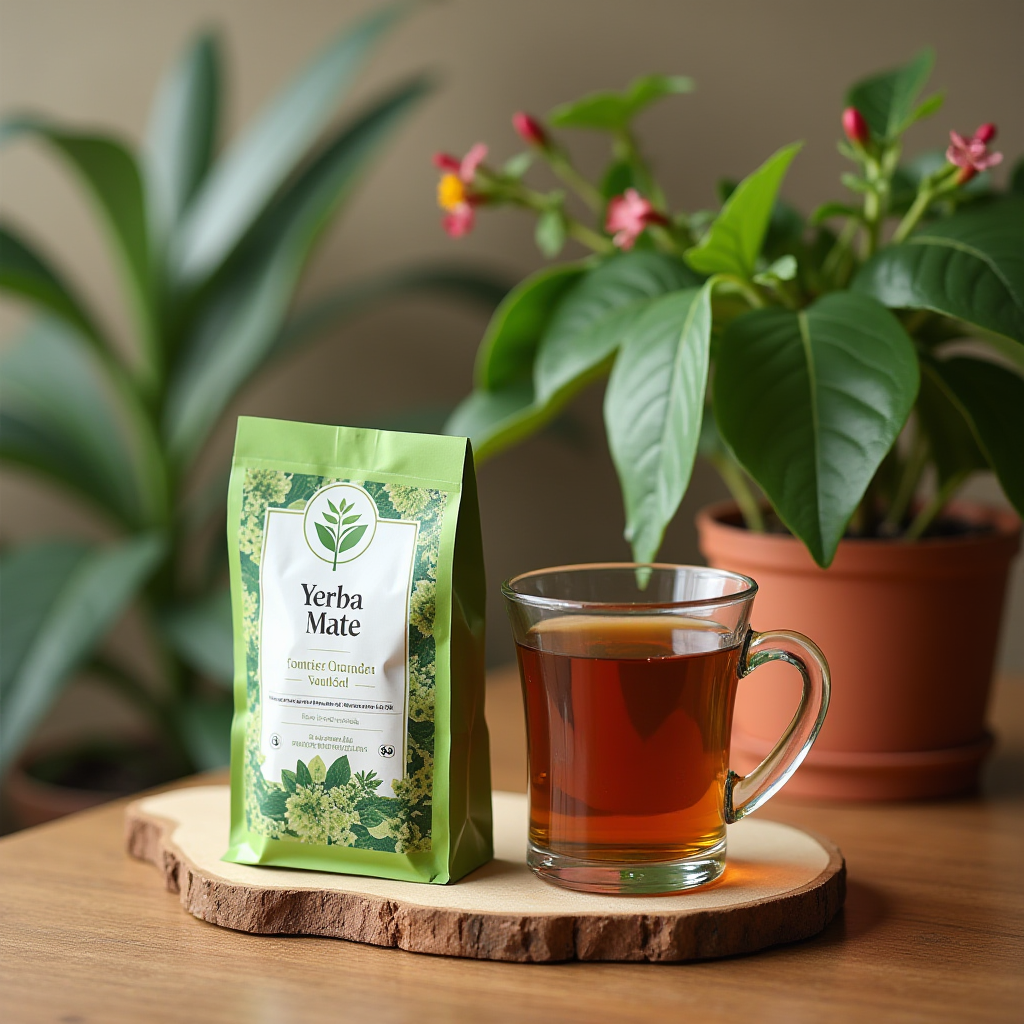
Yerba mate tea, made from the dried leaves and twigs of the Ilex paraguariensis plant, is a traditional South American beverage with a unique combination of stimulating and nourishing properties. For centuries, indigenous peoples of Paraguay, Argentina, Brazil, and Uruguay have drunk yerba mate as a social and medicinal beverage, often shared from a gourd through a metal straw called a bombilla. Yerba mate is sometimes called “the drink of the gods” or “green gold.” Unlike coffee, which can cause jitters and anxiety, yerba mate provides a smooth, sustained energy lift without the crash. It contains caffeine, but also theobromine (also found in chocolate) and theophylline (found in tea), which work synergistically to produce a unique, balanced stimulation. Yerba mate is particularly valued for its ability to boost energy, enhance mental focus, suppress appetite, support weight management, and provide powerful antioxidant protection. For those seeking a natural alternative to coffee or a functional beverage for weight management, yerba mate tea is an excellent choice.
If you’d like to try these teas for yourself, we’ve curated a selection of high-quality, tested sources below. Every product we recommend has been chosen for purity and potency, or visit our online Herbal Tea Shop for even more choice.
Looking for a specific herbal tea? Browse the full A–Z list here:
Herbal Teas A-Z List
Get the Free Herbal Tea Shop Cheat Sheet
What yerba mate tea is and how it works
Yerba mate (Ilex paraguariensis) is a species of holly native to the subtropical forests of South America. The leaves and twigs are harvested, dried, often smoked or heat-treated, and then aged to develop their characteristic flavour. The resulting dried product is called yerba mate. Traditionally, it is brewed in a hollow gourd (also called a mate) and drunk through a bombilla (a metal straw with a filter at the bottom). The drink is often shared among friends and family, making it a social ritual as much as a beverage.
The primary active compounds in yerba mate include caffeine, theobromine (also found in chocolate), theophylline (also found in tea), saponins, chlorogenic acid, flavonoids (such as quercetin and rutin), and polyphenols. These compounds work through several mechanisms: CNS stimulation (improving alertness, focus, and energy), thermogenic effects (increasing energy expenditure), appetite suppression (slowing gastric emptying and increasing satiety), antioxidant activity (protecting cells from oxidative damage), anti-inflammatory effects (reducing inflammation), lipolytic effects (helping the body break down fat), and cardioprotective properties (supporting heart health). When prepared as a tea, these compounds are extracted into the water, providing a unique and balanced stimulation.
Unlike coffee, which can cause a sharp spike in energy followed by a crash, yerba mate tea provides a smoother, more sustained energy lift. This is due to the synergistic combination of caffeine, theobromine, and theophylline, which modulate the effects of caffeine.
Key health benefits of yerba mate tea
Energy and mental focus is the most well-known benefit of yerba mate tea. The caffeine content (comparable to coffee) improves alertness, concentration, and reaction time. The theobromine adds a mild mood-enhancing effect, while the theophylline provides mild respiratory and circulatory support. Users often report that yerba mate provides “clear, focused energy” without the jitters, anxiety, or crash associated with coffee.
Weight management support is another major benefit. Yerba mate has been shown to increase energy expenditure (thermogenesis) and enhance fat oxidation (lipolysis). Some studies suggest that yerba mate may also suppress appetite by slowing gastric emptying, helping you feel fuller for longer. For those seeking natural support for weight management, yerba mate is an excellent choice. It is often included in weight loss supplements for this reason.
Appetite suppression is a related benefit. Yerba mate has been shown to slow the rate at which the stomach empties, which can help reduce hunger and prolong feelings of fullness. Drinking yerba mate between meals may help reduce snacking and overall calorie intake.
Antioxidant protection is exceptionally high in yerba mate tea. Some studies rank yerba mate’s antioxidant content higher than green tea. The chlorogenic acid and other polyphenols help protect cells from oxidative damage, supporting overall health and reducing the risk of chronic diseases.
Heart health support may be provided by regular yerba mate consumption. Some studies suggest that yerba mate can help lower LDL (“bad”) cholesterol and improve HDL (“good”) cholesterol. It may also help improve blood pressure and blood vessel function.
Digestive support is a traditional use of yerba mate. It has mild laxative and diuretic properties and can help relieve constipation. The saponins in yerba mate may also have anti-inflammatory effects on the digestive tract.
Immune support may be provided by the antioxidant and anti-inflammatory compounds in yerba mate tea. Some research suggests that yerba mate can inhibit the growth of certain bacteria and fungi, including E. coli and Candida.
How to prepare yerba mate tea
Yerba mate can be prepared traditionally in a gourd or simply as a tea. Traditional method: Fill a mate gourd about two-thirds full with yerba mate leaves. Cover the gourd with your hand, turn it upside down, and shake to settle the fine particles. Tilt the gourd so the leaves rest on one side. Pour cool water into the empty space to wet the leaves, then insert the bombilla. Pour hot (but not boiling) water (70–80°C / 160–180°F) into the gourd and drink through the bombilla. Refill with hot water as needed. Tea bag method: Steep one tea bag in freshly boiled water for 3–5 minutes. Loose leaf method: Use one to two teaspoons of loose yerba mate per cup of water. Pour freshly boiled water (cooled slightly) over the leaves and steep for 3–5 minutes. Strain before drinking. Flavour: Yerba mate has an earthy, vegetal, slightly smoky, and bitter flavour with notes of grass, hay, and sometimes tobacco. It is an acquired taste. Blending: Yerba mate blends well with mint, citrus peel, or other herbs to improve palatability. It is also commonly drunk with sugar or honey. Sweetening: Many traditional drinkers add sugar or honey to balance the bitterness.
How to use yerba mate tea safely
Yerba mate tea is generally safe for most people when consumed in moderate amounts—one to three cups daily. However, several precautions apply.
Caffeine sensitivity: Yerba mate contains caffeine (approximately 80 mg per cup, comparable to coffee). Those sensitive to caffeine may experience jitters, anxiety, rapid heartbeat, or insomnia. Start with a small amount and avoid drinking yerba mate late in the day.
Pregnancy and breastfeeding: Yerba mate contains caffeine. Moderate consumption (one to two cups daily) is generally considered safe during pregnancy, but excessive caffeine intake is associated with increased risk of miscarriage. Pregnant women should limit total caffeine intake to under 200mg daily. Breastfeeding women should also moderate intake, as caffeine passes into breast milk.
Cancer risk: Some studies have linked very high, long-term consumption of very hot yerba mate (traditionally drunk at very high temperatures) to increased risk of oesophageal, oral, and lung cancer. This risk is associated with the temperature (very hot liquid), not the herb itself, and with very high consumption levels (1–2 litres daily for many years). Drinking yerba mate at moderate temperatures in normal amounts is not associated with increased cancer risk.
Medication interactions: Yerba mate may interact with certain medications, including stimulants, blood pressure medications, diabetes medications, and MAOIs. Consult your healthcare provider.
Iron absorption: Yerba mate tea contains tannins that can inhibit iron absorption. Those with iron deficiency should drink yerba mate between meals rather than with iron-rich foods.
Anxiety disorders: The caffeine in yerba mate may worsen anxiety symptoms in sensitive individuals.
Children: Yerba mate should be limited in children due to its caffeine content.
If you’d like to try Yerba Mate tea for yourself, we’ve curated a selection of high-quality, tested sources below. Every product we recommend has been chosen for purity and potency.
Recommended dosage
For general energy and focus, one to two cups of yerba mate daily is sufficient. For weight management support, two to three cups daily may be consumed, ideally before meals or exercise. Do not exceed three to four cups daily unless you are accustomed to caffeine.
Limitations of yerba mate tea
Yerba mate tea is not a substitute for medical treatment, particularly for obesity, anxiety disorders, or heart disease. Its effects are modest and work best as part of a broader approach that includes a balanced diet, regular exercise, and appropriate medical care. Claims that yerba mate “melts fat” or “cures” chronic diseases are unsupported; it is best understood as a supportive tool for energy, focus, and weight management.
FAQ
Is yerba mate good for weight loss?
Yes. Yerba mate has been shown to increase energy expenditure and fat oxidation and may suppress appetite. It is a popular ingredient in weight loss supplements.
Does yerba mate have caffeine?
Yes. Yerba mate contains caffeine, approximately 80 mg per cup, comparable to coffee. It also contains theobromine and theophylline, which modulate the effects of caffeine.
Is yerba mate healthier than coffee?
Yerba mate provides a smoother, more sustained energy lift than coffee and has higher antioxidant content. However, both have benefits. Yerba mate may be preferable for those who experience jitters or anxiety from coffee.
What does yerba mate taste like?
Yerba mate has an earthy, vegetal, slightly smoky, and bitter flavour. It is an acquired taste but can be blended with mint or citrus to improve palatability.
Does yerba mate cause cancer?
Some studies have linked very high, long-term consumption of very hot yerba mate to increased cancer risk. This risk is associated with the temperature (very hot liquid), not the herb itself, and with very high consumption levels. Drinking yerba mate at moderate temperatures in normal amounts is not associated with increased cancer risk.
Conclusion
Yerba mate tea is a unique South American beverage that offers a smooth, sustained energy lift without the jitters or crash of coffee. Its ability to increase energy expenditure, enhance fat oxidation, and suppress appetite makes it valuable for weight management. Its high antioxidant content supports overall health. Its complex, earthy flavour is an acquired taste, but for those seeking a functional beverage for energy, focus, and weight management, yerba mate is an excellent choice.
Recommended Products
If you’d like to try these teas for yourself, we’ve curated a selection of high-quality, tested sources below. Every product we recommend has been chosen for purity and potency, or visit our online Herbal Tea Shop for even more choice.
Yerba mate tea (loose leaf): https://amzn.to/4mKrI2B
Yerba mate tea bags: https://amzn.to/4tss28L
Green tea (loose leaf): https://amzn.to/4lV0bLO
Manuka Honey: https://amzn.to/47p7i9g
High-quality Garlic press: https://amzn.to/4sFBsxD
Tea infuser: https://amzn.to/4lAToGE
Glass teapot: https://amzn.to/4snGsGY
Storage boxes: https://amzn.to/47UQgQf
Assortment Box: https://amzn.to/3NFO9ZJ
Visit our online Herbal Tea Shop for more choice!
Do you read novels? Visit our bookshop to check out the ‘culturally grounded, Otherworldly narratives’ by Owen Jones.
Looking for a specific herbal tea? Browse the full A–Z list here:
Herbal Teas A-Z List
Get the Free Herbal Tea Shop Cheat Sheet
Further Reading
For a full evidence-based overview of herbal tea benefits, safety, and quality considerations, read our complete guide to Herbal Tea Benefits
1] For more on weight management, see:
Herbal Tea for Weight Loss
2] For metabolism boosting, see:
Herbal Teas for Boosting Metabolism
3] For appetite suppression, see:
Herbal Teas for Suppressing Appetite
4] For safety guidance on caffeinated teas, see:
Are Herbal Teas Safe?
5] For potential interactions with medications, see:
Herbal Tea and Medication
Visit our bookshop to check out the ‘culturally grounded, Otherworldly narratives’ by Owen Jones.
References
1] National Center for Complementary and Integrative Health (NCCIH) – Yerba Mate
Provides evidence-based information on yerba mate safety and research.
2] National Institutes of Health (NIH) – Yerba Mate and Weight Management
Peer-reviewed study on yerba mate’s effects on metabolism and appetite.
3] Cleveland Clinic – Yerba Mate Tea Benefits
Provides practical recommendations for yerba mate uses and benefits.
4] Mayo Clinic – Caffeine Content
Provides information on caffeine content of various beverages.