


The deep-cleaning herb for skin, liver, and lymphatic health
Burdock root tea, made from the taproot of the Arctium lappa plant, is a traditional herbal remedy renowned for its ability to “purify the blood” and support skin health. This unassuming plant, often seen growing wild in disturbed soils with its large leaves and sticky burrs that cling to clothing, is a powerful medicinal herb with a long history of use in European, Asian, and Native American traditional medicine. Burdock root is particularly valued for its ability to support liver function, promote lymphatic drainage, reduce inflammation, and clear chronic skin conditions such as acne, eczema, and psoriasis. It is a classic “alterative” herb – meaning it gradually restores the body’s normal functions and helps eliminate waste products. Burdock root tea has an earthy, slightly sweet, and mildly bitter flavour that is pleasant on its own or blended with other herbs. For those seeking deep, long-term support for skin health, liver function, or detoxification, burdock root tea is an excellent choice.
If you’d like to try these teas for yourself, we’ve curated a selection of high-quality, tested sources below. Every product we recommend has been chosen for purity and potency, or visit our online Herbal Tea Shop for even more choice.
Looking for a specific herbal tea? Browse the full A–Z list here:
Herbal Teas A-Z List
Get the Free Herbal Tea Shop Cheat Sheet
What burdock root tea is and how it works
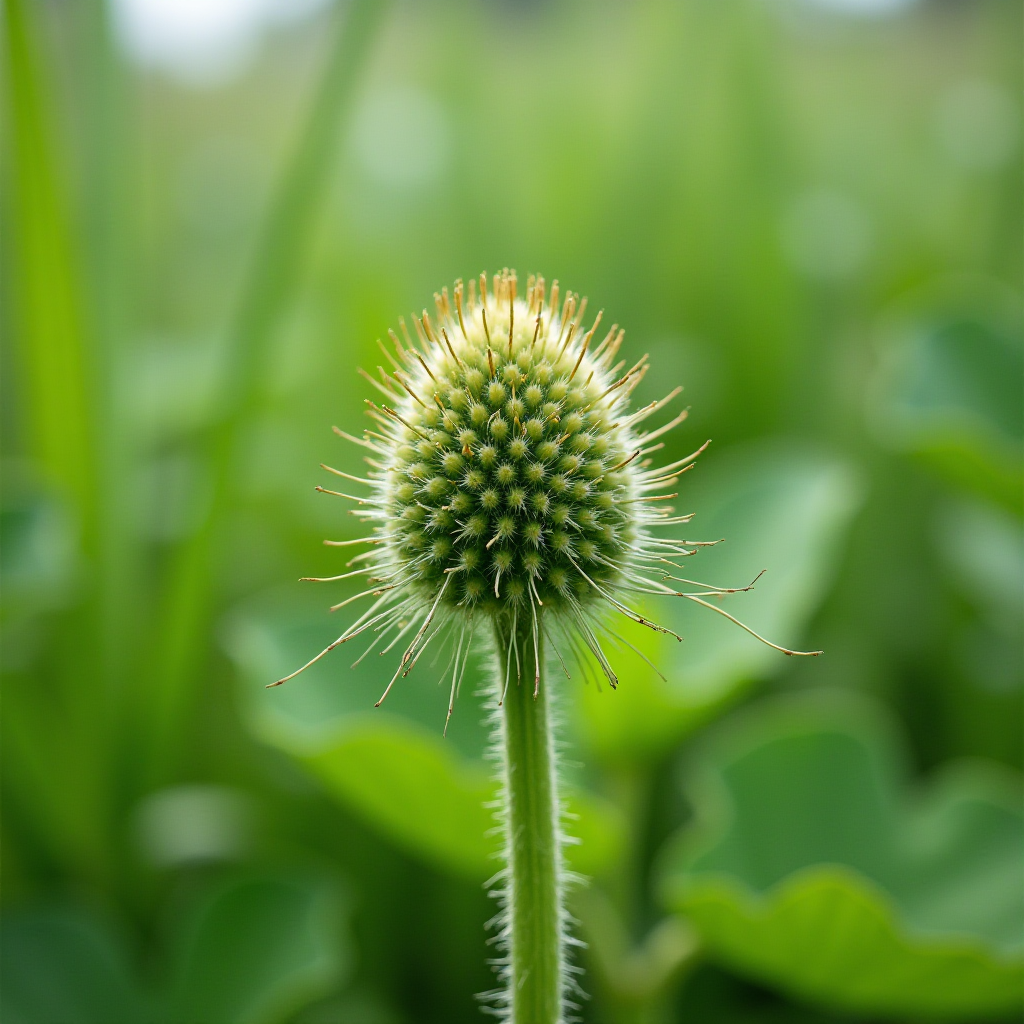
Burdock (Arctium lappa) is a biennial plant in the Asteraceae (daisy) family, native to Europe and Asia but now naturalised throughout North America. The plant is easily recognised by its large, broad leaves and the round, spiny burrs that stick to clothing and animal fur (these burrs inspired the invention of Velcro). The taproot, which is harvested in the autumn of the first year or spring of the second year, is the primary medicinal part, though the leaves and seeds are also used. Burdock has been used medicinally for centuries in European, Traditional Chinese Medicine (where it is known as niubang), and Native American herbalism.
The primary active compounds in burdock root include polysaccharides (including inulin and mucilage), polyacetylenes, phenolic acids (such as chlorogenic acid and caffeic acid), lignans (such as arctigenin and arctiin), flavonoids (such as quercetin and luteolin), tannins, and volatile oils. The root is also rich in minerals, including potassium, calcium, magnesium, iron, and zinc. These compounds work through several mechanisms: alterative action (gradually restoring normal bodily functions and promoting elimination of waste), hepatoprotective effects (supporting liver function and protecting liver cells), lymphatic support (promoting lymphatic drainage and reducing congestion), anti-inflammatory properties (reducing inflammation throughout the body), antioxidant activity (protecting cells from oxidative damage), prebiotic effects (inulin feeds beneficial gut bacteria), antimicrobial activity (fighting certain bacteria and fungi), and mild diuretic effects (increasing urine output). When prepared as a tea, these compounds are extracted into the water, providing a gentle but effective way to support deep, systemic healing.
Burdock root is considered a “slow” herb – its effects are gradual and cumulative, working best over weeks or months of consistent use rather than providing immediate relief.
Key health benefits of burdock root tea
Skin health is the most well-known benefit of burdock root tea. It is a classic remedy for chronic skin conditions such as acne, eczema, psoriasis, and dermatitis. The root’s anti-inflammatory, alterative, and liver-supporting properties help reduce skin inflammation, eliminate waste products that can contribute to skin congestion, and promote healing from within. Unlike topical treatments that address surface symptoms, burdock root works systemically to address underlying causes. For best results, drink burdock root tea consistently for at least four to eight weeks.
Liver support and detoxification is another major benefit. The liver is the body’s primary detoxification organ, and burdock root helps it function more efficiently. The root’s hepatoprotective properties help protect liver cells from damage, while its alterative action helps the body eliminate waste products through various channels. Burdock root is often used in combination with other liver-supporting herbs such as dandelion root and milk thistle.
Lymphatic system support is a traditional use of burdock root. The lymphatic system is responsible for removing waste products, toxins, and cellular debris from the body. When lymphatic flow becomes sluggish, it can contribute to swelling, congestion, and skin problems. Burdock root helps promote lymphatic drainage and reduce lymph node swelling, making it useful for conditions involving lymphatic congestion.
Digestive support comes from the inulin content in burdock root. Inulin is a prebiotic fibre that feeds beneficial gut bacteria, promoting a healthy microbiome. This can improve digestion, reduce bloating, and support overall gut health. The mucilage content also helps soothe the digestive tract.
Joint health and arthritis may benefit from burdock root’s anti-inflammatory properties. It has been traditionally used for rheumatism, gout, and arthritis. While evidence is limited, burdock root may help reduce joint pain and inflammation when used consistently.
Antioxidant protection helps protect cells from oxidative damage. The phenolic acids and flavonoids in burdock root have strong antioxidant properties that support overall health and may reduce the risk of chronic diseases.
Blood sugar regulation may be supported by burdock root. Some studies suggest that the inulin and other compounds in burdock root can help improve insulin sensitivity and lower blood glucose levels, though more research is needed.
These and other aches and pains tend to come with ageing. Many people keep Burdock Root tea on hand for this — you can check available loose leaf & tea bags here → Burdock Root tea
How to prepare burdock root tea
Burdock root tea requires a decoction method to extract the active compounds effectively. Decoction method: Use one to two teaspoons of dried burdock root pieces per cup of water. Place the root pieces in a saucepan with cold water. Bring to a boil, then reduce heat and simmer for 10–15 minutes. Strain and serve. This method extracts more of the beneficial compounds than simple steeping. From powder: Use one-quarter to one-half teaspoon of burdock root powder per cup of water. Simmer for 5–10 minutes, then strain through a fine mesh strainer or coffee filter to remove sediment. Flavour: Burdock root tea has an earthy, slightly sweet, mildly bitter, and somewhat woody flavour. It is pleasant and not overpowering. Blending: Burdock root blends well with other alterative and liver-supporting herbs. Classic combinations include burdock root with dandelion root, nettle, red clover, or yellow dock. A blend of burdock and dandelion is a traditional “blood purifying” combination. Sweetening: Honey can be added to balance the mild bitterness.
How to use burdock root tea safely
Burdock root tea is generally safe for most people when consumed in moderate amounts – one to three cups daily. However, several precautions apply.
Pregnancy and breastfeeding: Burdock root should be avoided during pregnancy as it may stimulate uterine contractions. Some traditional sources also recommend avoiding it during breastfeeding due to limited safety data.
Dehydration: Burdock root has mild diuretic effects. Those taking other diuretics or who are prone to dehydration should monitor their fluid intake.
Diabetes medications: Burdock root may lower blood sugar. If you take diabetes medications or insulin, monitor your blood sugar closely when adding burdock root to your routine.
Blood thinners: Burdock root may have mild blood-thinning properties. If you take warfarin, aspirin, or other anticoagulants, consult your healthcare provider before regular use.
Allergies: Burdock root is in the Asteraceae (daisy) family, which includes ragweed, chrysanthemums, marigolds, and echinacea. Individuals with known allergies to these plants may react to burdock root. If you have a ragweed allergy, use with caution.
Surgery: Burdock root may affect blood sugar and blood pressure. It is generally recommended to discontinue use at least two weeks before scheduled surgery.
Children: Burdock root tea is generally safe for children in appropriate doses. Use half the adult amount (one-half to one teaspoon per cup). Consult a healthcare provider for young children.
Recommended dosage
For chronic skin conditions, two to three cups of burdock root tea daily is recommended. For liver support or general wellness, one to two cups daily is sufficient. Because burdock root is a “slow” herb, benefits typically become noticeable after four to eight weeks of consistent daily use. It is safe for long-term daily use.
Limitations of burdock root tea
Burdock root tea is not a substitute for medical treatment, particularly for serious skin conditions, liver disease, or arthritis. Its effects are mild and work best as part of a broader approach that includes a healthy diet, adequate hydration, and appropriate medical care when needed. Claims that burdock root “cures” cancer or completely clears severe skin conditions are unsupported; it is best understood as a supportive tool for deep, systemic healing.
FAQ
Is burdock root tea good for acne?
Yes. Burdock root is a classic remedy for chronic acne, particularly when related to poor digestion, liver congestion, or hormonal imbalances. It works best when used consistently over several weeks.
Does burdock root tea help with eczema?
Yes. Burdock root has anti-inflammatory and alterative properties that can help calm eczema and reduce the frequency and severity of flare-ups.
Is burdock root tea safe during pregnancy?
No. Burdock root should be avoided during pregnancy as it may stimulate uterine contractions. Consult your healthcare provider.
What does burdock root tea taste like?
Burdock root tea has an earthy, slightly sweet, mildly bitter, and somewhat woody flavour. It is pleasant and not overpowering. Blending with dandelion root or adding honey improves the flavour.
How long does it take for burdock root tea to work?
Burdock root is a “slow” herb. For chronic skin conditions, benefits typically become noticeable after four to eight weeks of consistent daily use.
Conclusion
Burdock root tea is a deep-acting, slow-working herbal remedy for skin health, liver support, and lymphatic drainage. Its alterative, anti-inflammatory, and hepatoprotective properties make it particularly valuable for chronic skin conditions such as acne, eczema, and psoriasis. It also supports liver function, promotes lymphatic flow, and provides prebiotic fibre for gut health. The earthy, slightly sweet flavour is pleasant on its own or blended with other herbs. Used consistently over weeks or months, burdock root tea can help restore the body’s natural balance and promote clear, healthy skin from within.
Recommended Products
If you’d like to try these teas for yourself, we’ve curated a selection of high-quality, tested sources below. Every product we recommend has been chosen for purity and potency, or visit our online Herbal Tea Shop for even more choice.
Burdock root tea (loose leaf): https://amzn.to/3OQqI0v
Burdock root tea bags: https://amzn.to/4cBRBxd
Dandelion tea (loose leaf): https://amzn.to/4bFTPep (for blending)
Nettle tea (loose leaf): https://amzn.to/4bHUsnA (for blending)
Red clover tea (loose leaf): https://amzn.to/4rJZnud (for blending)
Manuka Honey: https://amzn.to/47p7i9g
High-quality Garlic press: https://amzn.to/4sFBsxD
Tea infuser: https://amzn.to/4lAToGE
Glass teapot: https://amzn.to/4snGsGY
Storage boxes: https://amzn.to/47UQgQf
Assortment Box: https://amzn.to/3NFO9ZJ
Visit our online Herbal Tea Shop for more choice!
Do you read novels? Visit our bookshop to check out the ‘culturally grounded, Otherworldly narratives’ by Owen Jones.
Looking for a specific herbal tea? Browse the full A–Z list here:
Herbal Teas A-Z List
Get the Free Herbal Tea Shop Cheat Sheet
Further Reading
For a full evidence-based overview of herbal tea benefits, safety, and quality considerations, read our complete guide to Herbal Tea Benefits
1] For more on skin inflammation, see:
Skin Inflammation
2] For liver support, see:
Dandelion Root Tea
3] For alterative herbs, see:
Red Clover Tea
4] For safety guidance on herbal teas, see:
Are Herbal Teas Safe?
5] For potential interactions with medications, see:
Herbal Tea and Medication
Visit our bookshop to check out the ‘culturally grounded, Otherworldly narratives’ by Owen Jones.
References
1] National Center for Complementary and Integrative Health (NCCIH) – Burdock
Provides evidence-based information on burdock root safety and research.
2] European Medicines Agency – Burdock Root
Offers regulatory and safety assessments for burdock root preparations.
3] National Health Service (NHS) – Eczema
Provides medical guidance on eczema symptoms and treatment.
4] Mount Sinai – Burdock Root
Provides traditional and clinical information on burdock root uses.