

Natural approaches to managing uric acid and joint pain
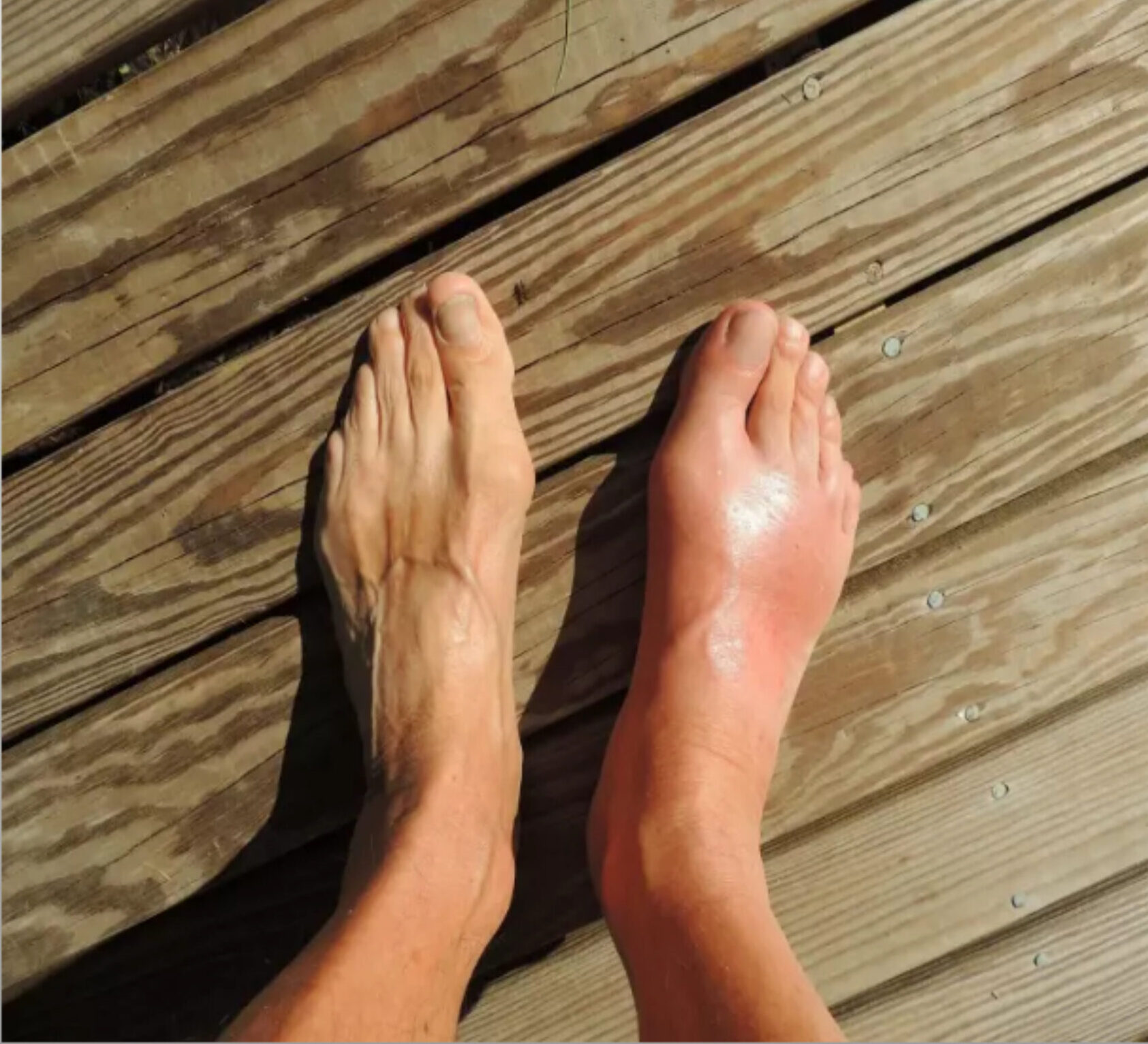
Gout is one of the most painful forms of arthritis. It strikes suddenly, often at night, with intense pain, swelling, redness, and heat in the affected joint – most commonly the big toe. Gout is caused by hyperuricaemia, a condition in which there is too much uric acid in the blood. When uric acid levels become excessively high, it forms sharp, needle-like crystals that deposit in the joints, triggering an intense inflammatory response. The pain of a gout flare has been described as feeling like broken glass grinding inside the joint. While conventional medicine does treat gout effectively in both the short and long term, many people seek natural approaches to complement their treatment. The question “Can Herbal Tea Help with Gout?” is best answered with a comprehensive strategy: dietary changes to reduce uric acid production, lifestyle modifications to improve excretion, and herbal remedies to reduce inflammation and support kidney function. Herbal teas can play a valuable supportive role, but they work best as part of a broader approach to help with gout.
Click the link for a complete, evidence-based guide to the best herbal teas for inflammation, including specific herbs and use cases.
If you’d like to try the herbal teas mentioned in this article for yourself, we’ve curated a selection of high-quality, tested sources below. Every product we recommend has been chosen for purity and potency, or visit our online Herbal Tea Shop for even more choice.
What causes gout and how can it be helped?
Gout occurs when uric acid builds up in the blood faster than the kidneys can excrete it. Uric acid is a normal waste product formed when the body breaks down purines – substances found naturally in the body and in certain foods. When uric acid levels become too high, crystals form in the joints, triggering inflammation. This is when intervention becomes necessary to provide help with gout.
Several factors contribute to hyperuricaemia. Diet is a major factor: purine-rich foods such as red meat, organ meats (liver, kidney), shellfish, and certain fish (anchovies, sardines) increase uric acid production. Alcohol, particularly beer, increases uric acid levels both by increasing production and reducing excretion. Fructose-sweetened beverages also raise uric acid. Dehydration concentrates uric acid in the blood. Genetics play a role, as do certain medications (diuretics, low-dose aspirin), obesity, and conditions such as kidney disease, hypertension, and diabetes.
The most effective way to help with gout involves three strategies: managing acute flares with anti-inflammatory medications or natural remedies, lowering uric acid levels long-term to prevent future flares, and addressing lifestyle factors that contribute to hyperuricaemia.
Herbal teas that can help with gout
Celery Seed tea is one of the most effective herbal teas for gout. Celery seed contains compounds that help the kidneys excrete more uric acid, reducing blood levels. It also has anti-inflammatory properties that can help calm acute flares. For chronic gout prevention, one to two cups of celery seed tea daily may help keep uric acid levels under control. During an acute flare, drink two or three cups daily to help with gout by reducing its severity and duration. Celery seed tea has a bitter, earthy, slightly salty flavour and is often blended with peppermint or fennel.
Nettle tea has mild diuretic and anti-inflammatory properties. By increasing urine output, it helps flush uric acid from the body to provide help with gout naturally. Nettle also contains compounds that may reduce the inflammation of an acute gout flare. Unlike pharmaceutical diuretics that can increase uric acid levels, nettle is safe for gout. Nettle tea has a mild, earthy, slightly grassy flavour and can be consumed daily as a preventive measure.
Turmeric tea is a powerful anti-inflammatory that can help calm the intense inflammation of a gout flare. Its active compound, curcumin, inhibits multiple inflammatory pathways, reducing pain and swelling. Turmeric does not lower uric acid directly, but it is excellent for managing the inflammatory component of gout, so it does offer help with gout by a round about means. For acute flares, drink turmeric tea two to three times daily. Always add black pepper to improve absorption. Turmeric tea has a warm, earthy, slightly bitter flavour.
Ginger tea has both anti-inflammatory and uricosuric effects. Ginger reduces inflammation and may also help the kidneys excrete uric acid. It is particularly useful for gout affecting the feet and toes, as its warming properties improve circulation to the extremities, which will also help with gout. Ginger tea has a warm, spicy, slightly sweet flavour and can be consumed during acute flares or as a daily preventive.
Devil’s Claw tea has been studied for its anti-inflammatory and analgesic effects in arthritis. While most research has focused on osteoarthritis, Devil’s Claw’s ability to reduce pain and inflammation makes it useful to help with gout flares as well. It is particularly valuable for those who cannot tolerate conventional NSAIDs due to stomach issues. Devil’s claw tea is intensely bitter and is usually blended with peppermint or ginger.
Hibiscus tea may help lower uric acid levels through its antioxidant and diuretic effects. Some studies suggest that hibiscus can reduce serum uric acid, and thus supply help with gout flares naturally, though more research is needed. Its tart, refreshing flavour makes it a pleasant daily beverage. Hibiscus is naturally caffeine-free and rich in vitamin C, which may also help lower uric acid.
If you’d like to try the above herbal teas for yourself, we’ve curated a selection of high-quality, tested sources below. Every product we recommend has been chosen for purity and potency, or visit our online Herbal Tea Shop for even more choice.
How to use herbal teas to help with gout
For acute flares: Drink two to three cups daily of anti-inflammatory teas such as turmeric, ginger, or Devil’s Claw to help with gout. Celery seed tea can also help by increasing uric acid excretion. Drink plenty of water alongside the teas to help flush uric acid from the system.
For long-term prevention: Drink one to two cups daily of celery seed or nettle tea to support uric acid excretion. Rotate between different herbs to provide broader benefits to help with gout.
Combine with hydration: Dehydration concentrates uric acid and increases the risk of crystals forming. Herbal teas contribute to hydration, but also drink plain water throughout the day – at least two litres daily. This greatly helps with gout.
Be consistent: To help with gout effectively requires ongoing effort. Herbal teas work best when consumed daily, not just during flares.
Lifestyle and dietary approaches to reduce gout pain
Using herbal teas to help with gout is most effective when combined with lifestyle changes. Reduce purine intake: Limit red meat, organ meats, shellfish, and certain fish. Choose plant-based proteins more often. Avoid alcohol: Beer is particularly problematic, but all alcohol can raise uric acid levels. Eliminate fructose-sweetened beverages: High-fructose corn syrup and other added sugars increase uric acid production. Maintain a healthy weight: Obesity is a risk factor for gout, but rapid weight loss can temporarily raise uric acid levels. Aim for gradual, sustainable weight loss. Stay hydrated: Drink plenty of water to help the kidneys excrete uric acid. Cherries and cherry juice: Some studies suggest that cherries can lower uric acid and reduce gout flare frequency. Low-fat dairy: May help lower uric acid levels.
Safety considerations
Most herbal teas that help with gout are safe for regular use when taken as directed. However, several precautions apply.
Celery seed may interact with blood thinners, diuretics, and thyroid medications. It should be avoided during pregnancy.
Nettle may interact with blood thinners, diuretics, and diabetes medications.
Turmeric may interact with blood thinners and may cause digestive upset in large amounts.
Ginger is generally very safe but may interact with blood-thinning medications in very large amounts.
Devil’s Claw may interact with blood thinners, diabetes medications, and stomach acid-reducing medications. It should not be used by people with stomach ulcers.
Hibiscus may lower blood pressure and interact with antihypertensive medications.
If you are taking medication to treat gout (allopurinol, febuxostat, colchicine) or other conditions, consult your healthcare provider before adding herbal teas to your routine.
FAQ
How can I provide help with gout naturally?
Natural approaches to gout include dietary changes (reducing purine-rich foods, alcohol, and fructose), staying hydrated, maintaining a healthy weight, and using anti-inflammatory herbs such as turmeric and ginger. Celery seed tea may help lower uric acid.
What is the best herbal tea for gout?
Celery seed tea is often considered the best herbal tea for gout because it helps the kidneys excrete uric acid. For acute flares, turmeric and ginger tea can help reduce inflammation and pain.
Can cherry juice help with gout?
Some studies suggest that cherries can lower uric acid levels and reduce the frequency of gout flares. Both sweet and tart cherries appear beneficial.
How long does it take for natural remedies to work on gout?
Anti-inflammatory herbs like turmeric and ginger may provide relief within hours to days. Uric acid-lowering approaches like celery seed and dietary changes take longer – typically weeks to months.
Can herbal tea replace gout medication?
No. Herbal teas should not be used to replace prescribed gout medications such as allopurinol or febuxostat. They may be used as complementary supports alongside conventional treatment.
Conclusion
The question “Can Herbal Teas Help with Gout?” is best answered with a comprehensive approach. Herbal teas such as celery seed, nettle, turmeric, and ginger can support uric acid excretion and reduce inflammation. But they work best alongside dietary changes – reducing purine-rich foods, alcohol, and fructose – and lifestyle modifications including hydration and weight management. For acute flares, anti-inflammatory herbs can provide relief. For long-term prevention, consistent use of uric acid-lowering herbs and dietary discipline are key. Gout is a manageable condition, but it requires ongoing attention. Herbal teas are valuable tools, but they are not a substitute for medical treatment when needed.
Recommended Products
If you’d like to try the above herbal teas for yourself, we’ve curated a selection of high-quality, tested sources below. Every product we recommend has been chosen for purity and potency, or visit our online Herbal Tea Shop for even more choice.
👉 Best to try first: Celery Seed Tea
Celery seed helps the kidneys excrete uric acid, reducing blood levels and decreasing the frequency and severity of gout attacks. Start here:
Celery Seed tea (loose leaf): https://amzn.to/4eaA15G
Nettle tea (loose leaf): https://amzn.to/4bHUsnA
Nettle tea bags: https://amzn.to/47gzNWs
Turmeric tea (loose leaf): https://amzn.to/3Q1GKVo
Turmeric tea bags: https://amzn.to/4lZClP2
Black peppercorns (to add to turmeric tea): https://amzn.to/414AUFj
Ginger tea (loose leaf): https://amzn.to/3PmSWQw
Ginger tea bags: https://amzn.to/4szy0Ve
Devil’s Claw root tea (loose leaf): https://amzn.to/4cCsuLH
Hibiscus tea (loose leaf): https://amzn.to/4bzVBOd
Hibiscus tea bags: https://amzn.to/40IUXZB
Manuka Honey: https://amzn.to/47p7i9g
High-quality Garlic press: https://amzn.to/4sFBsxD
Tea infuser: https://amzn.to/4lAToGE
Glass teapot: https://amzn.to/4snGsGY
Storage boxes: https://amzn.to/47UQgQf
Assortment Box: https://amzn.to/3NFO9ZJ
Visit our online Herbal Tea Shop for more choice!
Do you read novels? Visit our bookshop to check out the ‘culturally grounded, Otherworldly narratives’ by Owen Jones.
Looking for a specific herbal tea? Browse the full A–Z list here:
Herbal Teas A-Z List
Get the Free Herbal Tea Shop Cheat Sheet
Further Reading
For a full evidence-based overview of herbal tea benefits, safety, and quality considerations, read our complete guide to Herbal Tea Benefits
1] For more on joint inflammation, see:
Herbal Teas for Arthritis, Gout and Rheumatism
2] Aches and pains from aging?
Herbal Teas for Aches and Pains?
3] For celery seed specifically, see:
Celery Seed Tea
4] For anti-inflammatory support, see:
Herbal Tea for Inflammation
5] For safety guidance on herbal teas, see:
Are Herbal Teas Safe?
6] For potential interactions with medications, see:
Herbal Tea and Medication
Visit our bookshop to check out the ‘culturally grounded, Otherworldly narratives’ by Owen Jones.
References
1] National Health Service (NHS) – Gout
Provides medical guidance on gout causes, symptoms, and treatment.
2] National Institute of Arthritis and Musculoskeletal and Skin Diseases – Gout
Offers comprehensive information on gout diagnosis and management.
3] Arthritis Foundation – Gout
Provides practical recommendations for managing gout naturally.
4] Mayo Clinic – Gout Diet: What’s Allowed, What’s Not
Provides dietary guidance for gout prevention.