

How herbal tea can help with weight loss
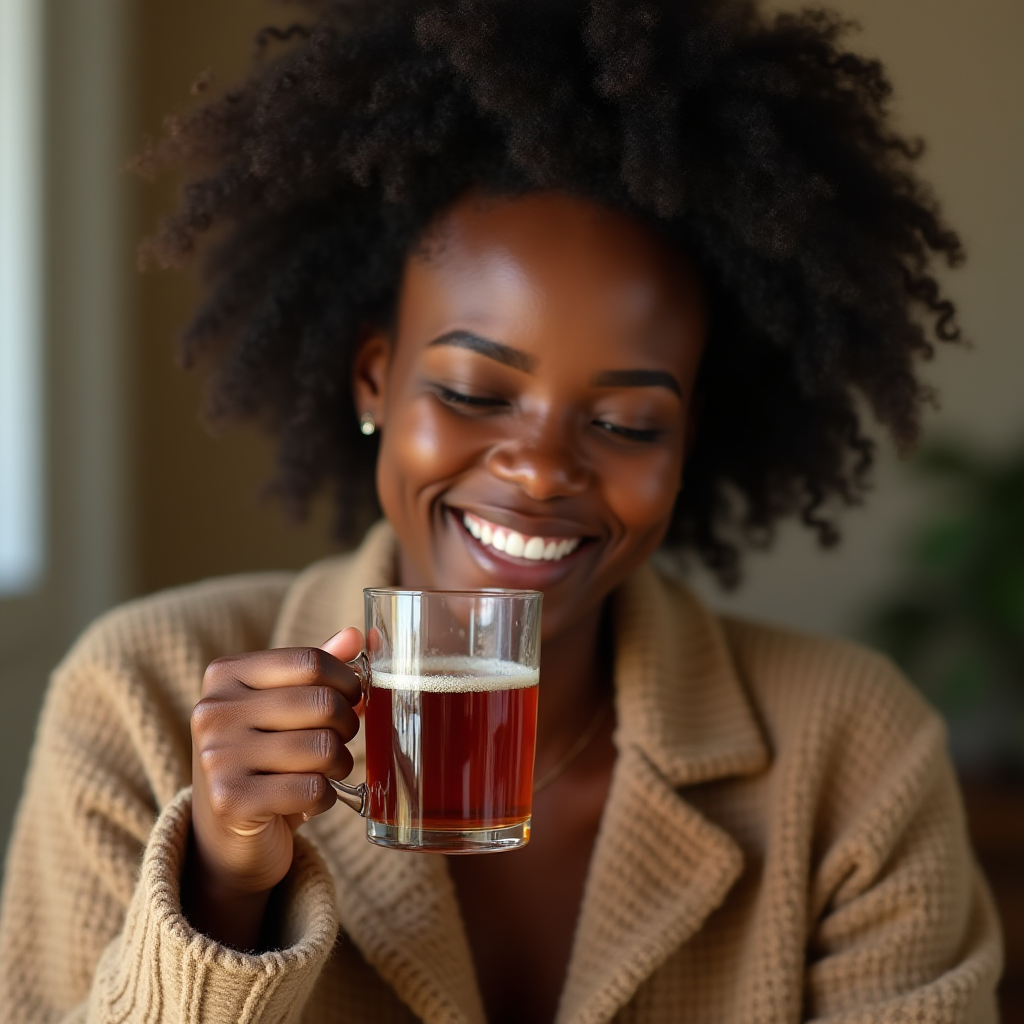
Herbal tea can help with weight loss in a supportive, indirect way. It is not a fat-burning solution on its own, but it can contribute to better habits that make weight loss more achievable. Drinking herbal tea can reduce calorie intake by replacing sugary drinks, improve hydration, and sometimes help control appetite. These small effects can add up when combined with a balanced diet and regular activity.
Which herbal teas are most the most effective help with weight loss?
Some herbal teas are more commonly associated with weight management. Green tea is often mentioned for its potential to support metabolism, although it is technically not a herbal tea. Among true herbal options, peppermint tea may help reduce appetite, while ginger tea can support digestion and may slightly increase calorie burning. Hibiscus tea has been studied for its potential effects on fat metabolism, and dandelion tea may help reduce water retention.
If you want to add any of these teas to your collection, click the links at the foot of this page.
How herbal tea supports metabolism and appetite
Herbal tea can help with weight loss by supporting both metabolism and appetite control. Certain herbs may have mild thermogenic effects, helping the body use energy more efficiently. Others promote a feeling of fullness or reduce cravings, making it easier to avoid unnecessary snacking. In addition, drinking tea regularly can create structured habits that replace less healthy choices, which is often a key factor in long-term weight management.
Is herbal tea enough on its own?
Herbal tea is not enough on its own to produce significant weight loss. Sustainable weight loss depends on maintaining a calorie deficit over time, which usually requires changes in diet and physical activity. Herbal tea can support this process, but it should be viewed as a complementary tool rather than a primary method.
Safety and responsible use
Most herbal teas used for weight management are safe when consumed in moderation. However, some products marketed for weight loss contain strong laxatives or diuretics, which can lead to dehydration or other side effects if overused. It is important to choose simple, well-understood herbs and avoid relying on teas that promise rapid or dramatic help with weight loss.
When herbal tea is most useful
Herbal tea is most of most useful help with weight loss when it replaces high-calorie drinks, supports hydration, and helps manage appetite between meals. It can also be part of a routine that reinforces healthier habits, such as drinking tea instead of snacking in the evening. Over time, these small changes can contribute to more consistent weight management.
FAQ
Can herbal tea help with weight loss quickly?
Herbal tea does not produce rapid weight loss. Any benefits tend to be gradual and depend on overall lifestyle habits.
Which herbal tea is best for weight loss?
Peppermint, ginger, hibiscus, and dandelion teas are commonly used to support digestion, appetite control, and fluid balance.
Can I drink herbal tea every day?
Most herbal teas can be consumed daily, provided they are used in moderation and are not based on strong laxatives.
Does herbal tea burn fat?
Herbal tea may support metabolism slightly, but it does not directly burn fat in a significant way.
Are there side effects?
Some teas, especially those marketed for rapid weight loss, can cause dehydration or digestive discomfort if overused.
Conclusion
Herbal tea can help with weight loss, but only as part of a broader, balanced approach. Its main benefits come from supporting hydration, reducing calorie intake, and helping manage appetite. While it is not a quick solution, it can play a useful role in building healthier habits that contribute to long-term weight control.
Further Reading
For a full evidence-based overview of herbal tea benefits, safety, and quality considerations, read our complete guide to Herbal Tea Benefits.
1] The Benefits of Herbal Tea
2] How to Choose Quality Herbal Tea
3] Loose Leaf Tea vs Tea Bags?
4] Are Herbal Teas Safe?
5] Herbal Tea for Diabetes
Visit our bookshop to check out the ‘culturally grounded, Otherworldly narratives’ by Owen Jones.
Recommended Products
High-quality Chamomile tea (loose leaf): https://amzn.to/3Pv6zgo
Chamomile tea bags: https://amzn.to/4bCq3XM
Hibiscus tea (loose leaf): https://amzn.to/3PpQvYh
Hibiscus tea bags: https://amzn.to/3NQyV1J
Peppermint tea (loose leaf): https://amzn.to/4lIQSyi
Peppermint tea bags: https://amzn.to/3NMIelO
Lemon Balm tea (loose leaf): https://amzn.to/4bA4NlH
Lemon Balm tea bags: https://amzn.to/47elJNf
Manuka Honey: https://amzn.to/47p7i9g
High-quality Garlic press: https://amzn.to/4sFBsxD
Tea infuser: https://amzn.to/4lAToGE
Glass teapot: https://amzn.to/4snGsGY
Storage boxes: https://amzn.to/47UQgQf
Assortment Box: https://amzn.to/3NFO9ZJ
Looking for a specific herbal tea? Browse the full A–Z list here:
Herbal Teas A-Z List
Get the Free Herbal Tea Shop Cheat Sheet
References
1] National Health Service (NHS) guidance on managing weight explains the importance of calorie balance, diet, and physical activity in sustainable weight loss.
2] Mayo Clinic overview of weight loss outlines how metabolism, diet, and lifestyle interact, and clarifies that no single food or drink drives significant fat loss on its own.
3] Harvard Health Publishing discusses metabolism and energy balance, providing context for claims around foods and drinks that may slightly influence calorie use.