
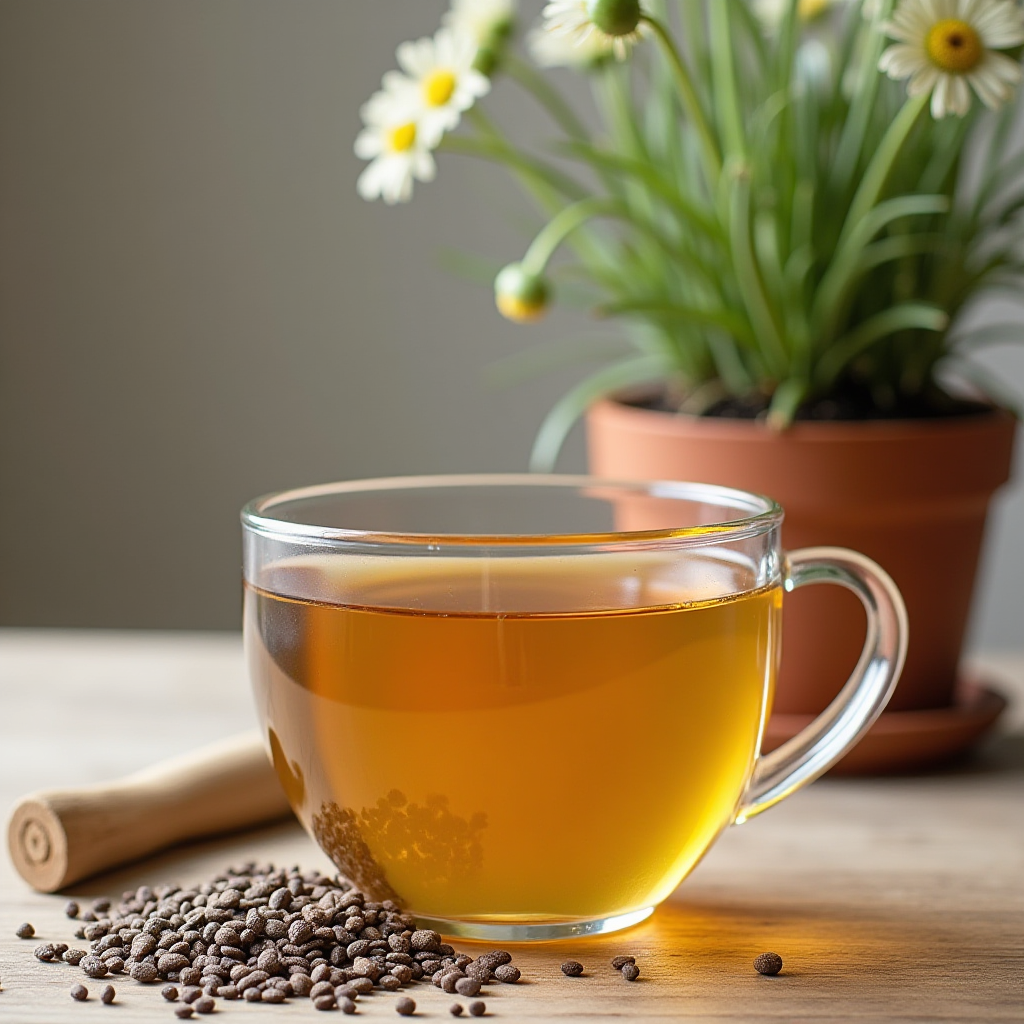


The traditional carminative for gas, bloating, and appetite control
Caraway tea, made from the dried seeds of the Carum carvi plant, is a traditional European herbal remedy with a long history of use for digestive complaints. Often confused with cumin (to which it is related), caraway has a distinctive warm, slightly peppery, anise-like flavour that sets it apart. It has been used for centuries in German, Austrian, and Eastern European folk medicine, particularly for wind (gas), bloating, indigestion, and colic in infants. Caraway is a classic carminative – an herb that helps expel trapped gas from the digestive tract – but its benefits extend beyond simple gas relief. It also has antispasmodic properties that calm cramping, mild appetite-suppressing effects that can aid weight management, and antimicrobial activity that may support gut health. For those seeking a gentle, effective, and traditional remedy for digestive discomfort or appetite control, caraway tea is an excellent choice.
“If you’d like to try the teas mentioned in this article, visit our Herbal Tea Shop for a curated selection of high-quality, tested sources or choose from the teas below. Every product we recommend has been chosen for purity and potency”.
Looking for a specific herbal tea? Browse the full A–Z list here:
Herbal Teas A-Z List
Get the Free Herbal Tea Shop Cheat Sheet
What caraway tea is and how it works
Caraway (Carum carvi) is a biennial plant in the Apiaceae (carrot) family, native to Europe, Western Asia, and North Africa. The plant produces small, brown, crescent-shaped seeds that are used both as a culinary spice and as a medicinal herb. Caraway has been used since ancient times; seeds have been found in Neolithic settlements, and it was known to the ancient Greeks, Romans, and Egyptians. In medieval Europe, caraway was a common digestive aid, often served at the end of feasts to prevent gas and indigestion.
The primary active compounds in caraway seeds include carvone, limonene, flavonoids (such as quercetin and kaempferol), phenolic acids, and tannins. Carvone is the most important compound, responsible for caraway’s characteristic flavour and many of its therapeutic effects. These compounds work through several mechanisms: carminative action (relaxing the smooth muscle of the digestive tract, allowing trapped gas to pass), antispasmodic properties (reducing cramping and spasms in the gut), appetite-modulating effects (helping to reduce hunger between meals), antimicrobial activity (inhibiting certain bacteria and fungi), anti-inflammatory effects (reducing inflammation in the digestive tract), and mild expectorant properties (loosening mucus). When prepared as a tea, these compounds are extracted into the water, providing a gentle but effective remedy for digestive discomfort.
Caraway is considered very safe and well tolerated, making it suitable for adults, children, and even infants (in small amounts or through breast milk).
Key health benefits of caraway tea
Gas and bloating relief is the most well-known benefit of caraway tea. As a carminative, caraway helps relax the digestive tract, allowing trapped gas to pass more easily and reducing the uncomfortable sensation of bloating and pressure. It is particularly effective after heavy or gas-producing meals. For many people, a cup of caraway tea provides noticeable relief within fifteen to thirty minutes.
Indigestion and digestive comfort are another major benefit. Caraway’s antispasmodic properties help calm cramping and discomfort associated with indigestion. It also helps stimulate digestive secretions, improving the breakdown of food. Caraway tea is often consumed after meals to aid digestion and prevent discomfort.
Appetite suppression is a lesser-known but valuable benefit of caraway tea. Traditionally, caraway seeds were chewed or drunk as a tea to reduce hunger between meals. The carvone and limonene compounds may help modulate hunger signals and promote feelings of fullness. For those managing their weight, a cup of caraway tea between meals can help reduce snacking.
Menstrual cramp relief comes from caraway’s antispasmodic properties. It helps relax the smooth muscle of the uterus, reducing the intensity of menstrual cramps. Caraway tea is often combined with other herbs such as fennel or chamomile for period pain.
Infant colic is a traditional use of caraway tea. Breastfeeding mothers who drink caraway tea pass the active compounds to their infant through breast milk, helping to relieve colic symptoms. Caraway is a common ingredient in gripe water formulations. (Always consult a paediatrician before giving any herbal remedy to an infant.)
Respiratory support is a lesser-known benefit. Caraway has mild expectorant properties that can help loosen mucus, making it useful for mild coughs and congestion. The warm, soothing quality of caraway tea can also help calm throat irritation.
Antimicrobial effects may help support gut health by inhibiting the growth of harmful bacteria and fungi. While tea is less concentrated than essential oil, regular consumption may offer mild protective benefits.
How to prepare caraway tea
Caraway tea can be prepared from whole or crushed seeds. From whole seeds: Use one to two teaspoons of caraway seeds per cup of water. Gently crush the seeds to release their volatile oils (use a mortar and pestle or the back of a spoon). Pour freshly boiled water over the seeds and steep for 5–10 minutes. Longer steeping produces a stronger, more intense flavour. From tea bags: Use one tea bag per cup. Steep for 5–10 minutes. Strain well: Strain the tea through a fine mesh strainer or tea infuser to remove the seeds before drinking. Flavour: Caraway tea has a warm, slightly peppery, anise-like, and earthy flavour with notes of rye bread. It is distinctive and aromatic. Blending: Caraway blends well with other digestive herbs such as fennel, peppermint, chamomile, or ginger. A blend of caraway and fennel is excellent for gas and bloating. Sweetening: Honey can help balance the peppery notes.
How to use caraway tea safely
Caraway tea is generally safe for most people when consumed in moderate amounts – one to three cups daily. However, several precautions apply.
Pregnancy and breastfeeding: Caraway is generally considered safe in culinary amounts (as a spice or occasional tea). However, medicinal doses (strong tea consumed regularly in large quantities) should be discussed with a healthcare provider. Some traditional sources suggest avoiding large amounts during pregnancy. Breastfeeding women should consult a healthcare provider before regular use.
Allergies: Caraway is in the Apiaceae (carrot) family, which includes celery, parsley, fennel, dill, anise, and mugwort. Individuals with known allergies to these plants may also react to caraway.
Medication interactions: Caraway may interact with certain medications, including those metabolised by the liver (CYP450 system). It may also have mild blood-thinning properties, so those on anticoagulants should consult a healthcare provider.
Children: Caraway tea is safe for children in appropriate doses. Use half the adult amount (one-half to one teaspoon per cup). It is often used for colic, gas, and digestive upset in children.
Iron absorption: Caraway contains compounds that may inhibit iron absorption. Those with iron deficiency should drink caraway tea between meals rather than with iron-rich foods.
Essential oil warning: Caraway essential oil is highly concentrated and should never be ingested. Only use whole or crushed seeds or tea bags for tea.
Recommended dosage
For digestive support (gas, bloating, indigestion), one cup of caraway tea after meals is typically sufficient. For appetite suppression, one cup between meals as needed. For menstrual cramps, one to two cups daily during menstruation. Caraway is very safe and can be consumed as needed.
Limitations of caraway tea
Caraway tea is not a substitute for medical treatment, particularly for serious digestive disorders, severe menstrual cramps, or respiratory infections. Its effects are mild and work best as part of a broader approach to health. Claims that caraway “cures” indigestion, colic, or appetite disorders are unsupported; it is best understood as a supportive tool for symptom relief.
FAQ
Does caraway tea help with bloating and gas?
Yes. Caraway is a traditional carminative herb that helps relax the digestive tract, allowing trapped gas to pass and reducing bloating.
Is caraway tea safe during pregnancy?
Culinary amounts are generally considered safe, but medicinal doses (strong tea consumed regularly) should be avoided during pregnancy. Consult a healthcare provider before use.
What does caraway tea taste like?
Caraway tea has a warm, slightly peppery, anise-like, and earthy flavour with notes of rye bread. It is distinctive and aromatic. Blending with fennel or honey improves palatability.
Does caraway tea help with appetite suppression?
Yes. Caraway has been traditionally used to reduce hunger between meals. The carvone and limonene compounds may help modulate hunger signals and promote feelings of fullness.
Can caraway tea help with menstrual cramps?
Yes. Caraway has antispasmodic properties that help relax the smooth muscle of the uterus, reducing the intensity of menstrual cramps.
Conclusion
Caraway tea is a traditional European remedy for wind (gas), bloating, indigestion, and appetite control. Its carminative and antispasmodic properties help relax the digestive tract, relieve cramping, and allow trapped gas to pass. It also helps reduce hunger between meals, making it a useful tool for weight management. The warm, slightly peppery, anise-like flavour is distinctive and aromatic. Used consistently after meals or when hunger strikes, caraway tea provides gentle, reliable relief for digestive discomfort and appetite control.
Recommended Products
If you’d like to try caraway tea yourself, using a good-quality source that delivers worldwide makes a real difference.
Caraway tea bags: https://amzn.to/492cfoY
Fennel tea (loose leaf): https://amzn.to/4ssAbtF (for blending)
Peppermint tea (loose leaf): https://amzn.to/4lIQSyi (for blending)
Manuka Honey: https://amzn.to/47p7i9g
High-quality Garlic press: https://amzn.to/4sFBsxD
Tea infuser: https://amzn.to/4lAToGE
Glass teapot: https://amzn.to/4snGsGY
Storage boxes: https://amzn.to/47UQgQf
Assortment Box: https://amzn.to/3NFO9ZJ
Visit our online Herbal Tea Shop for more choice!
Do you read novels?
Visit our bookshop to check out the ‘culturally grounded, Otherworldly narratives’ by Owen Jones.
Looking for a specific herbal tea? Browse the full A–Z list here:
Herbal Teas A-Z List
Get the Free Herbal Tea Shop Cheat Sheet
Further Reading
For a full evidence-based overview of herbal tea benefits, safety, and quality considerations, read our complete guide to Herbal Tea Benefits
1] For more on gas and bloating, see:
Herbal Tea for Gas Relief
2] For appetite suppression, see:
Herbal Teas for Suppressing Appetite
3] For digestive health, see:
Herbal Teas to Aid Digestion
4] For safety guidance on herbal teas, see:
Are Herbal Teas Safe?
5] For potential interactions with medications, see:
Herbal Tea and Medication
References
1] National Center for Complementary and Integrative Health (NCCIH) – Caraway
Provides evidence-based information on caraway safety and research.
2] European Medicines Agency – Caraway
Offers regulatory and safety assessments for caraway preparations.
3] National Health Service (NHS) – Bloating and Gas
Provides medical guidance on digestive symptoms and self-care.
4] Cleveland Clinic – Natural Remedies for Indigestion
Provides practical recommendations for natural digestive relief.