

The controversial herb for coughs that comes with serious risks
Coltsfoot tea, made from the leaves or flowers of the Tussilago farfara plant, has been used for centuries to treat coughs, bronchitis, and other respiratory conditions. Its name comes from the shape of its leaves, which resemble a colt’s (young horse) foot. In traditional herbal medicine, coltsfoot was considered a specific remedy for chronic coughs, including those associated with emphysema and silicosis . The plant contains mucilage, which coats and soothes irritated throat tissues, and bitter glycosides with anti-inflammatory activity . However, coltsfoot also contains pyrrolizidine alkaloids – compounds that can cause serious liver damage. For this reason, coltsfoot has been banned for internal use in Germany since 1992 . The tea is not for casual use. It is not for daily drinking. It is a potent medicinal herb that should be used only with full understanding of the risks.
“If you’d like to try the herbal teas mentioned in this article for yourself, we’ve curated a selection of high-quality, tested sources below. Every product we recommend has been chosen for purity and potency, or visit our online Herbal Tea Shop for even more choice”.
Looking for a specific herbal tea? Browse the full A–Z list here:
Herbal Teas A-Z List
Get the Free Herbal Tea Shop Cheat Sheet
What coltsfoot tea is and how it works
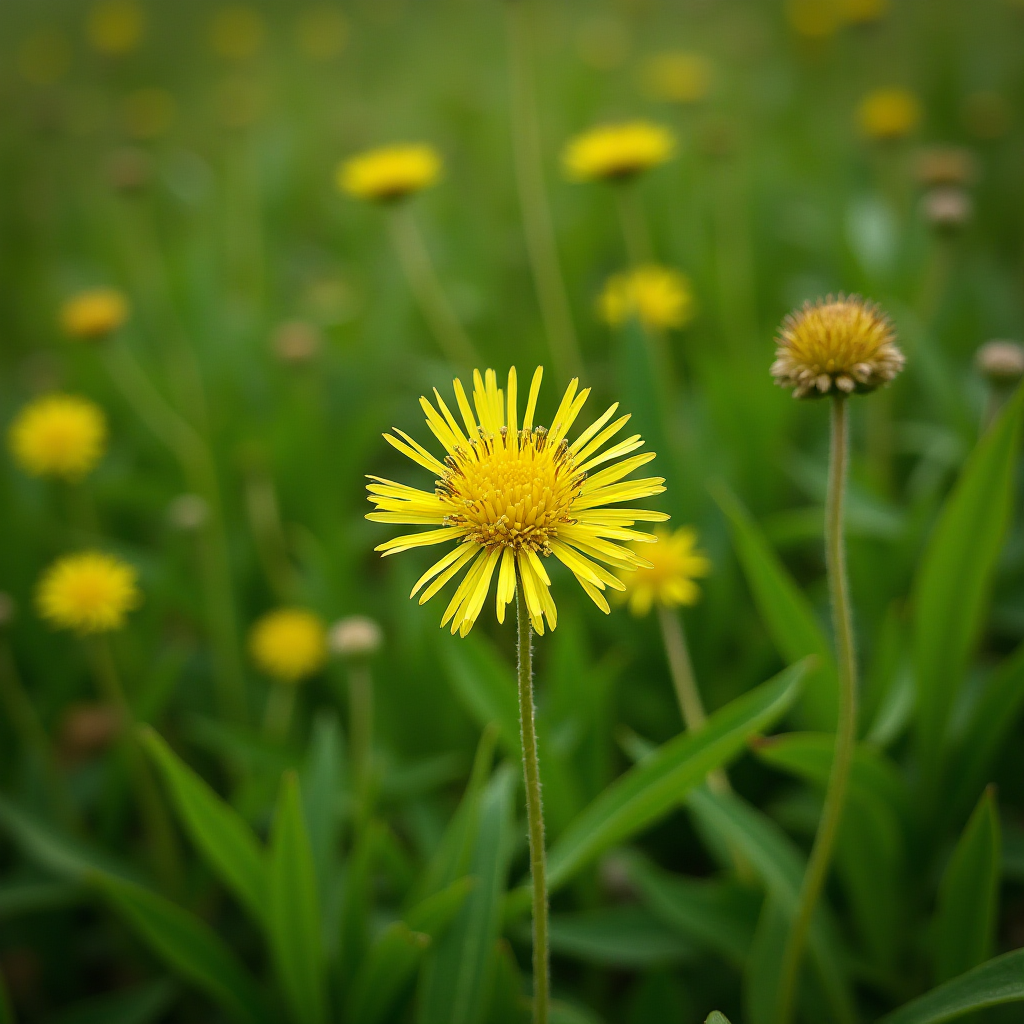
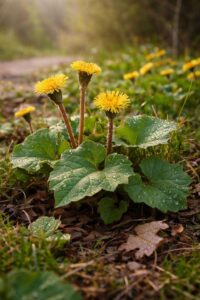
Coltsfoot (Tussilago farfara) is a perennial flowering plant in the daisy family (Asteraceae), native to Europe, Asia, and North Africa. It is one of the first plants to flower in spring, producing bright yellow dandelion-like blooms before its leaves appear. The leaves are large, heart-shaped, and have a white woolly underside.
The primary active compounds in coltsfoot include mucilage, bitter glycosides, tannins, and pyrrolizidine alkaloids (PAs) . The mucilage coats and soothes irritated mucous membranes in the throat and respiratory tract, providing temporary relief from coughing . The bitter glycosides and tannins have mild anti-inflammatory and antitussive (cough-suppressing) effects .
However, the pyrrolizidine alkaloids are the dominant concern. These compounds are hepatotoxic (liver-damaging) and have been shown to cause cancer in animal studies . The root contains the highest concentration of PAs, but the leaves and flowers also contain them .
Unlike many herbal teas that are safe for regular use, coltsfoot carries genuine risks that have led to regulatory action in several countries.
Traditional uses of coltsfoot tea
Cough and bronchitis relief is the primary traditional use of coltsfoot. Herbalists historically used it for chronic coughs, including those caused by emphysema, silicosis, and other lung conditions . The mucilage content soothes irritated airways, and the anti-inflammatory compounds may reduce bronchial inflammation.
Sore throat relief is another traditional use. The German Commission E originally approved coltsfoot leaf for the treatment of sore throats before the herb was banned for internal use .
In Traditional Chinese Medicine, coltsfoot flower (known as Kuan Dong Hua) is used to “moisten the lungs, descend Qi, stop coughing, and transform phlegm” . It is considered warm and acrid, entering the Lung channel.
Neuroprotective effects have been demonstrated in laboratory research. A 2024 study found that an extract of Tussilago farfara showed neuroprotective and antioxidant effects, inhibiting neuronal damage induced by arachidonic acid and other neurotoxins . However, this research is preliminary and does not support therapeutic use.
The serious risks of coltsfoot tea
Liver damage is the most significant risk. The pyrrolizidine alkaloids in coltsfoot are hepatotoxic. A single reported case described an infant who developed liver disease and died after the mother drank tea containing coltsfoot during pregnancy . Another case reported an 18-month-old child who developed veno-occlusive disease after consuming a herbal tea mixture containing coltsfoot over 15 months, though it was later determined that the parents had mistakenly gathered a toxic look-alike plant (Adenostyles alliariae) instead of true coltsfoot . This highlights the additional risk of misidentification when foraging.
Carcinogenicity has been demonstrated in animal studies using amounts of coltsfoot hundreds of times higher than those used in medicine . While the relevance to human tea consumption is debated, the risk has led to regulatory action.
Germany has banned coltsfoot for internal use since 1992 . The ban followed the case of an infant who died after maternal coltsfoot tea consumption during pregnancy .
Pyrrolizidine-free products are available but not common. Preparations guaranteed to be free of hepatotoxic PAs are considered safer and can be used for longer periods . However, dietary supplement products sold in the US and elsewhere are not required to state the amount of PAs they may contain .
How to prepare coltsfoot tea (if you choose to use it)
Internal use of coltsfoot root is not recommended due to the high concentration of pyrrolizidine alkaloids . If using coltsfoot leaf or flower tea:
Tea preparation: Steep 1–2 teaspoons (5–10 grams) of dried coltsfoot leaf or flower in 1 cup (250 ml) of hot water for 10–20 minutes .
Dosage: Traditional dosages suggest up to three cups (750 ml) daily .
Duration: Do not use coltsfoot for more than one month consecutively – longer use increases the risk of liver damage .
Safe alternative: Look for coltsfoot products that are certified and labeled as “hepatotoxic PA-free”. These can be used indefinitely and are preferable .
Flavour: Coltsfoot tea has an earthy, slightly bitter, and somewhat sweet flavour. It is not unpleasant, but the risks outweigh the taste.
Safety considerations
Coltsfoot carries significant risks and should be used with extreme caution.
Pregnancy and breastfeeding: Avoid completely. Coltsfoot preparations are considered likely unsafe during pregnancy and breastfeeding. The hepatotoxic pyrrolizidine alkaloids may cause birth defects and liver or lung damage in the developing foetus or nursing infant .
Liver disease: Anyone with existing liver disease should not use coltsfoot. The pyrrolizidine alkaloids can worsen liver damage .
Allergies: Coltsfoot is in the Asteraceae (daisy) family, which includes ragweed, chrysanthemums, marigolds, and echinacea. Individuals with known allergies to these plants may react to coltsfoot .
High blood pressure and heart disease: Large amounts of coltsfoot might interfere with treatment for these conditions. Avoid use .
Coughing of blood or pus: Traditional Chinese medicine cautions against using coltsfoot for coughs accompanied by blood or pus .
Recommended dosage
If you choose to use coltsfoot tea despite the risks, limit use to short periods – no more than one month consecutively . One to two cups daily is sufficient. Do not exceed three cups daily. The safest option is to use only products that are certified and labeled as hepatotoxic PA-free .
Limitations of coltsfoot tea
Coltsfoot tea is not a substitute for medical treatment for respiratory conditions. Its effects are mild and the risks are significant. Most health authorities advise against internal use of coltsfoot altogether. Safer alternatives for coughs and respiratory conditions include thyme, mullein, and liquorice root – all of which have similar expectorant effects without the liver toxicity.
“If you’d like to try the herbal teas mentioned in this article for yourself, we’ve curated a selection of high-quality, tested sources below. Every product we recommend has been chosen for purity and potency, or visit our online Herbal Tea Shop for even more choice”.
FAQ
Is coltsfoot tea safe?
No. Coltsfoot contains hepatotoxic pyrrolizidine alkaloids that can damage the liver. It has been banned for internal use in Germany since 1992. If you choose to use it, only use products certified as PA-free.
Does coltsfoot tea help with coughs?
Yes, the mucilage content soothes irritated throat tissues and the anti-inflammatory compounds may reduce bronchial inflammation. However, safer alternatives exist.
Why was coltsfoot banned in Germany?
Coltsfoot was banned in Germany in 1992 following a case where an infant died after the mother drank tea containing coltsfoot during pregnancy .
Can I drink coltsfoot tea during pregnancy?
No. Coltsfoot should be avoided entirely during pregnancy and breastfeeding due to the risk of liver damage to the foetus or infant .
What is a safer alternative to coltsfoot tea?
Thyme tea, mullein tea, and liquorice root tea are all effective expectorants for coughs and chest congestion without the liver toxicity risks associated with coltsfoot.
Conclusion
Coltsfoot tea is a traditional remedy for coughs and respiratory conditions that comes with significant risks. The presence of hepatotoxic pyrrolizidine alkaloids has led to regulatory action against the herb in several countries, including an internal use ban in Germany. The mucilage and anti-inflammatory compounds do provide genuine relief for sore throats and irritated airways, but the risks may outweigh the benefits. Safer alternatives exist. If you choose to use coltsfoot, limit use to short periods (no more than one month) and seek products certified as PA-free. Do not use during pregnancy or breastfeeding, and avoid entirely if you have liver disease.
Recommended Products
If you’d like to try the above herbal teas for yourself, we’ve curated a selection of high-quality, tested sources below. Every product we recommend has been chosen for purity and potency, or visit our online Herbal Tea Shop for even more choice.
Coltsfoot tea (loose leaf): https://amzn.to/4eoV1WG
Thyme tea (loose leaf): https://amzn.to/3O3BRL2 (safer alternative)
Mullein tea bags: https://amzn.to/4cqjbxk (safer alternative)
Manuka Honey: https://amzn.to/47p7i9g
High-quality Garlic press: https://amzn.to/4sFBsxD
Tea infuser: https://amzn.to/4lAToGE
Glass teapot: https://amzn.to/4snGsGY
Storage boxes: https://amzn.to/47UQgQf
Assortment Box: https://amzn.to/3NFO9ZJ
Visit our online Herbal Tea Shop for more choice!
Do you read novels? Visit our bookshop to check out the ‘culturally grounded, Otherworldly narratives’ by Owen Jones.
Looking for a specific herbal tea? Browse the full A–Z list here:
Herbal Teas A-Z List
Get the Free Herbal Tea Shop Cheat Sheet
Further Reading
For a full evidence-based overview of herbal tea benefits, safety, and quality considerations, read our complete guide to Herbal Tea Benefits
1] For more on respiratory health, see:
Respiratory Inflammation
2] For safer cough remedies, see:
Thyme Tea
3] For safety guidance on herbal teas, see:
Are Herbal Teas Safe?
4] For potential interactions with medications, see:
Herbal Tea and Medication
References
1] Healthwise – Coltsfoot (March 2015)
2] Drugs.com – Coltsfoot Uses, Benefits & Dosage (January 2026)
3] WebMD – Coltsfoot: Overview, Uses, Side Effects, Precautions
4] National Institutes of Health (NIH) – Tussilago farfara vegetative organs (2022)