


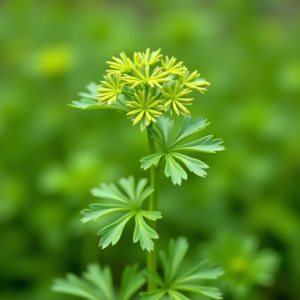
What coriander is and how it works
Coriander tea can be made from most of the parts of the coriander plant (Coriandrum sativum). It is a flowering annual herb belonging to the Apiaceae family – the same plant family as dill, fennel, caraway, parsley, and celery. Native to the Mediterranean and western Asia, it is one of the oldest documented spice plants in the world, with seeds found in Egyptian tombs dating back over three thousand years and references in Sanskrit texts, ancient Greek writings, and the Old Testament. The plant is known by different names in different parts of the world: in the United States, the seeds are called coriander while the leaves are known as cilantro; in the UK, both parts of the plant are called coriander.
Both the seeds and the leaves can be used to make coriander tea, and as with dill, they differ significantly in character and potency. The seeds are more concentrated in essential oils and are the preferred choice for medicinal preparations; the leaves are milder, fresher, and more delicate in flavour.
The key active compounds in coriander seeds include linalool and alpha-pinene – volatile oils with antimicrobial, antispasmodic, and anxiolytic properties – along with terpinene, cymene, and borneol. The seeds also contain flavonoids including quercetin, kaempferol, and rhamnetin, which contribute antioxidant and anti-inflammatory activity. Coriander leaves are particularly rich in polyphenols and contain higher concentrations of vitamin K, vitamin C, and beta-carotene than the seeds. Both parts of the plant provide calcium, magnesium, iron, and potassium.
In Ayurvedic medicine, coriander is classified as a cooling herb – one that reduces excess heat and inflammation in the body – and is used extensively in digestive, urinary, and detoxification formulas. The classic Ayurvedic CCF tea (cumin, coriander, and fennel) remains one of the most widely recommended digestive blends in traditional Indian medicine.
“If you’d like to try coriander tea for yourself, we’ve curated a selection of high-quality, tested sources below. Every product we recommend has been chosen for purity and potency, or visit our online Herbal Tea Shop for even more choice”.
Looking for a specific herbal tea? Browse the full A–Z list here:
Herbal Teas A-Z List
Get the Free Herbal Tea Shop Cheat Sheet
Key health benefits
Digestive support Coriander tea’s most well-established traditional use is as a digestive remedy. The essential oils in the seeds – particularly linalool – have antispasmodic properties that help to relax the smooth muscle of the gastrointestinal tract, reducing cramping, bloating, and trapped wind. Coriander seed tea has been used across Ayurvedic, Persian, and Mediterranean traditional medicine for indigestion, flatulence, nausea, and diarrhoea. Its antimicrobial properties – active against bacteria including E. coli, Salmonella, and Staphylococcus aureus – may also contribute to gut health by helping to reduce the burden of harmful microorganisms in the digestive tract.
Blood sugar regulation Several studies have found that coriander seed extract may help to support more stable blood glucose levels, potentially by stimulating insulin release and enhancing the uptake of glucose by cells. Coriander leaves are also of interest in this regard: their polyphenol content has been associated in research with protective effects against obesity, metabolic syndrome, and diabetes. These are promising findings, but the clinical evidence base in humans is still developing, and coriander tea should not be regarded as a substitute for prescribed diabetes management.
Urinary tract and kidney support Coriander seed tea has a long traditional reputation as a urinary tonic. The seeds are thought to improve the filtration rate of the kidneys, promoting urine production and helping to flush the urinary system of toxins and microbes. This diuretic and alkalising effect may provide relief from the discomfort of mild urinary tract infections and help to reduce fluid retention, though anyone with a suspected UTI should seek medical assessment rather than relying solely on herbal tea.
Cholesterol and cardiovascular support Some studies have suggested that coriander seed extract may help to reduce LDL (bad) cholesterol and triglycerides while supporting HDL (good) cholesterol levels, possibly through its influence on liver enzymes involved in fat metabolism. Vitamin K, present in meaningful quantities in coriander leaves, plays a role in cardiovascular health by supporting proper blood clotting and may help to reduce the risk of arterial calcification. These are primarily findings from animal and in vitro studies, and human clinical evidence remains limited regarding coriander tea in general.
Detoxification Coriander leaves in particular have attracted interest for their potential role in heavy metal detoxification. Research has suggested that coriander may act as a chelating agent – binding to toxic metals such as lead, mercury, and aluminium in the body and supporting their excretion. This application is taken seriously in some functional and integrative medicine contexts, though the evidence from human trials is preliminary. It is one area where the leaves may have an advantage over the seeds.
Anxiety and sleep support Linalool, one of the principal volatile oils in coriander seeds, has demonstrated anxiolytic (anxiety-reducing) effects in animal studies, acting on GABA receptors in a manner somewhat similar to certain pharmaceutical sedatives. Coriander seed tea has a traditional association with calming the nervous system and supporting restful sleep, and while robust clinical evidence in humans is lacking, the pharmacological plausibility of the mechanism is well established.
Menstrual support In Ayurvedic and Persian traditional medicine, coriander seeds have long been used to regulate menstruation and reduce heavy menstrual flow, as well as to ease the bloating, cramping, and discomfort associated with the menstrual cycle. These uses are consistent with the antispasmodic and anti-inflammatory properties of the seeds’ volatile oils.
Skin and anti-inflammatory effects The antioxidant flavonoids in coriander tea – particularly quercetin and kaempferol – help to reduce systemic inflammation and oxidative stress. Coriander tea has been used topically and internally in traditional medicine for skin conditions including eczema and dermatitis, and its anti-inflammatory properties may offer modest systemic benefits when consumed regularly as a tea.
How to prepare coriander tea
Coriander seed tea (stronger, medicinal preparation): Lightly crush one to two teaspoons of dried coriander seeds – a mortar and pestle works well, or simply press them with the back of a spoon. Place in a teapot or infuser, pour over freshly boiled water, and steep for ten to fifteen minutes. Strain well. The resulting brew is a warm, golden-yellow liquid with a gentle citrus-spice flavour – earthy, mildly sweet, and considerably more pleasant than its description might suggest.
Coriander leaf tea (milder, fresher preparation): Use a small handful of fresh coriander leaves, or two teaspoons of dried coriander leaf, per cup of boiling water. Steep for five to eight minutes and strain. The flavour is fresher, greener, and more herbaceous than the seed version – lighter and more delicate.
CCF tea (Ayurvedic digestive blend): Combine equal parts coriander seeds, fennel seeds, and cumin seeds – approximately half a teaspoon of each per cup. Simmer gently in water for five to ten minutes, strain, and drink warm after meals. This is one of the most time-honoured digestive teas in Ayurvedic practice and a particularly effective combination for bloating and sluggish digestion.
Blending suggestions: Coriander pairs well with ginger for a warming digestive blend, and with lemon balm or chamomile for a calming evening cup. A slice of fresh lemon and a small amount of manuka honey complement the seed tea well.
“If you’d like to try coriander tea for yourself, we’ve curated a selection of high-quality, tested sources below. Every product we recommend has been chosen for purity and potency, or visit our online Herbal Tea Shop for even more choice”.
How to use coriander tea safely
Coriander tea is generally considered safe for most healthy adults when consumed in moderate, food-like quantities. As with all herbal preparations, a number of considerations apply.
Pregnancy: Coriander seeds have traditional associations with stimulating menstruation and uterine contractions at medicinal doses. Culinary quantities of coriander in food are considered safe during pregnancy, but regular consumption of strong coriander seed tea is generally not recommended. Those who are pregnant should seek guidance from their midwife or GP before using coriander medicinally.
Allergies: Coriander belongs to the Apiaceae family, and those with known allergies to other members of this family – including celery, fennel, caraway, dill, or parsley – may be at greater risk of cross-reactive sensitivity. Some people also experience contact dermatitis or oral allergy syndrome with coriander, particularly those with existing grass or mugwort pollen allergies.
Blood sugar medications: Given coriander tea’s potential effect on blood glucose, those taking insulin or oral hypoglycaemic medications should be aware of the possibility of an additive effect and monitor blood sugar accordingly.
Diuretic medications: Due to its diuretic properties, coriander seed tea may enhance the effect of prescribed diuretic medications. Those on such medications should exercise caution and seek advice from their GP or pharmacist.
Liver conditions: Some sources suggest that very high doses of coriander tea may affect liver enzyme activity. Moderate consumption as a tea is unlikely to cause concern, but those with liver conditions should seek professional guidance before using coriander in therapeutic quantities.
Children: Coriander is widely used in food for children and is generally considered safe in culinary quantities. Medicinal preparations should be discussed with a healthcare professional first.
Recommended dosage
For digestive support, two to three cups of coriander seed tea per day, consumed after meals, is the most commonly cited traditional approach. The CCF blend (coriander, cumin, and fennel) is particularly effective when taken in this way.
For sleep or anxiety support, one cup of coriander seed tea in the hour before bedtime is a reasonable starting point.
As a general wellness drink, one to two cups of coriander leaf tea daily is a mild and pleasant option with no significant safety concerns for most people.
There is no established clinical dose for coriander tea. The guidance above is based on traditional use and general herbal practice.
Limitations
Coriander tea has a rich and credible traditional profile across multiple medical traditions – Ayurvedic, Persian, Greek, and Chinese – and a number of its active compounds have been well characterised in laboratory research. However, robust human clinical trials specifically on coriander tea are largely absent.
Much of the evidence for coriander’s health benefits comes from studies using concentrated extracts or essential oils rather than brewed tea. The concentrations achievable in a standard cup of tea are considerably lower, and the therapeutic effects are likely to be mild to moderate rather than dramatic.
Coriander tea is not a treatment for any diagnosed medical condition. Its potential role in supporting digestion, blood sugar, and urinary health is consistent with traditional use and plausible from a pharmacological standpoint, but should not replace medical advice or prescribed treatment.
The naming confusion between coriander and cilantro in some research literature (particularly American sources) can make it difficult to determine which part of the plant was used in any given study – an important variable given the different compound profiles of seeds and leaves.
FAQ
What does coriander tea taste like?
Coriander seed tea has a warm, gently spiced, citrus-earthy flavour – mild, aromatic, and slightly sweet. It is considerably more pleasant and subtle than the raw seeds suggest. Many people who dislike the strong flavour of fresh coriander leaves find the seed tea quite agreeable. The leaf tea is fresher and more herbaceous in character.
Can coriander tea help with bloating?
Yes – coriander tea has well-established carminative and antispasmodic properties, making it a useful choice for bloating, trapped wind, and digestive cramping. The classic Ayurvedic combination of coriander with fennel and cumin is particularly effective for this purpose.
Is coriander the same as cilantro?
Yes – they are the same plant (Coriandrum sativum). In the United States, the leaves are commonly called cilantro and the seeds are called coriander. In the UK and most other parts of the world, both the leaves and seeds are called coriander. For the purposes of this page, coriander refers to both parts of the plant.
Can I use fresh coriander leaves to make tea?
Yes. Fresh leaves produce a lighter, more aromatic brew than dried leaf and have a fresher, greener flavour. They are less concentrated than the seeds but still provide a pleasant and mildly beneficial drink. Use a small handful of fresh leaves per cup and steep for five to eight minutes.
Does coriander tea interact with any medications?
Coriander’s potential effects on blood glucose and its mild diuretic properties mean that those taking insulin, oral hypoglycaemic drugs, or diuretic medications should be aware of possible additive effects. Anyone on regular prescription medication should check with their GP or pharmacist before using coriander tea in therapeutic quantities.
Conclusion
Coriander tea is one of those quietly remarkable herbal drinks that has served healers, cooks, and households across the world for millennia without ever achieving the mainstream recognition it deserves. Its flavour is gentle and pleasant; its active compound profile is well characterised; and its applications – from digestive relief to blood sugar support, urinary health, and anxiolytic effects – are consistent across multiple traditional medical systems and supported by a growing body of laboratory research. Seed tea is the stronger, more medicinal preparation; leaf tea is a lighter daily option. For those looking for a versatile, well-tolerated, and genuinely useful addition to a herbal tea routine, coriander tea is well worth exploring.
“Explore our full range of wellness products in the Herbal Tea Shop – quality teas, infusers, and more.”
Recommended Products
“If you’d like to try coriander tea for yourself, we’ve curated a selection of high-quality, tested sources below. Every product we recommend has been chosen for purity and potency, or visit our online Herbal Tea Shop for even more choice”.
👉 Best to try first: Coriander Seeds – whole dried coriander seeds are the most versatile and potent starting point, suitable for both seed tea and the classic CCF digestive blend, and straightforward to prepare with a basic infuser or teapot.
Start here:
Coriander Seed Tea
Coriander Seed Tea Bags
Fennel Loose Leaf
Caraway Tea Bags
Dill
Manuka Honey
Tea Infuser
Glass Teapot
Garlic Press Kit
Storage Boxes
Assortment Box
Visit our online Herbal Tea Shop for more choice!
Do you read novels? Visit our bookshop to check out the ‘culturally grounded, Otherworldly narratives’ by Owen Jones.
Looking for a specific herbal tea? Browse the full A–Z list here:
Herbal Teas A-Z List
Get the Free Herbal Tea Shop Cheat Sheet
Further Reading
For a full evidence-based overview of herbal tea benefits, safety, and quality considerations, read our complete guide to Herbal Tea Benefits.
1] Fennel Tea for Bloating and Gas – fennel shares both the Apiaceae family and the digestive benefits of coriander, and is one of the most effective herbal teas for bloating and trapped wind.
2] Dill Tea — Seeds, Leaves, and Health Benefits – another Apiaceae family herb with closely related active compounds and a similar carminative and antispasmodic profile to coriander.
3] Herbal Teas for IBS – a broader guide to the most effective herbal teas for managing the symptoms of irritable bowel syndrome, including antispasmodic and anti-inflammatory options.
4] Herbal Teas for Hormonal Balance – coriander tea’s traditional use for menstrual regulation sits well alongside this broader overview of herbs that support hormonal balance in women.
5] Herbal Teas for Prediabetes – for those interested in coriander’s blood sugar benefits, this article provides a broader context of the herbal teas most relevant to blood sugar management.
References
1] Coriander (Coriandrum sativum) – phytochemistry and medicinal properties – National Library of Medicine – comprehensive review of the active compounds in coriander seeds and leaves and their documented biological effects.
2] Antimicrobial activity of coriander essential oil – National Library of Medicine – laboratory study on coriander volatile oils and their activity against common pathogenic bacteria and fungi.
3] Coriander and blood glucose regulation – National Library of Medicine – overview of the evidence for coriander’s hypoglycaemic effects and proposed mechanisms.
4] Coriander – traditional uses and safety – European Medicines Agency – EMA monograph covering the traditional indications, preparation guidance, and safety considerations for coriander seeds.
5] Linalool and anxiolytic effects – National Library of Medicine – research on the mechanism of linalool’s action on GABA receptors and its anxiety-reducing properties in animal models.
6] Coriander as a chelating agent for heavy metals – National Center for Complementary and Integrative Health – background on the detoxification claims associated with coriander leaf and the current state of the evidence.