

What dill is and how it works
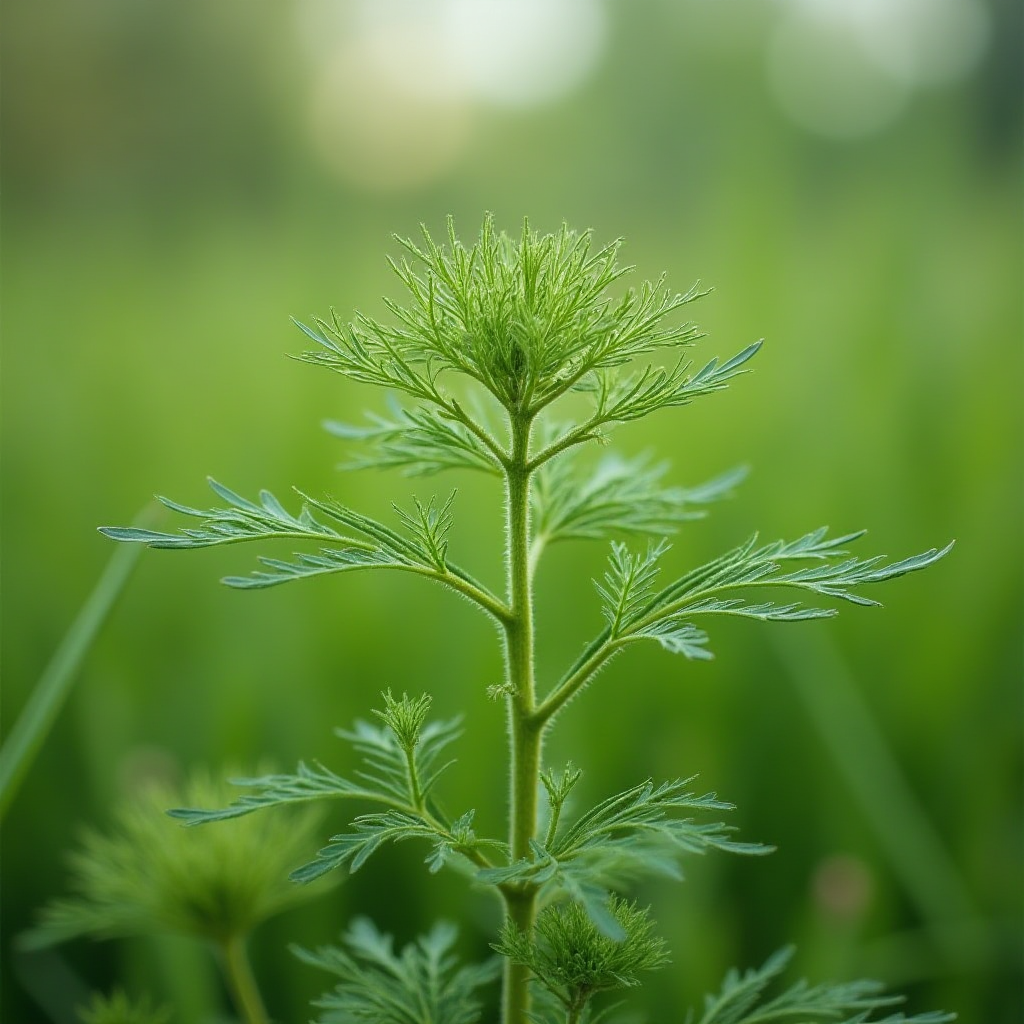
Dill (Anethum graveolens) is a tall, feathery annual herb belonging to the Apiaceae family – the same family as fennel, caraway, coriander, and parsley. Native to the Mediterranean and western Asia, it has been cultivated and used medicinally for at least five thousand years, with references appearing in ancient Egyptian papyri, Greek texts, and the writings of both Pliny and Dioscorides. Its name is thought to derive from the Old Norse word dilla, meaning to soothe or lull – a nod to its long-standing use as a calming digestive remedy.
Both the feathery green leaves (often called dill weed) and the dried seeds of the plant can be used to make tea, but they differ in potency and flavour. The seeds are the more concentrated source of the plant’s active compounds and produce a stronger, more pungent brew reminiscent of caraway. The leaves yield a milder, fresher infusion with a lighter herbal character. For medicinal purposes, the seeds are generally preferred; for a more delicate, everyday drink, the leaves work well.
The key active compounds in dill include carvone and limonene – volatile oils largely responsible for its distinctive aroma and much of its therapeutic activity. Carvone in particular has been studied for its antispasmodic and antimicrobial properties. Dill also contains flavonoids such as quercetin and isorhamnetin, which contribute antioxidant and anti-inflammatory activity, along with kaempferol and vicenin. Mineral content includes calcium, manganese, iron, and magnesium, while the leaves provide modest amounts of vitamin C and vitamin A.
“If you’d like to try dill tea for yourself, we’ve curated a selection of high-quality, tested sources below. Every product we recommend has been chosen for purity and potency, or visit our online Herbal Tea Shop for even more choice”.
Looking for a specific herbal tea? Browse the full A–Z list here:
Herbal Teas A-Z List
Get the Free Herbal Tea Shop Cheat Sheet
Key health benefits
Digestive support Dill’s most well-established traditional use is as a digestive remedy, and this reputation is well supported by its active compounds. Carvone and limonene have antispasmodic properties, meaning they may help to relax the smooth muscle of the gastrointestinal tract, reducing cramping, bloating, and trapped wind. Dill tea has been used for centuries as a carminative – a herb that helps to dispel gas – and remains a popular home remedy for indigestion and stomach discomfort across many cultures. In India, chewing dill seeds or drinking dill seed tea after meals is a common traditional practice for easing digestive sluggishness. Dill is also a traditional ingredient in gripe water, long used to soothe colic and digestive discomfort in infants, though any use in young children should be discussed with a healthcare professional first.
Antimicrobial properties Laboratory studies have demonstrated that dill seed extract exhibits antimicrobial activity against a range of bacteria and fungi, including some strains that are resistant to conventional antibiotics. This activity is attributed primarily to the volatile oils, particularly carvone and limonene. While these findings are based largely on in vitro studies rather than clinical trials in humans, they support dill’s traditional use as a food preservative and suggest a plausible mechanism for some of its health effects.
Antioxidant activity Dill contains a range of flavonoids and polyphenols that help to neutralise free radicals and reduce oxidative stress. Quercetin and kaempferol are among the most studied of these compounds, both of which have demonstrated anti-inflammatory and antioxidant effects in research settings. Regular consumption of antioxidant-rich herbal teas may contribute to reduced long-term oxidative damage, though dill tea is unlikely to be the primary source of antioxidants in most people’s diets.
Blood sugar regulation Some animal studies have suggested that dill extract may help to support more stable blood glucose levels, potentially by influencing insulin sensitivity or slowing carbohydrate absorption. Human clinical evidence is currently limited, and dill tea should not be regarded as a treatment for diabetes or prediabetes. However, for those interested in dietary approaches to blood sugar support, dill tea may be a useful complementary addition to a balanced diet – particularly when consumed after meals.
Calming and sleep support Consistent with its etymological roots in the word meaning “to soothe,” dill has a long traditional association with calming the nervous system and supporting sleep. The volatile oils in dill are thought to have mild sedative properties, and dill tea has historically been used as a gentle sleep aid, particularly for children. The evidence base here is largely traditional and anecdotal rather than clinical, but the use is well established across multiple cultures.
Bone health Dill is a surprisingly good source of calcium relative to its modest serving size, and the leaves in particular provide meaningful amounts of this mineral when consumed regularly. Calcium, alongside manganese and iron – both present in dill – plays a role in maintaining bone density and musculoskeletal health. As with all herbal teas, the quantities consumed are unlikely to replace dietary sources of calcium, but they may make a modest supplementary contribution.
How to prepare
Dill seed tea (stronger, medicinal preparation): Lightly crush one to two teaspoons of dried dill seeds using a mortar and pestle or the back of a spoon – this helps to release the volatile oils. Place the crushed seeds in a teapot or infuser, pour over freshly boiled water, and steep for ten to fifteen minutes. Strain well before drinking. The resulting brew is golden-yellow with a warm, slightly spicy flavour reminiscent of caraway or anise.
Dill leaf tea (milder, everyday preparation): Use two teaspoons of dried dill weed per cup of boiling water. Steep for eight to ten minutes and strain. The flavour is fresher and more herbaceous than the seed preparation – lighter and more delicate.
Blending suggestions: Dill pairs well with fennel seeds for an enhanced digestive blend, and a small amount of fresh ginger adds warmth and further digestive support. A pinch of cinnamon complements the spice notes of the seeds and may add blood sugar benefits. For a more aromatic cup, cardamom is a natural companion.
Sweetening: Dill tea can be enjoyed unsweetened, though a small amount of manuka honey softens the bitterness of the seed preparation pleasantly. Lemon is also a good addition to the leaf version.
How to use safely
Dill tea is generally considered safe for most healthy adults when consumed in moderate, food-like quantities. As with all herbal preparations, however, a number of considerations apply.
Pregnancy: Dill has traditionally been used to stimulate menstruation and is thought to have mild uterine-stimulating properties. Medicinal quantities – including strong dill seed tea consumed regularly – are generally not recommended during pregnancy. Small culinary amounts of dill in food are considered safe, but therapeutic use should be discussed with a midwife or GP.
Breastfeeding: Dill has a historical reputation as a galactagogue – a substance believed to support milk production – and dill tea in moderate quantities has traditionally been considered safe during breastfeeding. However, as with all herbs taken medicinally during this period, it is advisable to seek professional guidance.
Allergies: Dill belongs to the Apiaceae (carrot) family, and those with known allergies to other members of this family – including celery, fennel, caraway, coriander, or parsley – may be at greater risk of cross-reactive sensitivity. Those with such allergies should approach dill tea with caution.
Blood sugar medications: Given dill’s potential effects on blood glucose, those taking insulin or oral hypoglycaemic medications should be aware that dill tea may have an additive effect and should monitor blood sugar accordingly.
Surgical procedures: Due to its potential effects on blood sugar and possible mild blood-thinning properties, it is generally advisable to discontinue medicinal use of dill in the weeks before a planned surgical procedure.
Children: Dill has a long history of use in soothing infant colic, but parents should consult a healthcare professional before giving dill tea to young children.
Recommended dosage
For digestive support, two to three cups of dill tea per day is the most commonly cited traditional dose, ideally consumed after meals. Seed-based preparations should be limited to two cups daily for regular use given their greater potency.
Single cups can be taken as needed for acute digestive discomfort – bloating, gas, or mild cramping – and are generally effective within twenty to thirty minutes for these purposes.
As a sleep or calming aid, one cup of dill leaf tea in the hour before bedtime is a reasonable approach.
There is no established clinical dose for dill tea. The guidance above is based on traditional use and general herbal practice rather than controlled clinical trials.
Limitations
Dill tea has a strong and credible traditional profile, particularly for digestive complaints, but the clinical evidence base is modest. Most studies on dill’s active compounds have been conducted in vitro or in animal models, and robust human clinical trials are largely absent.
The plant’s volatile oils – responsible for most of its active effects – are present in relatively small quantities in a standard cup of tea compared with concentrated extracts or essential oils. The benefits associated with dill tea are therefore likely to be mild to moderate rather than dramatic.
Dill tea is not a treatment for any diagnosed medical condition, including irritable bowel syndrome, diabetes, or insomnia. Those managing chronic digestive conditions or other health concerns should seek appropriate medical advice rather than relying on herbal tea as a primary intervention.
The quality and potency of dried dill – whether seeds or leaf – varies considerably between suppliers. Freshness matters: old, poorly stored dill will have lost much of its volatile oil content and will be significantly less effective.
FAQ
Which is better for tea – dill seeds or dill leaves?
For medicinal purposes, the seeds are the stronger choice. They contain higher concentrations of the active volatile oils, particularly carvone and limonene, and produce a more potent brew. The leaves are milder and suit everyday drinking well, but if the goal is digestive relief or a more therapeutic effect, seeds are preferable.
Can dill tea help with bloating and wind?
Yes. Dill has a well-established traditional reputation as a carminative – a herb that helps to relieve trapped gas and reduce bloating. The antispasmodic properties of its volatile oils help to relax the gut wall and ease the passage of gas. A cup of dill seed tea after a heavy meal is a time-honoured remedy for exactly this purpose.
Does dill tea taste pleasant?
That depends on personal preference. Dill seed tea has a warm, slightly spicy, caraway-like flavour that some find pleasantly aromatic and others find an acquired taste. The leaf version is milder and fresher. Both can be softened with honey or a slice of lemon. If you enjoy fennel or anise teas, dill is likely to appeal.
Is dill tea safe during pregnancy?
In culinary amounts – a pinch of dill in food – yes. As a medicinal tea consumed regularly in therapeutic quantities, it is generally not recommended during pregnancy due to dill’s traditional association with uterine stimulation. If in doubt, check with your midwife or GP before use.
Can dill tea be given to babies for colic?
Dill is one of the traditional ingredients in gripe water formulations used for infant colic, and it has a long history of use for this purpose across many cultures. However, parents should consult a GP or health visitor before giving any herbal tea to an infant, as individual responses vary and preparation strength matters.
Conclusion
Dill tea is one of those modest, underappreciated herbal drinks that has quietly served kitchens and medicine cupboards across the world for millennia. It lacks the profile of chamomile or the fashionable appeal of matcha, but for digestive complaints – bloating, wind, cramping, indigestion – it has a track record that few herbs can match. The seeds deliver the stronger, more concentrated preparation; the leaves offer a gentler, more everyday option. Either way, a cup of dill tea after a heavy meal is a simple, pleasant, and well-grounded wellness habit worth exploring.
“Explore our full range of wellness products in the Herbal Tea Shop – quality teas, infusers, and more.”
Recommended Products
“If you’d like to try dill tea for yourself, we’ve curated a selection of high-quality, tested sources below. Every product we recommend has been chosen for purity and potency, or visit our online Herbal Tea Shop for even more choice”.
👉 Best to try first: Dill – loose dried dill is the most versatile starting point, letting you brew from either seeds or leaf depending on what you need – a stronger medicinal cup or a lighter everyday infusion.
Start here: Dill
Celery Seed tea
Caraway tea bags
Fennel tea (loose leaf)
Cardamom
Cinnamon
Manuka Honey
Tea Infuser
Glass Teapot
Garlic Press Kit
Storage Boxes
Assortment Box
Visit our online Herbal Tea Shop for more choice!
Do you read novels? Visit our bookshop to check out the ‘culturally grounded, Otherworldly narratives’ by Owen Jones.
Looking for a specific herbal tea? Browse the full A–Z list here:
Herbal Teas A-Z List
Get the Free Herbal Tea Shop Cheat Sheet
Further Reading
For a full evidence-based overview of herbal tea benefits, safety, and quality considerations, read our complete guide to Herbal Tea Benefits.
1] Fennel Tea for Bloating and Gas
3] Caraway Tea
4] Anise Tea
5] What Foods Cause Gas and Bloating?
References
1] Dill (Anethum graveolens) – an overview of its traditional uses and phytochemistry – National Library of Medicine – review of the plant’s active compounds and documented medicinal applications.
2] Antimicrobial activity of dill seed essential oil – National Library of Medicine – laboratory study on the antimicrobial properties of dill volatile oils including carvone and limonene.
3] Carminative herbs and digestive function – American Botanical Council – overview of carminative herbs, their mechanisms, and traditional use for digestive complaints.
4] Dill – general safety and traditional use – European Medicines Agency – EMA monograph covering safety, traditional indications, and preparation guidance for dill.
5] Quercetin and kaempferol: antioxidant flavonoids in common herbs – National Center for Complementary and Integrative Health – background on the antioxidant flavonoids found in dill and related herbs.