

The sacred adaptogen that builds resilience to stress
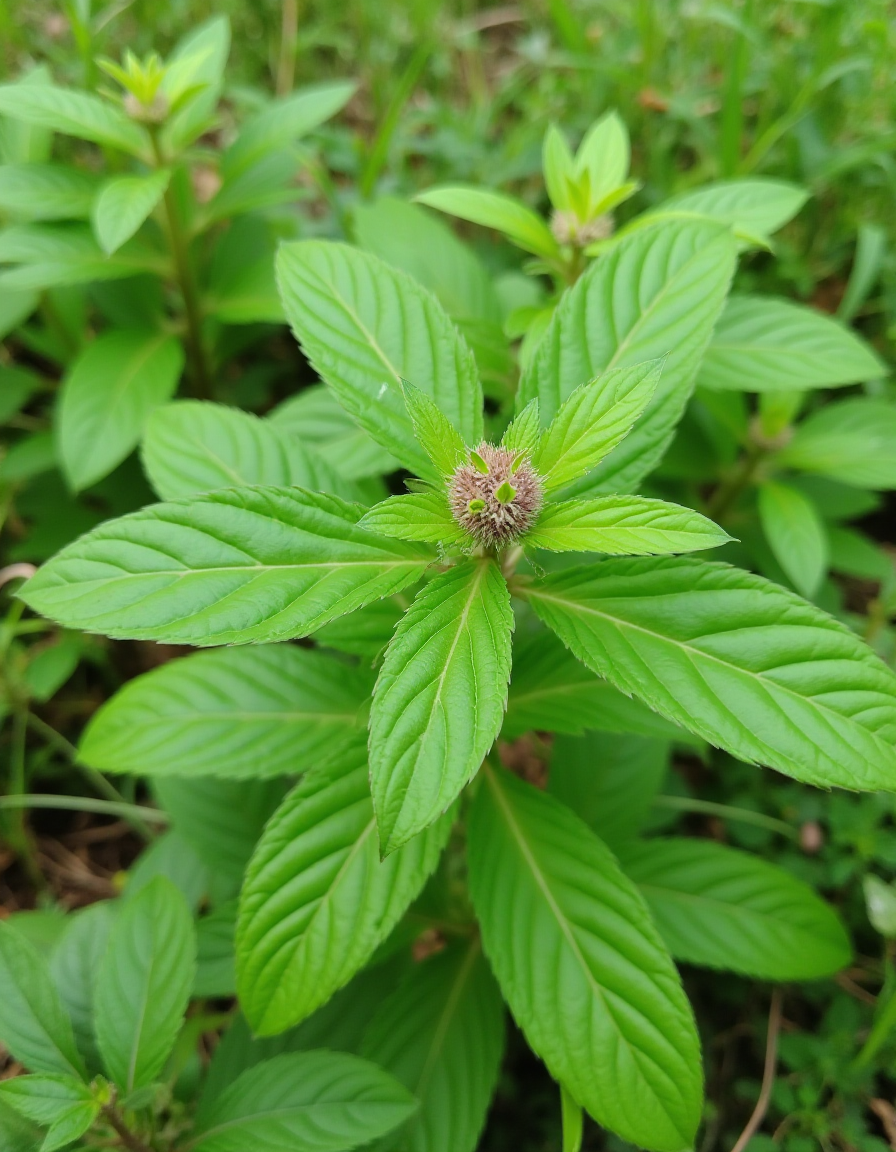
Holy Basil tea, made from the leaves of the Ocimum tenuiflorum (also known as Ocimum sanctum) plant, is one of the most revered herbs in Ayurvedic medicine. Known as “Tulsi” in Sanskrit, which means “the incomparable one,” Holy Basil has been cultivated and worshipped in India for thousands of years. Unlike the common basil used in cooking (Ocimum basilicum), holy basil is prized primarily for its medicinal properties rather than its culinary uses. It is classified as an adaptogen – a herb that helps the body resist the effects of stress by modulating the stress response system. Holy basil tea is particularly valued for its ability to lower cortisol, reduce anxiety, improve mental clarity, support immune function, and promote overall resilience. Unlike stimulants that provide a temporary energy boost followed by a crash, holy basil works cumulatively, building long-term resistance to the harmful effects of chronic stress.
If you’d like to try the herbal teas mentioned in this article for yourself, we’ve curated a selection of high-quality, tested sources below. Every product we recommend has been chosen for purity and potency, or visit our online Herbal Tea Shop for even more choice.
Looking for a specific herbal tea? Browse the full A–Z list here:
Herbal Teas A-Z List
Get the Free Herbal Tea Shop Cheat Sheet
What Holy Basil tea is and how it works
Holy basil (Ocimum tenuiflorum) is a perennial flowering plant native to the Indian subcontinent. It has been used in Ayurvedic medicine for over three thousand years and is considered a sacred plant in Hinduism, often grown in courtyards and temples. There are several varieties of Tulsi, including Rama Tulsi (green leaves), Krishna Tulsi (purple leaves), and Vana Tulsi (wild forest variety). All have similar medicinal properties, though some traditions prefer one variety over another for specific purposes.
The primary active compounds in holy basil include eugenol, ursolic acid, rosmarinic acid, apigenin, and various flavonoids and terpenes. These compounds work through several mechanisms: cortisol modulation (reducing elevated cortisol levels, the primary stress hormone), GABAergic activity (influencing the calming neurotransmitter GABA), antioxidant effects (protecting cells from oxidative damage), anti-inflammatory actions (reducing systemic inflammation), immune modulation (supporting the body’s defence systems), and neuroprotective properties (protecting brain cells from damage). When prepared as a tea, these compounds are extracted into the water, providing a gentle but effective way to support the body’s stress response systems.
Unlike acute anti-anxiety herbs that work quickly but temporarily, holy basil is an adaptogen that works cumulatively. The benefits build over days and weeks of consistent use, making it particularly valuable for chronic stress management rather than acute symptom relief. It helps the body “adapt” to stressors, returning to balance more quickly after stressful events and maintaining stability during ongoing challenges.
Key health benefits of Holy Basil tea
Stress and anxiety reduction is the most well-documented benefit of holy basil tea. Multiple clinical studies have shown that holy basil significantly reduces perceived stress levels, lowers cortisol, and improves stress resilience. Unlike benzodiazepines and other pharmaceutical anxiolytics, holy basil does not cause dependency, tolerance, or significant next-day drowsiness. It works by normalising the stress response system rather than simply sedating the nervous system. For individuals who feel overwhelmed, exhausted by stress, or constantly “on edge,” holy basil can be transformative. It is particularly useful for the kind of stress that leaves you feeling depleted rather than wired.
Cognitive function and mental clarity are improved by holy basil. Unlike some calming herbs that can cause mental fogginess, holy basil tends to clarify thinking while reducing stress. It has been shown to improve memory, attention, and information processing speed. For individuals experiencing stress-related “brain fog,” difficulty concentrating, or mental fatigue, holy basil tea can help restore clarity. This makes it particularly valuable for daytime use when focus is still required.
Immune system support is another significant benefit. Chronic stress suppresses immune function, making you more susceptible to colds, flu, and other infections. Holy basil has been shown to increase the activity of natural killer cells and other immune markers, helping the body resist infections. It also has antimicrobial properties that may help fight bacteria and viruses directly. Regular holy basil tea consumption during cold and flu season may help keep you healthier.
Blood sugar regulation has been demonstrated in several studies. Holy basil may help lower blood glucose levels and improve insulin sensitivity. For individuals with prediabetes or type 2 diabetes, holy basil tea may offer modest supportive benefits alongside conventional treatment. It is important to monitor blood sugar levels when adding holy basil to your routine, as it may enhance the effects of diabetes medications.
Lipid and cholesterol support is another area where holy basil shows promise. Some studies suggest that holy basil can help lower LDL (“bad”) cholesterol and triglycerides while supporting HDL (“good”) cholesterol. These effects contribute to overall cardiovascular health.
Inflammatory conditions may benefit from holy basil’s powerful anti-inflammatory properties. The eugenol and rosmarinic acid in holy basil have been shown to reduce inflammatory markers in the body. For individuals with chronic inflammatory conditions such as arthritis, asthma, or inflammatory bowel disease, holy basil tea may offer supportive benefits.
Respiratory health is a traditional use of holy basil. It has expectorant and bronchodilatory properties that can help loosen mucus and open airways. Holy basil tea is often used for coughs, colds, bronchitis, and asthma. Its antimicrobial properties also help fight respiratory infections.
Metabolic health is supported by holy basil’s effects on multiple systems. By reducing stress, lowering cortisol, improving blood sugar regulation, and supporting lipid profiles, holy basil addresses several risk factors for metabolic syndrome.
How to prepare Holy Basil tea
Holy basil tea can be prepared from dried or fresh leaves. From dried leaves: Use one to two teaspoons of dried holy basil leaves per cup of water. Pour freshly boiled water over the leaves and steep for 5–10 minutes. Longer steeping produces a stronger, more medicinal flavour. From fresh leaves: Use a small handful of fresh holy basil leaves (about 5–10 leaves) per cup. Gently bruise the leaves to release their oils before steeping. Steep for 5–10 minutes. Flavour: Holy basil tea has a complex flavour that is simultaneously clove-like, peppery, slightly sweet, and slightly bitter. It is aromatic and warming, with a distinctive taste that many people find pleasant and others take time to acquire. Blending: Holy basil blends beautifully with other calming and adaptogenic herbs. Classic combinations include holy basil and ashwagandha (for stress resilience), holy basil and chamomile (for evening relaxation), holy basil and lemon balm (for mild anxiety), and holy basil and ginger (for respiratory support). Sweetening: A small amount of honey or a cinnamon stick can help balance holy basil’s bitter notes.
How to use Holy Basil tea safely
Holy basil tea is generally safe for most people when consumed in moderate amounts—one to three cups daily. However, several precautions apply.
Pregnancy and breastfeeding: Holy basil is traditionally used in Ayurvedic medicine to promote fertility but is also believed to have mild uterine-stimulating effects. Pregnant women should avoid medicinal doses (strong tea consumed regularly) or consult a healthcare provider. Breastfeeding women should also exercise caution due to limited safety data.
Blood thinners: Holy basil may have mild blood-thinning properties due to its eugenol content. If you take warfarin, aspirin, or other anticoagulants, consult your healthcare provider before regular use.
Blood sugar medications: Holy basil may lower blood sugar. If you take diabetes medications or insulin, monitor your blood sugar closely when adding holy basil to your routine. Your medication dosage may need adjustment.
Blood pressure medications: Holy basil may lower blood pressure. If you take antihypertensive medications, monitor your blood pressure and consult your healthcare provider.
Sedatives and anti-anxiety medications: Holy basil may potentiate the effects of benzodiazepines, barbiturates, and other sedatives. Consult your healthcare provider before combining.
Hypothyroidism: Some studies suggest that holy basil may lower thyroid hormone levels. Individuals with hypothyroidism taking thyroid medication should monitor their levels and consult their healthcare provider.
Fertility: Holy basil has traditional use as a fertility-promoting herb. While this is not necessarily a safety concern, it is worth noting for those trying to conceive or avoid pregnancy.
Surgery: Holy basil may affect blood sugar and blood pressure and may interact with anaesthesia. It is generally recommended to discontinue use at least two weeks before scheduled surgery.
Recommended dosage
For general stress management and wellness, one to two cups of holy basil tea daily is sufficient. For more pronounced benefits – such as reducing moderate to severe stress, improving cognitive function, or supporting immune health – two to three cups daily may be consumed. Because holy basil works cumulatively, consistency is more important than quantity. Benefits typically become noticeable after two to four weeks of daily use. Many people choose to take holy basil daily for several months, then take a break for one to two weeks before resuming.
Limitations of holy basil tea
Holy basil tea is not a substitute for medical treatment, particularly for clinical anxiety disorders, depression, diabetes, or thyroid conditions. Its effects are modest and work best as part of a broader approach that includes stress management techniques, adequate sleep, a balanced diet, and regular exercise. Claims that holy basil “cures” anxiety, diabetes, or thyroid disorders are unsupported; it is best understood as a supportive tool for overall health and stress resilience.
FAQ
What is holy basil tea good for?
Holy basil tea is primarily used for stress reduction, anxiety relief, cognitive support, immune function, blood sugar regulation, and anti-inflammatory support. It is an adaptogen that helps the body resist and recover from chronic stress.
Is holy basil tea the same as regular basil tea?
No. Holy basil (Ocimum tenuiflorum) is a different species from common culinary basil (Ocimum basilicum). While both are in the same genus, they have different chemical profiles and medicinal properties. Common basil is not considered an adaptogen and has much milder stress-reducing effects.
Does holy basil tea make you sleepy?
Holy basil promotes relaxation and reduces stress, but it does not typically cause significant drowsiness. Unlike valerian or passionflower, holy basil is often used during the day to improve mental clarity while reducing stress. Most people do not experience next-day drowsiness.
How long does it take for holy basil tea to work?
Holy basil is an adaptogen that works cumulatively rather than acutely. Most people notice benefits after two to four weeks of consistent daily use. For stress reduction, effects continue to build over several months.
Is holy basil tea safe to drink every day?
Yes, holy basil tea is generally safe for daily use for most healthy adults. However, many practitioners recommend cycling adaptogens – taking them for several months, then taking a one to two week break – to prevent tolerance and allow the body to reset.
Conclusion
Holy basil tea – Tulsi – offers a gentle, adaptogenic approach to stress management that works with the body’s own regulatory systems rather than overriding them. Its ability to lower cortisol, reduce anxiety, improve mental clarity, support immune function, and regulate blood sugar makes it one of the most versatile adaptogenic herbs available. Unlike acute remedies that mask symptoms, holy basil addresses the underlying dysregulation of the stress response system, building long-term resilience. Used consistently as part of a daily wellness routine, holy basil tea can help you feel more balanced, clear-headed, and capable of handling life’s challenges.
Recommended Products
If you’d like to try the above herbal teas for yourself, we’ve curated a selection of high-quality, tested sources below. Every product we recommend has been chosen for purity and potency, or visit our online Herbal Tea Shop for even more choice.
Holy Basil (Tulsi) tea (loose leaf): https://amzn.to/4dsdpgJ
Holy Basil (Tulsi) tea bags: https://amzn.to/4tx4RKg
Ashwagandha root tea (loose leaf): https://amzn.to/4sKLQEh
Chamomile tea (loose leaf): https://amzn.to/3Pv6zgo
Lemon balm tea (loose leaf): https://amzn.to/4bA4NlH
Ginger tea (loose leaf): https://amzn.to/3PmSWQw
Manuka Honey: https://amzn.to/47p7i9g
High-quality Garlic press: https://amzn.to/4sFBsxD
Tea infuser: https://amzn.to/4lAToGE
Glass teapot: https://amzn.to/4snGsGY
Storage boxes: https://amzn.to/47UQgQf
Assortment Box: https://amzn.to/3NFO9ZJ
Visit our online Herbal Tea Shop for more choice!
Do you read novels? Visit our bookshop to check out the ‘culturally grounded, Otherworldly narratives’ by Owen Jones.
Looking for a specific herbal tea? Browse the full A–Z list here:
Herbal Teas A-Z List
Get the Free Herbal Tea Shop Cheat Sheet
Further Reading
For a full evidence-based overview of herbal tea benefits, safety, and quality considerations, read our complete guide to Herbal Tea Benefits
1] For more on adaptogens and stress management, see:
Herbal Teas for Stress Management
2] For general anxiety support, see:
Best Herbal Teas for Anxiety and Stress Relief
3] For another powerful adaptogen, see:
Ashwagandha Tea
4] For immune support during cold and flu season, see:
Herbal Tea for Inflammation
5] For safety guidance on herbal teas, see:
Are Herbal Teas Safe?
6] For potential interactions with medications, see:
Herbal Tea and Medication
7] For creating a calming daily ritual, see:
Creating a Personal Tea Ritual
Visit our bookshop to check out the ‘culturally grounded, Otherworldly narratives’ by Owen Jones.
References
1] National Center for Complementary and Integrative Health (NCCIH) – Holy Basil:
https://www.nccih.nih.gov/health/holy-basil
Provides evidence-based information on holy basil safety and research.
2] National Institutes of Health (NIH) – Tulsi and Stress:
https://www.ncbi.nlm.nih.gov/pmc/articles/PMC4296439/
Peer-reviewed study on holy basil’s adaptogenic and stress-reducing effects.
3] Journal of Ayurveda and Integrative Medicine – Holy Basil Review:
https://www.ncbi.nlm.nih.gov/pmc/articles/PMC4296439/
Comprehensive review of holy basil’s medicinal properties.
4] Cleveland Clinic – Tulsi Tea Benefits:
https://health.clevelandclinic.org/tulsi-tea-benefits
Provides practical guidance on holy basil tea uses and benefits.
Looking for a specific herbal tea? Browse the full A–Z list here:
Herbal Teas A-Z List
Get the Free Herbal Tea Shop Cheat Sheet