

The ancient herb for hair, skin, and nails
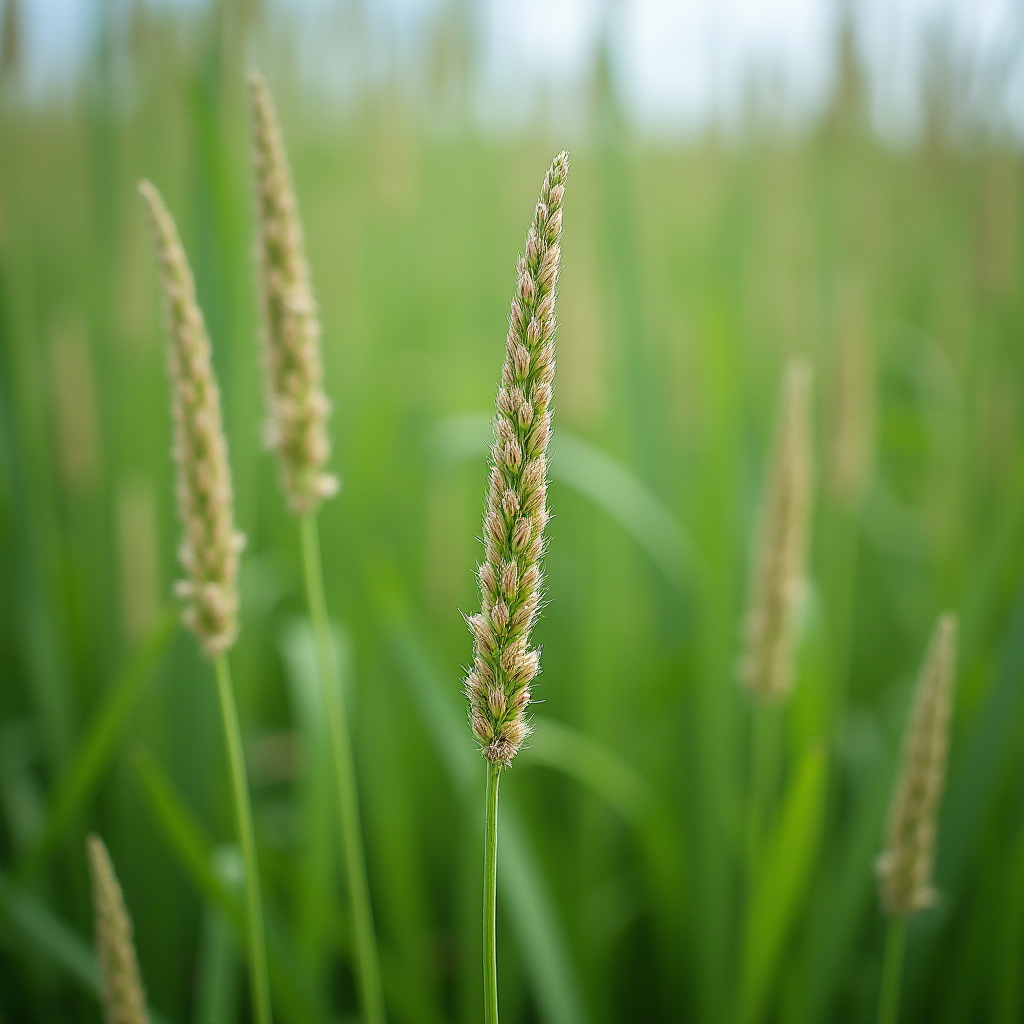
Horsetail tea is made from the hollow, jointed stems of the Equisetum arvense plant. It is one of the richest natural sources of silica – a mineral essential for healthy hair, skin, nails, and bones. Horsetail is a living fossil, a remnant of a plant family that dominated the earth millions of years ago. Its name comes from the bushy, tail-like appearance of its sterile stems. For centuries, horsetail has been used in traditional European and Chinese medicine to strengthen brittle nails, improve hair growth, heal wounds, and support bone health. Modern research has confirmed that the silica in horsetail is bioavailable and can be deposited in connective tissue. Horsetail is potent and should be used with respect. It is not for daily long-term use. But for those seeking to strengthen weak nails, improve hair condition, or support bone density, horsetail is a powerful ally.
“If you’d like to try the above herbal teas for yourself, we’ve curated a selection of high-quality, tested sources below. Every product we recommend has been chosen for purity and potency, or visit our online Herbal Tea Shop for even more choice”.
Looking for a specific herbal tea? Browse the full A–Z list here:
Herbal Teas A-Z List
Get the Free Herbal Tea Shop Cheat Sheet
What horsetail tea is and how it works
Horsetail (Equisetum arvense) is a perennial plant that grows in damp, sandy soils throughout Europe, Asia, and North America. It is a descendant of giant horsetails that grew 300 million years ago during the Carboniferous period. The plant contains high levels of silica (10–25% of its dry weight), as well as flavonoids, phenolic acids, alkaloids, and minerals including potassium, manganese, and magnesium.
The primary active compound in horsetail is silica (silicon dioxide). When you drink horsetail tea, the silica is absorbed and deposited in connective tissues – skin, hair, nails, bones, tendons, and ligaments. Silica is essential for collagen production, which gives these tissues their strength and elasticity.
Horsetail also contains antioxidant flavonoids that protect cells from oxidative damage and have mild diuretic and anti-inflammatory effects.
Unlike gentle herbs that can be consumed daily for months, horsetail is potent. The plant also contains thiaminase, an enzyme that breaks down thiamine (vitamin B1). Regular or long-term use can lead to thiamine deficiency.
Key health benefits of horsetail tea
Hair strength and growth is one of the most common uses of horsetail tea. Silica strengthens hair shafts, reducing breakage and improving shine. By supporting collagen production in the scalp, horsetail may also create a healthier environment for hair growth. For those with weak, brittle hair that breaks easily, horsetail tea can help.
Nail strength is another well-documented benefit. Silica helps harden the keratin in nails, reducing splitting, peeling, and brittleness. Regular consumption of horsetail tea may lead to noticeably stronger nails within a few months.
Bone health is supported by silica, which plays a role in bone mineralisation. Some studies suggest that silica helps calcium be absorbed and used more effectively. For those concerned about osteoporosis or age-related bone loss, horsetail tea may offer supportive benefits.
Skin elasticity and wound healing come from silica’s role in collagen production. Collagen gives skin its structure and firmness. By supporting collagen synthesis, horsetail tea may help maintain skin elasticity and speed the healing of minor wounds.
Connective tissue support extends to tendons and ligaments. Silica helps maintain the strength and flexibility of all connective tissues, which can be beneficial for joint health and injury recovery.
Diuretic effects are a traditional use of horsetail. It increases urine output, which can help with mild fluid retention. However, this diuretic effect also increases the risk of thiamine loss.
How to prepare horsetail tea
Horsetail requires a decoction rather than a simple steep. Decoction method: Use one to two teaspoons of dried horsetail per cup of water. Place the herb in a saucepan with cold water. Bring to a boil, then reduce heat and simmer for 10–15 minutes. Strain and serve. From tea bags: Use one tea bag per cup. Steep in freshly boiled water for 5–10 minutes. Flavour: Horsetail tea has a mild, earthy, slightly grassy flavour. It is not bitter and is relatively pleasant compared to many medicinal herbs. Blending: Horsetail blends well with nettle (for hair and nails) or peppermint (for flavour).
How to use horsetail tea safely
Horsetail is potent and requires several important precautions.
Do not use long-term. Horsetail contains thiaminase, which breaks down thiamine (vitamin B1). Long-term use can lead to thiamine deficiency, which can cause neurological problems. Limit use to one to two weeks at a time. Take a break of at least one week before resuming.
Thiamine deficiency risk. If you use horsetail regularly, ensure adequate thiamine intake from your diet or a B-complex supplement.
Pregnancy and breastfeeding: Horsetail should be avoided during pregnancy and breastfeeding due to limited safety data and the presence of nicotine and other alkaloids.
Kidney disease: Horsetail has diuretic effects. Those with kidney disease should consult a healthcare provider before use.
Heart conditions: Horsetail may affect electrolyte balance. Those with heart conditions should consult a healthcare provider before use.
Diabetes: Horsetail may lower blood sugar. Monitor your levels if you have diabetes.
Blood thinners: Horsetail may have mild blood-thinning properties. Consult your healthcare provider before regular use.
Children: Horsetail is not recommended for children due to the risk of thiamine deficiency.
Recommended dosage
For hair, skin, and nail support, one cup of horsetail tea daily for up to two weeks is sufficient. Do not exceed one cup per day. Do not use for more than two weeks without a break. Because horsetail works cumulatively, benefits typically become noticeable after several weeks of consistent use (in cycles).
Limitations of horsetail tea
Horsetail tea is not a substitute for medical treatment, particularly for osteoporosis, connective tissue disorders, or severe hair loss. Its effects are mild and work best as part of a broader approach that includes a balanced diet rich in silica (whole grains, vegetables, nuts) and adequate protein. The thiaminase content means horsetail is not safe for long-term daily use. Use it in cycles. Claims that horsetail “cures” osteoporosis or “reverses” hair loss are unsupported; it is best understood as a supportive tool for connective tissue health.
FAQ
Is horsetail tea good for hair growth?
Yes. Horsetail is rich in silica, which strengthens hair shafts, reduces breakage, and improves shine. It supports collagen production in the scalp.
Does horsetail tea make nails stronger?
Yes. Silica helps harden the keratin in nails, reducing splitting, peeling, and brittleness. Regular use (in cycles) can lead to noticeably stronger nails.
Is horsetail tea safe to drink every day?
No. Horsetail contains thiaminase, which breaks down thiamine (vitamin B1). Use it in cycles – one to two weeks on, one week off. Do not use daily for extended periods.
What does horsetail tea taste like?
Horsetail tea has a mild, earthy, slightly grassy flavour. It is not bitter and is relatively pleasant compared to many medicinal herbs.
Can horsetail tea help with osteoporosis?
Horsetail contains silica, which plays a role in bone mineralisation. It may offer supportive benefits for bone health, but it is not a treatment for osteoporosis. Consult a healthcare provider for proper diagnosis and treatment.
Conclusion
Horsetail tea is a potent source of silica for hair, skin, nails, and bones. It strengthens brittle nails, improves hair condition, and supports connective tissue health. But it is not a daily tea. The thiaminase content means it must be used in cycles – one to two weeks on, one week off. Used responsibly, horsetail tea can be a powerful ally for anyone seeking to improve the strength and appearance of their hair, nails, and skin.
Recommended Products
If you’d like to try the above herbal teas for yourself, we’ve curated a selection of high-quality, tested sources below. Every product we recommend has been chosen for purity and potency, or visit our online Herbal Tea Shop for even more choice.
Horsetail tea (loose leaf): https://amzn.to/4cQA0BG
Nettle tea (loose leaf): https://amzn.to/4bHUsnA (for blending)
Peppermint tea (loose leaf): https://amzn.to/4lIQSyi (for blending)
Manuka Honey: https://amzn.to/47p7i9g
High-quality Garlic press: https://amzn.to/4sFBsxD
Tea infuser: https://amzn.to/4lAToGE
Glass teapot: https://amzn.to/4snGsGY
Storage boxes: https://amzn.to/47UQgQf
Assortment Box: https://amzn.to/3NFO9ZJ
Visit our online Herbal Tea Shop for more choice!
Do you read novels? Visit our bookshop to check out the ‘culturally grounded, Otherworldly narratives’ by Owen Jones.
Looking for a specific herbal tea? Browse the full A–Z list here:
Herbal Teas A-Z List
Get the Free Herbal Tea Shop Cheat Sheet
Further Reading
For a full evidence-based overview of herbal tea benefits, safety, and quality considerations, read our complete guide to Herbal Tea Benefits
1] For more on hair growth, see:
Herbal Teas for Hair Growth
2] For skin and nail health, see:
Herbal Teas for Health and Beauty
3] For bone health, see:
Nettle Tea
4] For safety guidance on herbal teas, see:
Are Herbal Teas Safe?
5] For potential interactions with medications, see:
Herbal Tea and Medication
References
1] National Center for Complementary and Integrative Health (NCCIH) – Horsetail
Provides evidence-based information on horsetail safety and research. Warns about thiaminase and nicotine content.
2] European Medicines Agency – Horsetail
Offers regulatory and safety assessments for horsetail preparations.
3] Mount Sinai – Horsetail
Provides traditional and clinical information on horsetail uses.
4] Cleveland Clinic – Natural Remedies for Nail Health
Provides practical recommendations for natural nail care.