

Natural support for stronger, fuller, healthier hair
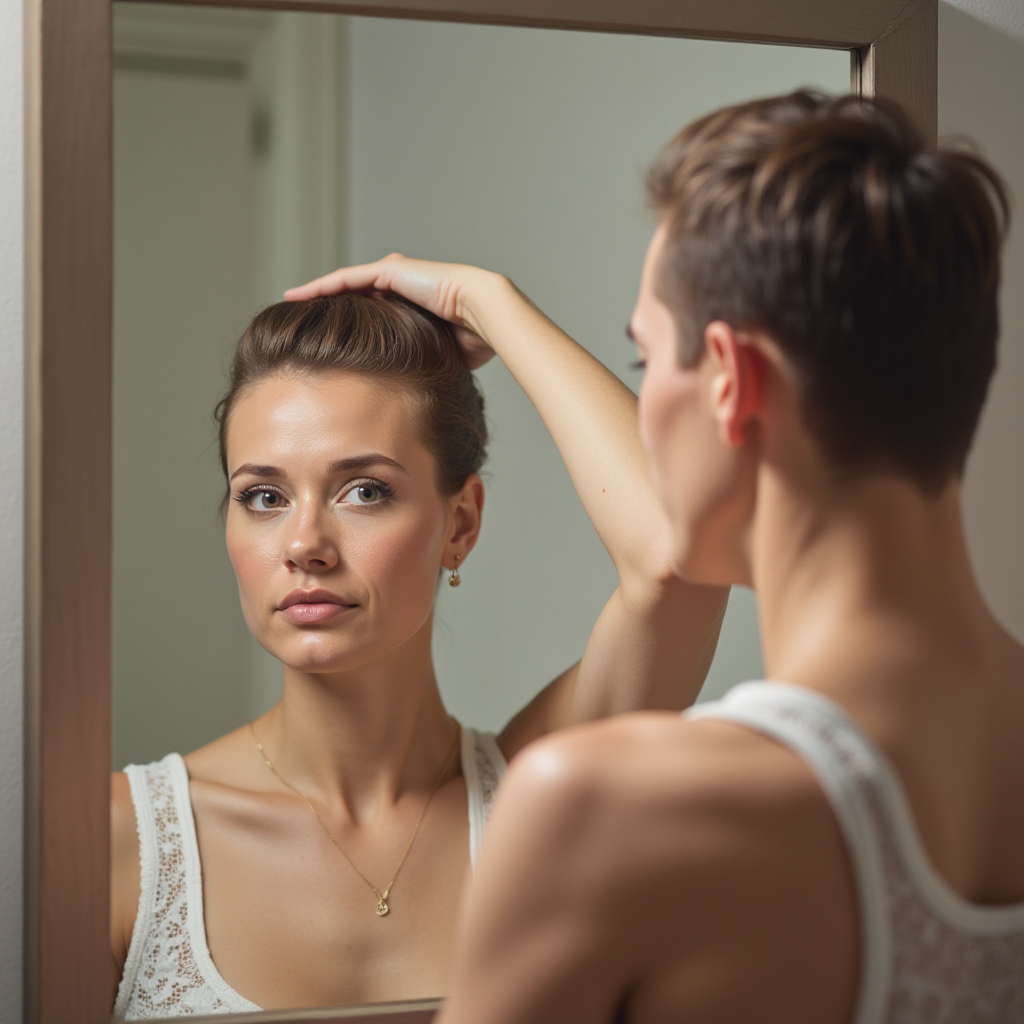
You have tried the serums. You have tried the expensive shampoos. You have tried the vitamins. Yet your hair still thins, breaks, and refuses to grow. Hair loss affects millions of people – men and women, young and old. It can be caused by genetics, hormones, stress, nutrient deficiencies, poor scalp circulation, or inflammation. While expensive hair growth serums promise dramatic results, they rarely deliver. Herbal teas for hair growth offer a different approach – working from the inside out to address the root causes of thinning and slow growth. Certain herbs improve scalp circulation, provide essential minerals like silica and iron, balance hormones, reduce inflammation, and nourish hair follicles. No expensive serum required. Read on to find out more.
Health and Beauty Support Topics:
1] Herbal Tea for Glowing Skin
2] Anti-Ageing Herbal Teas
3] Herbal Tea for Acne-free Clear Skin
4] Herbal Teas for Dark Circles
5] Herbal Teas for Hair Growth
6] Herbal Teas for Dull Skin
7] Home – Health & Beauty
8] Home – Herbal Tea Benefits
9] The Herbal Tea Shop
“If you’d like to try the herbal teas mentioned in this article for yourself, we’ve curated a selection of high-quality, tested sources below. Every product we recommend has been chosen for purity and potency, or visit our online Herbal Tea Shop for even more choice”.
Looking for a specific herbal tea? Browse the full A–Z list here:
Herbal Teas A-Z List
Get the Free Herbal Tea Shop Cheat Sheet
What causes poor hair growth?
Hair grows in cycles. The anagen (growth) phase lasts 2–7 years. The catagen (transition) phase lasts about two weeks. The telogen (resting) phase lasts 2–4 months, after which hair falls out and new hair begins to grow. Problems arise when the growth phase shortens, when inflammation damages follicles, or when nutrients are lacking.
Genetics is the most common cause of hair loss. Male and female pattern baldness affects up to 50% of men and women by age 50.
Hormonal changes can trigger hair thinning. Pregnancy, menopause, thyroid disorders, and conditions like PCOS all affect hair growth.
Stress pushes hair follicles into the resting phase prematurely. Telogen effluvium – stress-related shedding – can occur 2–3 months after a stressful event.
Nutrient deficiencies – particularly iron, zinc, silica, and B vitamins – impair hair growth. The body prioritises essential organs over hair, so when nutrients are low, hair suffers first.
Poor scalp circulation means less oxygen and fewer nutrients reach the hair follicles.
Inflammation damages hair follicles and can trigger autoimmune hair loss conditions like alopecia areata.
How herbal teas help with hair growth
The best herbal teas for hair growth work through several mechanisms that address the underlying causes of thinning and slow growth.
Iron-rich herbs help correct iron deficiency, which is a common cause of hair loss, especially in women. Iron is essential for hair follicle function.
Silica-rich herbs provide the mineral that strengthens hair and improves elasticity. Silica also supports collagen production, which keeps the scalp healthy.
Anti-inflammatory herbs calm the inflammation that can damage hair follicles and trigger shedding.
Circulation-boosting herbs improve blood flow to the scalp, delivering more oxygen and nutrients to hair follicles.
Adaptogenic herbs help the body manage stress, reducing stress-related shedding.
Hormone-balancing herbs can help address hormonal causes of hair thinning, particularly in women with PCOS or menopausal hair loss.
The best herbal teas for hair growth
Nettle tea is one of the most effective herbal teas for hair growth. It is rich in silica and iron, two nutrients essential for healthy hair. Silica strengthens hair, improves elasticity, and reduces breakage. Iron corrects deficiency-related shedding. Nettle also contains vitamin C, which helps the body absorb iron, and has anti-inflammatory properties that calm scalp irritation. For hair growth, drink nettle tea daily for at least three months. This is the closest you will get to a natural hair growth serum.
Hibiscus tea is rich in amino acids and vitamin C, which support collagen production. Collagen is essential for healthy hair follicles and a strong scalp. Hibiscus also contains antioxidants that protect hair follicles from oxidative damage. In traditional medicine, hibiscus is used as a hair rinse to add shine and strength. Drinking it provides systemic support. For best results, drink hibiscus tea and use cooled hibiscus tea as a final hair rinse.
Rosemary tea improves scalp circulation, which delivers more oxygen and nutrients to hair follicles. Poor circulation is a common cause of slow hair growth. Rosemary also has anti-inflammatory properties that can help with dandruff and scalp irritation. Some studies suggest that rosemary works as effectively as 2% minoxidil for androgenetic alopecia. Drink rosemary tea daily and use cooled rosemary tea as a scalp spray.
Green tea is rich in catechins, particularly EGCG, which have been shown to stimulate hair follicles and prolong the growth phase. Green tea also reduces inflammation and protects hair follicles from damage. The caffeine in green tea may also help stimulate hair growth by increasing circulation to the scalp. Drink one to two cups daily.
Saw Palmetto tea is a traditional remedy for hormonal hair loss. It may block 5-alpha-reductase, the enzyme that converts testosterone to DHT – the hormone responsible for pattern baldness. While saw palmetto is more commonly taken as a supplement, the tea is a gentler option. Results are modest but may be noticeable after several months of consistent use.
Horsetail tea is one of the richest natural sources of silica. Silica strengthens hair, reduces breakage, and improves shine. Horsetail also contains antioxidants that protect hair follicles. However, horsetail should be used with caution and not for extended periods. It may interact with diuretics and thiamine (vitamin B1) levels. Use horsetail tea occasionally, not daily.
Ashwagandha tea helps the body manage stress, which is a major cause of stress-related shedding. Ashwagandha lowers cortisol levels, reducing the number of hair follicles pushed into the resting phase. It works cumulatively, with benefits typically noticeable after two to four weeks of consistent daily use.
Spearmint tea has anti-androgen effects that can help women with PCOS-related hair thinning. By lowering free testosterone, spearmint reduces the hormonal drive behind hair loss. Studies have focused on spearmint for acne and hirsutism, but the same mechanism may benefit hair growth. Drink two cups daily for several months.
Calendula tea has anti-inflammatory and antimicrobial properties that can help with scalp conditions like dandruff, psoriasis, and seborrheic dermatitis. A healthy scalp is essential for healthy hair growth. Drink calendula tea and use cooled tea as a scalp rinse.
“If you’d like to try the above herbal teas for yourself, we’ve curated a selection of high-quality, tested sources below. Every product we recommend has been chosen for purity and potency, or visit our online Herbal Tea Shop for even more choice”.
Scalp care – the foundation of hair growth
Healthy hair starts with a healthy scalp. If your scalp is inflamed, irritated, or dry, hair follicles cannot function properly. These herbs can help.
Nettle and rosemary improve scalp circulation and reduce inflammation.
Calendula and chamomile calm irritated scalps and reduce dandruff.
Tea tree has antimicrobial properties that can help with fungal scalp conditions, though it is more commonly used as an oil than a tea.
How to use herbal teas for scalp care: Brew a strong tea, let it cool, and use it as a final rinse after shampooing. Massage into the scalp. Leave for five minutes, then rinse with cool water. Do this 2–3 times per week.
How to use herbal teas for hair growth effectively
Consistency is key. Hair grows slowly – about half an inch per month. You will not see results in a week. Drink one to three cups of hair-supporting herbal tea daily for at least three to six months.
Combine internal and external use. Drink the tea. Also use cooled tea as a scalp rinse or spray. This delivers the active compounds directly to the hair follicles.
Take a hair growth serum approach. While expensive serums promise results, these teas work from within. Think of them as a natural alternative to hair growth serums – no chemicals, no side effects, just herbs.
Address underlying causes. If your hair loss is caused by iron deficiency, focus on nettle. If it is stress-related, focus on ashwagandha. If it is hormonal, focus on spearmint or saw palmetto.
Be patient with genetic hair loss. If your hair loss is inherited, you may not be able to reverse it completely. Herbal teas can still improve hair strength, reduce breakage, and slow further loss, but expectations should be realistic.
Support with lifestyle changes. Adequate protein intake, stress management, good sleep, and gentle hair care all support hair growth. Herbal teas work best alongside these habits.
Safety considerations
Most herbal teas for hair growth are safe for regular use. However, several precautions apply.
Horsetail tea should be used occasionally, not daily. Long-term use may cause thiamine (vitamin B1) deficiency. Do not use if you take diuretics.
Nettle tea may interact with blood-thinning medications and diuretics.
Saw palmetto tea may affect hormone levels. Consult a healthcare provider if you have a hormone-sensitive condition or are taking hormonal medications.
Spearmint tea should be used with caution by pregnant women or those with hormone-sensitive conditions, as it can affect androgen levels.
Ashwagandha should be used with caution by those with thyroid conditions, as it can increase thyroid hormone levels. Pregnant women should avoid ashwagandha.
If you are pregnant, breastfeeding, or taking medication, consult a healthcare provider before adding new herbs to your routine.
FAQ
What is the best herbal tea for hair growth?
Nettle tea is one of the most effective because it is rich in silica and iron. For stress-related shedding, ashwagandha is best. For hormonal hair loss, spearmint or saw palmetto may help.
How long does it take for herbal tea to improve hair growth?
Hair grows slowly. Most people notice less shedding after 2–3 months and visible new growth after 6 months of consistent daily use.
Can herbal tea work like a hair growth serum?
While expensive serums promise results, herbal teas work from within – addressing nutrient deficiencies, reducing inflammation, and balancing hormones. They are a natural alternative, not a quick fix.
Does rosemary tea really help with hair growth?
Yes. Rosemary improves scalp circulation and has been shown in studies to work as effectively as 2% minoxidil for androgenetic alopecia. Drink it and use it as a scalp rinse.
Can I drink herbal tea for hair growth if I have alopecia?
Yes, but results vary. Alopecia areata (autoimmune) may respond to anti-inflammatory herbs like nettle and calendula. Pattern baldness may respond to circulation-boosting herbs like rosemary. Consult a healthcare provider for proper diagnosis.
Conclusion
Herbal teas for hair growth offer a natural, gentle way to support stronger, fuller, healthier hair from within. Nettle provides silica and iron. Rosemary improves scalp circulation. Ashwagandha reduces stress-related shedding. Spearmint balances hormones. Hibiscus strengthens hair follicles. While expensive hair growth serums promise results, these teas work from the inside out – addressing the root causes of thinning and slow growth. By matching the herb to your specific type of hair loss and using it consistently for several months, you can support your hair’s natural growth cycle and improve its strength, shine, and density.
Recommended Products
If you’d like to try the above herbal teas for yourself, we’ve curated a selection of high-quality, tested sources below. Every product we recommend has been chosen for purity and potency, or visit our online Herbal Tea Shop for even more choice.
👉 Best to try first: Nettle Tea
Nettle is rich in silica and iron, two nutrients essential for healthy hair growth.
Start here:
Nettle tea (loose leaf): https://amzn.to/4bHUsnA
Nettle tea bags: https://amzn.to/47gzNWs
Hibiscus tea (loose leaf): https://amzn.to/4bzVBOd
Hibiscus tea bags: https://amzn.to/40IUXZB
Rosemary tea (loose leaf): https://amzn.to/4su67wN
Green tea (loose leaf): https://amzn.to/4lV0bLO
Green tea bags: https://amzn.to/4sx5CmB
Ashwagandha root tea (loose leaf): https://amzn.to/4sKLQEh
Spearmint tea (loose leaf): https://amzn.to/4bTpAAQ
Spearmint tea bags: https://amzn.to/41vhLMG
Calendula tea (loose leaf): https://amzn.to/3QbtyNO
Saw Palmetto tea (loose leaf): https://amzn.to/495hVi5
Horsetail tea (loose leaf): https://amzn.to/4cQA0BG
Manuka Honey: https://amzn.to/47p7i9g
High-quality Garlic press: https://amzn.to/4sFBsxD
Tea infuser: https://amzn.to/4lAToGE
Glass teapot: https://amzn.to/4snGsGY
Storage boxes: https://amzn.to/47UQgQf
Assortment Box: https://amzn.to/3NFO9ZJ
Visit our online Herbal Tea Shop for more choice!
Do you read novels? Visit our bookshop to check out the ‘culturally grounded, Otherworldly narratives’ by Owen Jones.
Looking for a specific herbal tea? Browse the full A–Z list here:
Herbal Teas A-Z List
Get the Free Herbal Tea Shop Cheat Sheet
Further Reading
For a full evidence-based overview of herbal tea benefits, safety, and quality considerations, read our complete guide to Herbal Tea Benefits
1] For more on skin and hair health, see:
Herbal Teas for Health and Beauty
2] For hormonal balance, see:
Spearmint Tea
3] For stress management, see:
Herbal Teas for Stress Management
4] For safety guidance on herbal teas, see:
Are Herbal Teas Safe?
References
1] National Health Service (NHS) – Hair loss
Provides medical guidance on causes and treatment options.
2] National Center for Complementary and Integrative Health (NCCIH) – Green Tea
Summarises research on green tea catechins and antioxidant effects.
3] Cleveland Clinic – Hair Growth and Nutrition
Provides practical recommendations for natural hair growth support.
4] American Academy of Dermatology – Hair loss: Diagnosis and treatment
Offers professional guidance on hair loss management.