

The fragrant flower that calms the mind and soothes the body
Lavender tea, made from the dried buds of the Lavandula angustifolia plant, is one of the most beloved herbal infusions for relaxation and calm. Its distinctive, sweet, floral aroma is recognised worldwide as a signal of tranquillity. While lavender is perhaps best known as an essential oil in aromatherapy, drinking lavender tea offers its own unique benefits. The same compounds that make lavender so effective when inhaled also work from within, entering the bloodstream through digestion and providing sustained calming effects throughout the body. Lavender tea is particularly valued for its ability to reduce anxiety, improve sleep quality, ease nervous tension, and soothe digestive discomfort. Unlike some stronger sedative herbs, lavender is gentle enough for regular use and has a pleasant, accessible flavour that appeals to many people.
Click the link for a comprehensive, evidence-based guide to the best herbal teas for inducing sleep, including specific herbs and use cases.
If you’d like to try the herbal teas mentioned in this artcle for yourself, we’ve curated a selection of high-quality, tested sources below. Every product we recommend has been chosen for purity and potency, or visit our online Herbal Tea Shop for even more choice.
Looking for a specific herbal tea? Browse the full A–Z list here:
Herbal Teas A-Z List
Get the Free Herbal Tea Shop Cheat Sheet
What lavender tea is and how it works
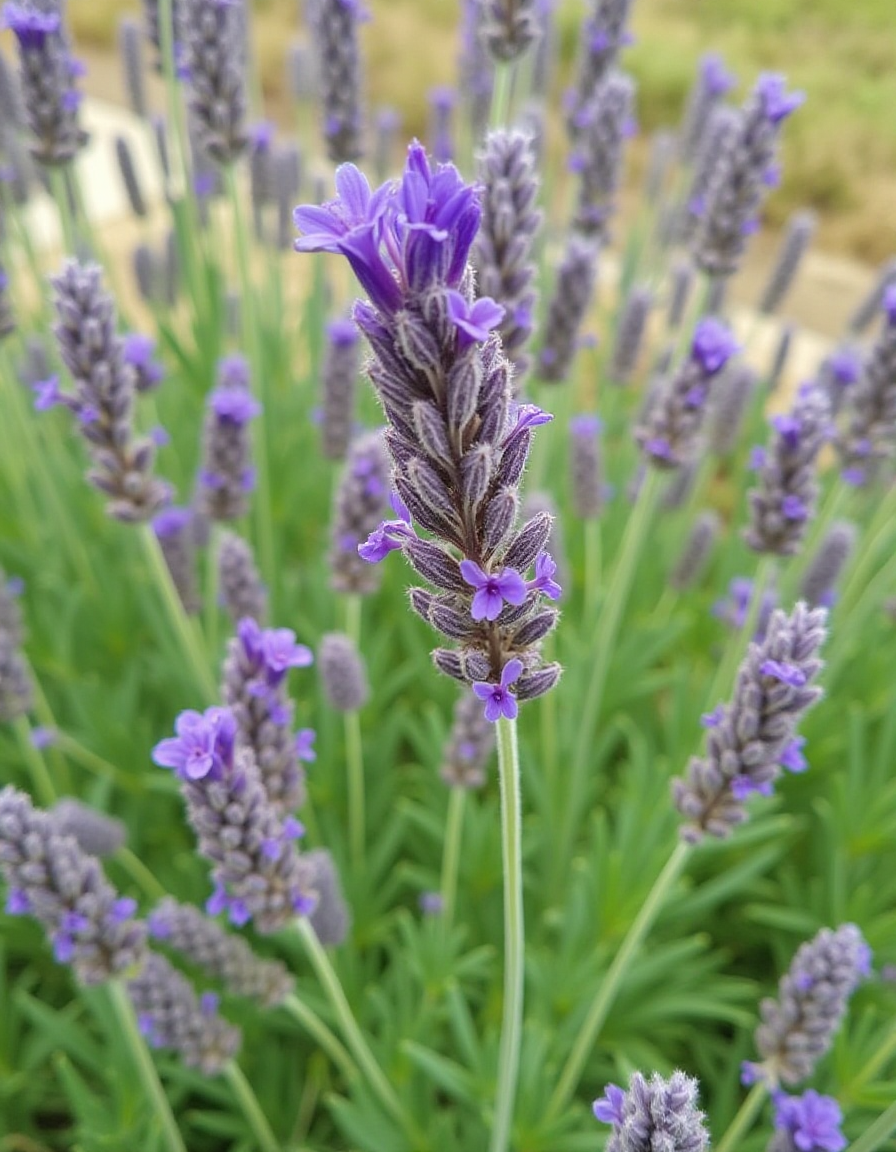
Lavender (Lavandula angustifolia), also known as English lavender or true lavender, is a flowering plant native to the Mediterranean region. Its small, purple-blue buds are harvested and dried for use in teas, culinary preparations, and aromatic products. The name “lavender” comes from the Latin lavare, meaning “to wash,” reflecting its historical use in bathing and cleansing rituals.
The primary active compounds in lavender include linalool and linalyl acetate, which are also found in many other aromatic plants. These compounds work through several mechanisms: GABAergic activity (influencing the calming neurotransmitter GABA), anxiolytic effects (reducing anxiety without significant sedation), antispasmodic properties (relaxing smooth muscle throughout the body), anti-inflammatory effects (reducing systemic inflammation), and antioxidant activity (protecting cells from oxidative damage). When prepared as a tea, these compounds are extracted into the water, providing a gentle but effective way to support relaxation and overall wellness.
Unlike some herbs that work primarily through taste or direct pharmacological pathways, lavender works partly through the olfactory system even when drunk. The aromatic compounds released into the steam and the tea itself stimulate the olfactory nerves, which have direct connections to the brain’s limbic system – the centre of emotion and memory. This is why lavender tea can feel calming almost immediately, even before the compounds have been absorbed into the bloodstream.
Key health benefits of lavender tea
Anxiety and stress reduction is the most well-known benefit of lavender tea. Multiple studies have shown that lavender can significantly reduce symptoms of generalised anxiety disorder, with some research suggesting it may be as effective as certain anti-anxiety medications for mild to moderate cases. Unlike benzodiazepines, lavender does not cause dependency, tolerance, or significant next-day drowsiness. It works by calming the nervous system without sedating it. For those who experience chronic worry, nervous tension, or stress-related sleep problems, lavender tea can be a valuable daily tool.
Sleep quality improvement is another significant benefit. Lavender has been shown to increase slow-wave (deep) sleep, reduce light sleep, and decrease the number of nighttime awakenings. Unlike pharmaceutical sleep aids that can alter normal sleep architecture, lavender appears to enhance natural sleep patterns. It is particularly useful for people whose poor sleep quality is driven by anxiety, racing thoughts, or an inability to “switch off” at night. A cup of lavender tea before bed can help signal to your brain that the day is over and rest is approaching.
Digestive comfort is a traditional use of lavender tea that is often overlooked. Lavender’s antispasmodic properties help relax the smooth muscle of the digestive tract, making it useful for cramping, bloating, and gas. Unlike peppermint, which can worsen acid reflux, lavender is gentle enough for most people with sensitive digestive systems. A cup of lavender tea after a heavy meal can ease that uncomfortable, overfull feeling.
Nervous tension and headaches can be eased by lavender tea. The same antispasmodic properties that relax digestive muscles also help relieve tension headaches, which are often caused by tight muscles in the neck, shoulders, and scalp. Lavender’s calming effects on the nervous system also address the mental component of tension headaches—the stress and worry that often accompany them.
Menstrual cramp relief is another traditional use of lavender. Its antispasmodic and anti-inflammatory properties can help reduce the intensity and duration of menstrual cramps. For women who experience significant discomfort during their periods, a cup of lavender tea several times daily during the worst days may offer meaningful relief.
Skin health can be supported from within by drinking lavender tea. Its anti-inflammatory and antioxidant properties may help calm inflammatory skin conditions such as eczema, rosacea, and acne. While topical lavender is also used for skin health issues drinking the tea addresses inflammation at its source.
Respiratory comfort is a lesser-known benefit. Lavender’s antispasmodic properties can help relax the airways, making it useful for mild coughs and respiratory irritation. The steam from a hot cup of lavender tea can also help open nasal passages and soothe a sore throat.
How to prepare lavender tea
Lavender tea can be prepared from dried lavender buds. From dried buds: Use one to two teaspoons of dried lavender buds per cup of water. Pour freshly boiled water over the buds and steep for 5–10 minutes. Longer steeping produces a stronger, more intense flavour and a deeper purple-blue colour. Strain well: Strain the tea through a fine mesh strainer or tea infuser to remove the buds before drinking. Flavour: Lavender tea has a distinct, floral, slightly sweet, and slightly herbaceous flavour. Some people find it relaxing; others find it reminiscent of soap. If you are new to lavender tea, start with a shorter steeping time (three to four minutes) to avoid an overpowering flavour. Blending: Lavender blends beautifully with other herbs. Classic combinations include lavender and chamomile, lavender and lemon balm, lavender and mint, and lavender and rose. It is also a key ingredient in many “sleepy time” tea blends. Sweetening: A small amount of honey or a cinnamon stick can help balance lavender’s strong floral notes.
Many people keep Lavender tea on hand for this — you can check available loose leaf & tea bags at the foot of this page
How to use lavender tea safely
Lavender tea is generally safe for most people when consumed in moderate amounts—one to three cups daily. However, several precautions apply.
Pregnancy and breastfeeding: Lavender is generally considered safe in culinary amounts (as a flavouring or occasional tea). However, medicinal doses (strong tea consumed regularly in large quantities) should be discussed with a healthcare provider. Some traditional sources suggest avoiding large amounts during the first trimester.
Hormone-sensitive conditions: Lavender has mild estrogenic effects in some laboratory studies. While the significance for humans drinking tea is unclear, individuals with hormone-sensitive conditions such as breast cancer, uterine cancer, or endometriosis should consult a healthcare provider before regular use.
Sedatives and anaesthesia: Lavender may potentiate the effects of sedative medications and anaesthesia. If you are taking benzodiazepines, barbiturates, or other sedatives, consult your healthcare provider before regular use. Discontinue lavender tea at least two weeks before scheduled surgery.
Allergies: Lavender is in the Lamiaceae (mint) family, which also includes peppermint, spearmint, basil, rosemary, and oregano. Individuals with known allergies to these plants may also react to lavender. Allergic reactions are rare but can include skin rash, hives, or digestive upset.
Children: Lavender tea is generally considered safe for children in small amounts. However, its strong flavour may not appeal to young palates. Start with a very weak brew (half a teaspoon of buds per cup, steeped for two to three minutes).
Topical use caution: While not relevant to tea, it is worth noting that undiluted lavender essential oil should never be ingested. Only food-grade lavender buds or extracts should be used for tea.
Recommended dosage
For general relaxation and stress reduction, one to two cups of lavender tea daily is sufficient. For sleep support, drink a cup thirty to sixty minutes before bed. For acute anxiety or nervous tension, an additional cup can be consumed as needed. Lavender is gentle, and benefits can be noticed both acutely (within thirty to sixty minutes) and cumulatively (with regular use over weeks).
Limitations of lavender tea
Lavender tea is not a substitute for medical treatment, particularly for severe anxiety, panic disorder, or chronic insomnia. Its effects are mild to moderate and work best as part of a broader approach that includes stress management techniques, good sleep hygiene, and professional medical care when needed. Claims that lavender “cures” anxiety disorders or severe insomnia are unsupported; it is best understood as a supportive tool for mild to moderate symptoms.
FAQ
Does lavender tea help with anxiety?
Yes. Multiple studies have shown that lavender can significantly reduce symptoms of anxiety. It is particularly effective for generalised anxiety and nervous tension.
Is lavender tea safe to drink every day?
Yes, lavender tea is generally safe for daily use for most healthy adults. One to three cups daily is recommended.
Does lavender make you sleepy?
Lavender promotes relaxation and can improve sleep quality, but it is not a strong sedative. It is more likely to help you feel calm and ready for sleep than to “knock you out.”
What does lavender tea taste like?
Lavender has a distinct, floral, slightly sweet, and slightly herbaceous flavour. Some people find it relaxing; others find it reminiscent of soap. If you are new to it, start with a shorter steeping time.
Can I drink lavender tea during pregnancy?
Culinary amounts (occasional, weak tea) are generally considered safe, but medicinal doses (strong tea consumed regularly) should be discussed with a healthcare provider. Some traditional sources suggest avoiding large amounts during the first trimester.
Conclusion
Lavender tea offers a fragrant, gentle, and effective way to support relaxation, reduce anxiety, improve sleep quality, and ease digestive discomfort. Its primary compounds, linalool and linalyl acetate, work through multiple pathways including GABAergic activity and olfactory stimulation. Unlike stronger sedatives, lavender is gentle enough for regular use and has a pleasant, accessible flavour that can be enjoyed on its own or blended with other calming herbs. Used as part of a daily stress management routine or as a bedtime ritual, lavender tea can help calm the mind, soothe the body, and restore a sense of balance.
Recommended Products
If you’d like to try the above herbal teas for yourself, we’ve curated a selection of high-quality, tested sources below. Every product we recommend has been chosen for purity and potency, or visit our online Herbal Tea Shop for even more choice.
Lavender tea (loose leaf): https://amzn.to/4bCESLp
Lavender tea bags: https://amzn.to/4cYIwPg
Chamomile tea (loose leaf): https://amzn.to/3Pv6zgo
Lemon balm tea (loose leaf): https://amzn.to/4bA4NlH
Peppermint tea (loose leaf): https://amzn.to/4lIQSyi
Manuka Honey: https://amzn.to/47p7i9g
High-quality Garlic press: https://amzn.to/4sFBsxD
Tea infuser: https://amzn.to/4lAToGE
Glass teapot: https://amzn.to/4snGsGY
Storage boxes: https://amzn.to/47UQgQf
Assortment Box: https://amzn.to/3NFO9ZJ
Visit our online Herbal Tea Shop for more choice!
Do you read novels? Visit our bookshop to check out the ‘culturally grounded, Otherworldly narratives’ by Owen Jones.
Further Reading
For a full evidence-based overview of herbal tea benefits, safety, and quality considerations, read our complete guide to Herbal Tea Benefits
1] For more on anxiety and stress relief, see:
Best Herbal Teas for Anxiety and Stress Relief
2] For sleep support, see:
Herbal Teas for Sleep
3] For nervous tension, see:
Best Herbal Teas for Nervous Tension
4] For digestive comfort, see:
Herbal Teas to Aid Digestion
5] For safety guidance on herbal teas, see:
Are Herbal Teas Safe?
6] For potential interactions with medications, see:
Herbal Tea and Medication
7] For creating a calming bedtime ritual, see:
Creating a Personal Tea Ritual
Visit our bookshop to check out the ‘culturally grounded, Otherworldly narratives’ by Owen Jones.
References
1] National Center for Complementary and Integrative Health (NCCIH) – Lavender:
https://www.nccih.nih.gov/health/lavender
Provides evidence-based information on lavender safety and research.
2] National Institutes of Health (NIH) – Lavender and Anxiety:
https://www.ncbi.nlm.nih.gov/pmc/articles/PMC3612440/
Peer-reviewed study on lavender’s anxiolytic effects.
3] European Medicines Agency – Lavender:
https://www.ema.europa.eu/en/medicines/herbal/lavandulae-flos
Offers regulatory and safety assessments for lavender preparations.
4] Cleveland Clinic – Lavender Tea Benefits:
https://health.clevelandclinic.org/lavender-tea-benefits
Provides practical guidance on lavender tea uses and benefits.
Looking for a specific herbal tea? Browse the full A–Z list here:
Herbal Teas A-Z List
Get the Free Herbal Tea Shop Cheat Sheet