

The restorative nervine for anxiety, brain fog, and nervous exhaustion
Exhausted nerves? Brain fog that won’t lift? Anxiety that lingers despite everything you try? Oat straw tea is different. It does not sedate or stimulate. It nourishes. Used for centuries as a restorative tonic for the nervous system, oat straw rebuilds resilience from the inside out. Read on to find out more.
If you would like to try the herbal teas mentioned in this article for yourself, we have curated a selection of high-quality, tested sources below. Every product we recommend has been chosen for purity and potency, or visit our online Herbal Tea Shop for even more choice.
Looking for a specific herbal tea? Browse the full A–Z list here:
Herbal Teas A-Z List
Get the Free Herbal Tea Shop Cheat Sheet
What oat straw tea is and how it works
Oat straw tea is made from the green, unripe stems and leaves of the common oat plant (Avena sativa) – harvested before the grain matures. Unlike rolled oats or oatmeal, oat straw is not a food but a medicinal herb. It has been used in Western herbalism for centuries as a rejuvenating tonic for the nervous system, particularly for people who feel “wired but tired” – exhausted yet unable to relax. The active compounds include silica, calcium, magnesium, flavonoids (including avenanthramides), and saponins. These work together to nourish nerve tissue, reduce inflammation in the nervous system, and support cognitive function. Modern research suggests that oat straw extract can improve cognitive performance, attention, and concentration. Oat straw tea is not a quick fix. It is a tonic. It works slowly, gently, and cumulatively – rebuilding nerve health over weeks of consistent use. For those who have tried stimulants and sedatives and want something that truly restores, oat straw tea is an excellent choice.
If you would like to try the herbal teas mentioned in this article for yourself, we have curated a selection of high-quality, tested sources below. Every product we recommend has been chosen for purity and potency, or visit our online Herbal Tea Shop for even more choice.
Looking for a specific herbal tea? Browse the full Herbal Teas A-Z List.
Get the Free Herbal Tea Shop Cheat Sheet.
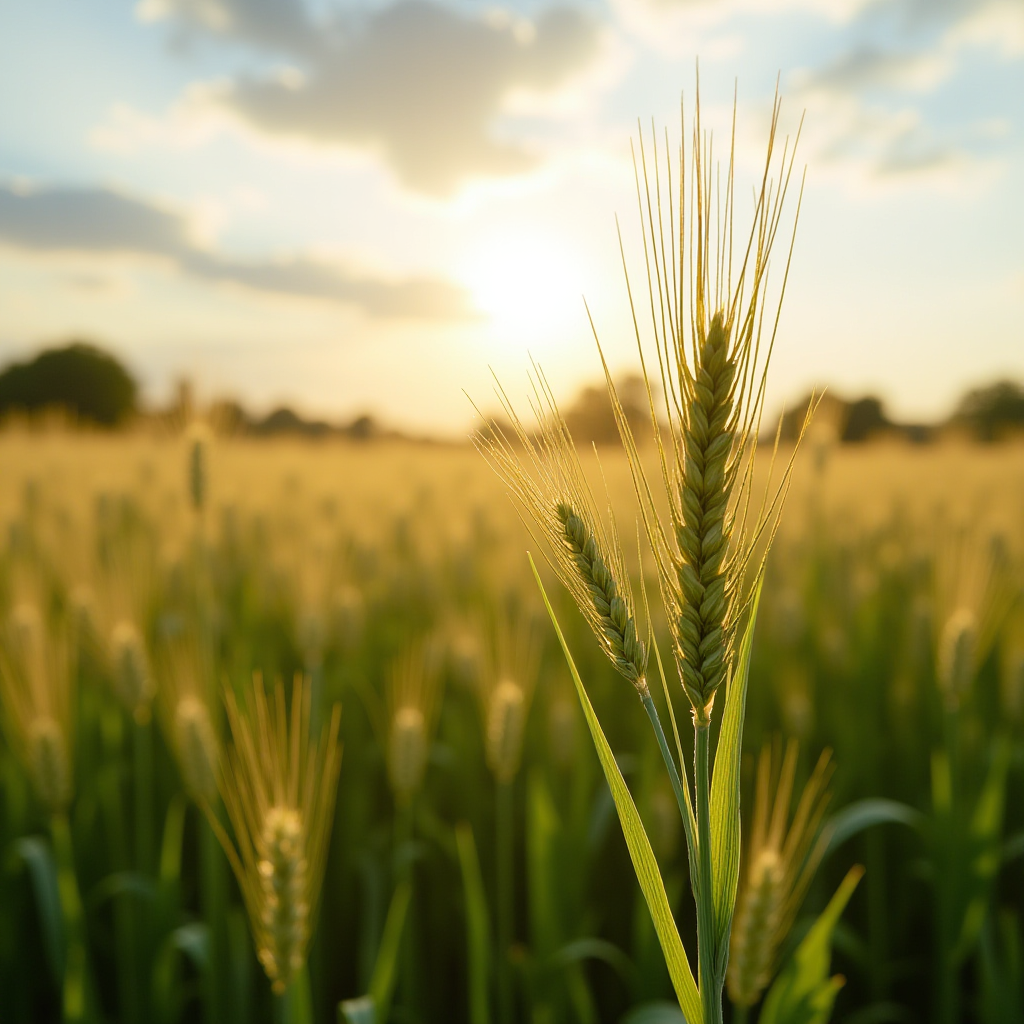
Oat straw (Avena sativa) is the green, unripe aerial parts of the common oat plant. Unlike the grain (oatmeal) used for breakfast, oat straw is harvested when the plant is still green and milky – before the seeds fully form. At this stage, it is rich in active constituents that support the nervous system.
The primary active compounds in oat straw include:
- Avenanthramides – unique polyphenols with anti-inflammatory and antioxidant effects, particularly on nerve tissue
- Silica – a mineral essential for connective tissue, nerve sheaths, and brain health
- Calcium and magnesium – minerals critical for nerve transmission and relaxation
- Flavonoids – antioxidant compounds that protect nerve cells from oxidative damage
- Saponins – compounds that may enhance nutrient absorption
Oat straw works as a nervine trophorestorative – a type of herb that actually nourishes and rebuilds nerve tissue over time. Unlike nervine sedatives (like valerian) that force relaxation or nervine stimulants (like coffee) that force alertness, oat straw gently supports the nervous system’s own ability to regulate itself.
The avenanthramides have been shown to reduce inflammation in the nervous system, which is linked to anxiety, brain fog, and fatigue. The high silica content supports myelin sheaths – the protective covering around nerves that ensures efficient signal transmission. Over weeks of consistent use, oat straw tea can help restore a calm, focused, resilient nervous system.
Key health benefits of oat straw tea
Anxiety and stress reduction is the most common reason people turn to oat straw tea. Unlike benzodiazepines or even herbal sedatives like valerian, oat straw does not cause drowsiness or dependence. It works gently to reduce the physical sensations of anxiety – the racing heart, the tight chest, the feeling of being constantly on edge. Over time, users report feeling more “steady” and less reactive to daily stressors. For more on managing anxiety naturally, see our guide to Best Herbal Teas for Anxiety and Stress Relief.
Cognitive support and mental clarity has been demonstrated in clinical research. A double-blind, placebo-controlled study found that oat straw extract improved cognitive performance, attention, and concentration in healthy adults. Participants showed better performance on tasks requiring focus and working memory. Oat straw tea may help with “brain fog” – that fuzzy, unfocused feeling that often accompanies stress, lack of sleep, or burnout.
Nervous exhaustion and adrenal support is a traditional use of oat straw. For people who feel “wired but tired” – too exhausted to function but too anxious to sleep – oat straw helps restore the nervous system’s ability to rest and repair. It is often recommended for burnout, chronic stress, and recovery from illness. For more on stress-related exhaustion, see Herbal Teas for Nervous Tension.
Withdrawal support is another traditional application. Oat straw has been used to help people withdraw from benzodiazepines, opioids, and even caffeine. It does not replace these substances but supports the nervous system during the difficult adjustment period, reducing cravings and easing withdrawal symptoms.
Skin, hair and nail health comes from oat straw’s high silica content. Silica is essential for collagen production and connective tissue strength. Regular consumption of oat straw tea can improve hair thickness, nail strength, and skin elasticity. This is a secondary benefit, but one that many users appreciate. For more on beauty from within, see Herbal Teas for Health and Beauty.
Heart health support has been suggested by some research. The avenanthramides in oat straw have antioxidant and anti-inflammatory effects that may benefit cardiovascular health, though more research is needed.
How to prepare oat straw tea
Oat straw is a green, leafy herb. It infuses well with standard steeping.
Hot infusion method: Use one to two teaspoons of dried oat straw per cup of water. Pour freshly boiled water over the herb. Cover and steep for 10–15 minutes. Strain and serve. Longer steeping extracts more of the minerals and avenanthramides.
Tea bag method: Use one tea bag per cup. Steep in freshly boiled water for 10–15 minutes.
Cold infusion method (traditional): Oat straw can also be cold-infused overnight. Place two tablespoons of dried oat straw in a quart jar of cold water. Leave overnight (8–12 hours) at room temperature, then strain. This method is gentler and may extract different compounds.
Flavour: Oat straw tea has a mild, slightly sweet, grassy or “oaty” flavour. It is pleasant and easy to drink – much gentler than many medicinal herbs. No sweetener is required, though Manuka Honey or a slice of lemon can be added.
Blending: Oat straw blends well with other nervines. Good combinations include oat straw with lemon balm for anxiety, oat straw with chamomile for sleep, or oat straw with nettle for mineral support.
Dosage: For general nervous system support, one to two cups daily. For cognitive support or during periods of high stress, three cups daily. For withdrawal support, up to four cups daily under professional guidance.
If you would like to try the herbal teas mentioned in this article for yourself, we have curated a selection of high-quality, tested sources below. Every product we recommend has been chosen for purity and potency, or visit our online Herbal Tea Shop for even more choice.
How to use oat straw tea safely
Oat straw is exceptionally safe. Unlike many medicinal herbs, it has no known significant side effects, no toxicity, and no documented drug interactions when consumed as tea.
Pregnancy and breastfeeding: Oat straw is considered safe during pregnancy and breastfeeding. It is rich in minerals that support both mother and baby. However, consult your healthcare provider before starting any new herb during pregnancy. For more guidance, see Herbal Tea during Pregnancy.
Medication interactions: No significant interactions have been documented. Oat straw is gentle and does not interfere with most medications. However, those taking lithium should exercise caution, as oat straw may theoretically affect lithium levels. For more on this topic, see Herbal Tea and Medication.
Gluten concerns: Oats are often contaminated with gluten during processing. If you have coeliac disease or severe gluten sensitivity, source oat straw from a certified gluten-free supplier.
Children: Oat straw tea is safe for children. It can be given as a gentle nervine for anxious or overstimulated children. Use half the adult dose.
Long-term use: Oat straw is safe for daily, long-term use. In fact, its benefits are cumulative – it works better the longer you take it. There is no tolerance, dependence, or withdrawal. For more on safe usage, see Are Herbal Teas Safe?.
Recommended dosage
For general nervous system support and stress management, one to two cups daily is sufficient. For cognitive support during demanding work or study periods, two to three cups daily may be consumed. For burnout, nervous exhaustion, or withdrawal support, three to four cups daily for several weeks, then reduce to a maintenance dose. Oat straw works cumulatively – benefits typically become noticeable after one to two weeks of consistent daily use, with full effects after four to six weeks.
Limitations of oat straw tea
Oat straw tea is not a substitute for medical treatment, particularly for severe anxiety disorders, panic disorder, or major depression. Its effects are gentle and cumulative, not immediate or dramatic. Do not stop prescribed psychiatric medications in favour of oat straw tea without medical supervision. The tea is less concentrated than oat straw extracts or tinctures. If you have significant neurological or psychiatric conditions, tinctures or supplements may be more appropriate. Claims that oat straw “cures” anxiety or “reverses” brain damage are unsupported; it is best understood as a supportive tonic for overall nervous system health.
FAQ
Is oat straw tea good for anxiety?
Yes. Oat straw tea is a gentle, nourishing nervine that reduces the physical sensations of anxiety and builds resilience to stress over time. Unlike sedatives, it does not cause drowsiness or dependence.
Does oat straw tea help with focus and brain fog?
Yes. Clinical studies have shown that oat straw extract improves cognitive performance, attention, and concentration. It is particularly helpful for stress-related brain fog.
Is oat straw tea safe to drink every day?
Yes. Oat straw tea is exceptionally safe for daily, long-term use. Its benefits are cumulative, and there is no known tolerance or dependence.
What does oat straw tea taste like?
Oat straw tea has a mild, slightly sweet, grassy or “oaty” flavour. It is pleasant and easy to drink without sweetener.
How long does it take for oat straw tea to work?
Oat straw works cumulatively rather than acutely. Most people notice improvements in stress resilience and mental clarity after one to two weeks of consistent daily use, with full effects after four to six weeks.
Conclusion
Oat straw tea is a gentle, safe, and effective restorative tonic for the nervous system. Unlike sedatives or stimulants, it does not force relaxation or alertness – it nourishes nerve tissue, reduces neuroinflammation, and supports the body’s own ability to regulate stress. For anxiety, brain fog, nervous exhaustion, and withdrawal support, oat straw tea offers a cumulative, sustainable path to resilience. Used consistently as part of a healthy lifestyle, oat straw tea can help restore a calm, focused, and steady mind.
Recommended Products
If you would like to try the herbal teas mentioned in this article for yourself, we have curated a selection of high-quality, tested sources below. Every product we recommend has been chosen for purity and potency, or visit our online Herbal Tea Shop for even more choice.
Oat Straw Tea (loose leaf)
Oat Straw Tea (tea bags)
Blending and support herbs:
Lemon Balm tea (loose leaf)
Lemon Balm tea bags
Chamomile tea (loose leaf)
Chamomile tea bags
Nettle tea (loose leaf)
Nettle tea bags
Manuka Honey
High-quality Garlic press
Tea infuser
Glass teapot
Storage boxes
Assortment Box
Visit our online Herbal Tea Shop for more choice.
Do you read novels? Visit our bookshop to check out the culturally grounded, Otherworldly narratives by Owen Jones.
Looking for a specific herbal tea? Browse the full A–Z list here:
Herbal Teas A-Z List
Get the Free Herbal Tea Shop Cheat Sheet
Further Reading
For a full evidence-based overview of herbal tea benefits, safety, and quality considerations, read our complete guide to Herbal Tea Benefits.
1] Best Herbal Teas for Anxiety and Stress Relief – A comprehensive guide to herbal teas that calm the nervous system and reduce stress.
2] Herbal Teas for Nervous Tension – Targeted advice for the specific feeling of being wound up and unable to relax.
3] Herbal Teas for Stress-Related Insomnia – How stress affects sleep and which herbs can help restore rest.
4] Are Herbal Teas Safe? – General safety guidance for all herbal teas including contraindications.
5] How to Create Your Own Herbal Tea Blends – A guide to combining herbs effectively for specific health goals
References
1] National Center for Complementary and Integrative Health (NCCIH) – Oats and Oat Straw – Government agency overview of oat straw’s traditional uses and safety profile.
2] PubMed – Oat Straw Extract and Cognitive Performance – The double-blind, placebo-controlled study on oat straw and attention.
3] Memorial Sloan Kettering Cancer Center – Oat Straw – Cancer centre professional monograph on active compounds and clinical evidence.
4] WebMD – Oat Straw: Uses and Risks – Consumer-level information on dosage, benefits, and side effects.
5] Mount Sinai – Oat Straw – Health system reference on oat straw as a nervine trophorestorative