


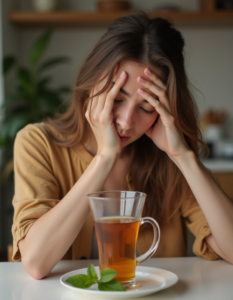
How the right herbal tea can help you break the cycle of stress and insomnia
You are exhausted. You want nothing more than to fall asleep. But your mind will not cooperate. It replays the events of the day. It worries about tomorrow. It churns through problems you cannot solve at 11pm. Stress-related insomnia is not about a broken sleep mechanism. It is about a mind that cannot settle. The best herbal teas for stress-related insomnia work by calming the nervous system, reducing the mental chatter, and helping you break the cycle where stress disrupts sleep and poor sleep worsens stress. Unlike general sleep aids that target the brain broadly, these herbs specifically address the hyperarousal and rumination that keep you awake when you are stressed. Read on to find out more about stress-related insomnia.
Sleep Support Topics:
1] Herbal Teas for Difficulty Falling Asleep
2] Herbal Teas for Difficulty Staying Asleep
3] Herbal Teas for Early Morning Waking
4] Herbal Teas for Poor Sleep Quality
5] Herbal Teas for Stress-Related Insomnia
6] Home – Herbal Teas for Sleep
7] Home – Herbal Tea Benefits
If you’d like to try the herbal teas mentioned in this article for yourself, we’ve curated a selection of high-quality, tested sources below. Every product we recommend has been chosen for purity and potency, or visit our online Herbal Tea Shop for even more choice.
Looking for a specific herbal tea? Browse the full A–Z list here:
Herbal Teas A-Z List
Get the Free Herbal Tea Shop Cheat Sheet
How herbal teas help with stress-related insomnia
The best herbal teas for stress-related insomnia work through several mechanisms that target the specific problem of stress-induced hyperarousal.
- Anxiolytic herbs reduce the anxiety and worry that keep the mind racing at bedtime.
- GABAergic herbs quiet neural activity, turning down the volume on mental chatter.
- Adaptogenic herbs lower cortisol, the stress hormone that should drop at night but remains elevated in stressed individuals.
- Nervine herbs nourish the nervous system over time, building resilience against future stress.
- Sedative herbs promote relaxation without the “knockout” effect of pharmaceuticals.
The most effective approach often combines acute relief for tonight with long-term resilience for tomorrow.
The best herbal teas for stress-related insomnia
Ashwagandha tea is perhaps the most important herbal tea for stress-related insomnia. Ashwagandha is an adaptogen that has been shown to significantly reduce cortisol levels. For people whose insomnia is driven by stress, elevated cortisol is often the culprit. When cortisol remains high at night, the body stays in a state of high alert, unable to transition into sleep. Ashwagandha addresses this root cause. Unlike acute sedatives that work quickly but temporarily, ashwagandha works cumulatively, with benefits typically becoming noticeable after two to four weeks of consistent daily use. It is best taken earlier in the evening or even in the morning. For chronic stress-related insomnia, ashwagandha is foundational. It has a slightly bitter, earthy flavour that is often improved with honey or a cinnamon stick.
Passionflower tea is a GABAergic herb that excels at quieting the racing thoughts that accompany stress. Passionflower increases GABA levels in the brain, reducing the mental chatter that keeps you awake. It is particularly useful for stress-related insomnia driven by rumination—replaying conversations, worrying about the future, or cycling through to-do lists. Unlike some sedatives that can leave you feeling groggy the next day, passionflower tends to be clear-headed. The tea has a mildly sweet, earthy, slightly grassy flavour. Drink a cup thirty to sixty minutes before bed, and consider keeping a thermos by your bedside for nighttime waking.
Lemon balm tea is a gentle nervine that works well for mild stress-related insomnia. Lemon balm influences GABA activity and has been shown to improve calmness and reduce feelings of alertness-related tension. It is often combined with other herbs, but it can be effective on its own for those whose stress is mild. Its mild, citrusy flavour is pleasant, and it can be drunk before bed or throughout the evening. Unlike stronger herbs, lemon balm does not cause next-day drowsiness.
Holy Basil (Tulsi) tea is another adaptogen that helps the body adapt to stress and reduce cortisol. Like ashwagandha, tulsi works cumulatively over time rather than acutely. It is particularly useful for stress-related insomnia that is part of a broader pattern of chronic stress, burnout, or feeling “wired but tired.” Tulsi has a warm, clove-like, slightly peppery flavour that is comforting, especially during stressful periods. Regular tulsi consumption may help restore normal sleep patterns over several weeks.
Valerian root tea is a stronger option for stress-related insomnia when the stress is intense and the insomnia is persistent. Valerian influences GABA receptors and has been studied for its ability to improve sleep quality and reduce sleep onset latency. However, valerian is inconsistent—some people find it profoundly helpful, while others notice little benefit. It also has a strong, earthy, somewhat unpleasant aroma and flavour. If you choose valerian, try it for the first time on a night when next-day alertness is not critical, as some people experience next-day drowsiness.
Chamomile tea is a gentle option for mild stress-related insomnia. Its mild GABAergic effects promote relaxation without heavy sedation. Chamomile is exceptionally safe and can be used nightly without concern. While it is not strong enough to address significant stress-related insomnia on its own, it can be a useful part of a broader stress management routine. Its mild, floral, apple-like flavour is pleasant and soothing.
Lavender tea has been shown to reduce anxiety and improve sleep quality. Lavender contains linalool and linalyl acetate, compounds that have demonstrated calming effects. For stress-related insomnia, lavender can be drunk before bed or used as part of a calming evening ritual. Lavender tea has a distinct, perfumed flavour that some find relaxing and others find overpowering. It blends well with chamomile or lemon balm for those who prefer a milder taste.
Reishi mushroom tea is a medicinal mushroom traditionally used in Chinese medicine to calm the mind and improve sleep. Reishi has been shown to reduce anxiety and improve sleep quality, making it useful for stress-related insomnia. It has a bitter, earthy flavour that is often blended with other herbs to improve palatability. Reishi is available in tea bags or as dried slices for steeping.
If you’d like to try the above herbal teas for yourself, we’ve curated a selection of high-quality, tested sources below. Every product we recommend has been chosen for purity and potency, or visit our online Herbal Tea Shop for even more choice.
How to choose the right tea for your stress-related insomnia
Selecting the best herbal tea for stress-related insomnia depends on the nature and severity of your stress.
For chronic, long-standing stress-related insomnia with high cortisol: Ashwagandha and holy basil (Tulsi) address the root cause over several weeks of consistent use. These are foundational herbs for stress-related insomnia.
For acute stress-related insomnia with racing thoughts: Passionflower works quickly to quiet mental chatter and help you fall asleep.
For mild, occasional stress-related insomnia: Lemon balm or chamomile offer gentle support without heavy sedation.
For intense, persistent stress-related insomnia: Valerian may help, though results vary. Passionflower is a good alternative.
For stress-related insomnia with nighttime anxiety or panic: Passionflower is particularly effective.
For those who are pregnant or breastfeeding: Chamomile is generally considered safest, though medical advice should always be sought. Ashwagandha, valerian, and passionflower are typically avoided during pregnancy.
For children with stress-related insomnia: Chamomile is the gentlest option. Lemon balm may also be suitable in smaller quantities.
How to use herbal teas for stress-related insomnia effectively
Take adaptogens consistently. Ashwagandha, tulsi, and reishi work cumulatively. Do not expect results overnight. Take them daily for at least two to four weeks, preferably at the same time each day.
Take adaptogens earlier in the day. Many people find that taking ashwagandha and tulsi in the morning or early afternoon works better than taking them immediately before bed. These herbs support the HPA axis throughout the day, not just at night.
Use acute herbs before bed. Passionflower, lemon balm, chamomile, and lavender are best taken thirty to sixty minutes before bed.
Combine acute and adaptogenic herbs. For best results, use adaptogens daily (for long-term resilience) and acute herbs as needed before bed (for immediate relief). This two-pronged approach addresses both the root cause and the symptoms.
Create a stress-reducing bedtime ritual. The act of preparing and drinking tea can be as important as the herbs themselves. Use the ritual to signal to your brain that the day is over and rest is approaching. Turn off screens. Dim the lights. Sit quietly. Sip slowly.
Address the sources of stress. Herbal teas can help manage the symptoms of stress, but they cannot remove the sources of stress in your life. Consider other stress management techniques such as exercise, meditation, therapy, or changes in workload.
Be patient. Stress-related insomnia often takes time to resolve. The adaptogens that address the root cause work slowly. Do not give up after a few nights. Give the herbs at least two to four weeks to work.
Safety considerations
Most herbal teas for stress-related insomnia are safe for regular use when taken as directed. However, several precautions apply.
Ashwagandha should be used with caution by those with thyroid conditions, as it can increase thyroid hormone levels. It may also interact with sedatives, diabetes medications, and immunosuppressants. Pregnant women should avoid ashwagandha.
Holy basil (Tulsi) is generally very safe but may interact with blood thinners and diabetes medications.
Valerian root may cause next-day drowsiness in some individuals. Do not drive or operate heavy machinery until you know how valerian affects you. It should not be combined with alcohol or sedative medications.
Passionflower is generally safe but may cause dizziness in sensitive individuals. Pregnant women should avoid passionflower due to potential uterine-stimulating effects.
Reishi mushroom may interact with blood thinners and blood pressure medications. It may also cause mild digestive upset in some individuals.
Chamomile may cause allergic reactions in individuals sensitive to ragweed, chrysanthemums, marigolds, or other plants in the Asteraceae family.
Lemon balm is generally very safe but may interact with thyroid medications and sedatives.
Lavender is generally very safe but may cause mild digestive upset in sensitive individuals when consumed in large amounts.
If you have chronic insomnia, an underlying medical condition, or are taking medication, consult your healthcare provider before using herbal teas for sleep. Persistent stress-related insomnia may require professional attention.
FAQ
What is the best herbal tea for stress-related insomnia?
Ashwagandha is foundational for chronic stress-related insomnia because it lowers cortisol. For acute relief when stress is keeping you awake, passionflower is excellent.
How long does ashwagandha take to work for stress-related insomnia?
Ashwagandha typically requires two to four weeks of consistent daily use before benefits become noticeable. It works cumulatively, restoring normal cortisol rhythms over time.
Can I take passionflower every night for stress-related insomnia?
Yes, passionflower is generally safe for nightly use. Unlike valerian, it does not typically cause next-day drowsiness or tolerance.
What is the difference between adaptogens and acute sedatives for sleep?
Adaptogens (ashwagandha, tulsi) work slowly over weeks to address the root cause of stress-related insomnia by lowering cortisol and regulating the stress response. Acute sedatives (passionflower, valerian) work the same night to help you fall asleep but do not address the underlying cause.
Can children drink herbal tea for stress-related insomnia?
Chamomile tea is generally safe for children in appropriate doses. Lemon balm may also be suitable. Ashwagandha, valerian, and passionflower should only be used under professional guidance.
Conclusion
The best herbal teas for stress-related insomnia address both the acute symptoms and the underlying causes. Ashwagandha and holy basil lower cortisol and build long-term resilience. Passionflower quiets racing thoughts and helps you fall asleep. Lemon balm and chamomile offer gentle support for mild stress. Valerian is a stronger option for persistent cases. By using adaptogens daily for long-term resilience and acute herbs before bed for immediate relief, you can break the vicious cycle where stress disrupts sleep and poor sleep worsens stress. With consistency and patience, herbal teas can help you reclaim your nights and wake up feeling more rested and resilient.
Recommended Products
If you’d like to try the above herbal teas for yourself, we’ve curated a selection of high-quality, tested sources below. Every product we recommend has been chosen for purity and potency, or visit our online Herbal Tea Shop for even more choice.
👉 Best to try first: Holy Basil (Tulsi) Tea
Holy basil is an adaptogen that lowers cortisol and helps the body adapt to stress.
Start here:
Holy Basil (Tulsi) tea (loose leaf): https://amzn.to/4dsdpgJ
Holy Basil (Tulsi) tea bags: https://amzn.to/4tx4RKg
Ashwagandha root tea (loose leaf): https://amzn.to/4sKLQEh
Passionflower tea (loose leaf): https://amzn.to/4dhmjNZ
Passionflower tea bags: https://amzn.to/4lXRdgt
Lemon balm tea (loose leaf): https://amzn.to/4bA4NlH
Lemon balm tea bags: https://amzn.to/47elJNf
Valerian root tea (loose leaf): https://amzn.to/4sq5x43
Valerian root tea bags: https://amzn.to/4t1QQ7g
Chamomile tea (loose leaf): https://amzn.to/3Pv6zgo
Chamomile tea bags: https://amzn.to/4bCq3XM
Lavender tea (loose leaf): https://amzn.to/4bCESLp
Reishi mushroom tea bags: https://amzn.to/4mcEXZX
Manuka Honey: https://amzn.to/47p7i9g
High-quality Garlic press: https://amzn.to/4sFBsxD
Tea infuser: https://amzn.to/4lAToGE
Glass teapot: https://amzn.to/4snGsGY
Storage boxes: https://amzn.to/47UQgQf
Assortment Box: https://amzn.to/3NFO9ZJ
Visit our online Herbal Tea Shop for more choice!
Do you read novels? Visit our bookshop to check out the ‘culturally grounded, Otherworldly narratives’ by Owen Jones.
Further Reading
For a full evidence-based overview of herbal tea benefits, safety, and quality considerations, read our complete guide to Herbal Tea Benefits
1] To understand the science behind sleep and herbal tea, see:
The Science of Sleep and Herbal Tea
2] For timing and selection of evening teas, see:
Best Teas to Drink Before Bed
3] For a comparison of sleep-promoting herbs, see:
Chamomile vs Valerian for Sleep?
4] For information on magnesium as an alternative sleep aid, see:
Magnesium vs Herbal Tea for Sleep
5] For stress management techniques that complement sleep support, see:
Herbal Teas for Stress Management
6] For creating DIY nighttime blends, see:
Best Night-Time Tea Blends (DIY Recipes)
7] For safety guidance on regular tea consumption, see:
Are Herbal Teas Safe?
8] For potential interactions with medications, see:
Herbal Tea and Medication
9] For creating a calming bedtime routine, see:
Creating a Personal Tea Ritual
Visit our bookshop to check out the ‘culturally grounded, Otherworldly narratives’ by Owen Jones.
References
1] National Health Service (NHS) – Stress and Sleep
Provides medical guidance on stress and its effects on sleep.
2] National Center for Complementary and Integrative Health (NCCIH) – Ashwagandha
Summarises research on ashwagandha for stress and cortisol reduction.
3] National Center for Complementary and Integrative Health (NCCIH) – Passionflower
Offers evidence-based information on passionflower for anxiety and sleep.
4] Cleveland Clinic – Stress and Insomnia
Provides practical recommendations for managing stress-related sleep problems.