


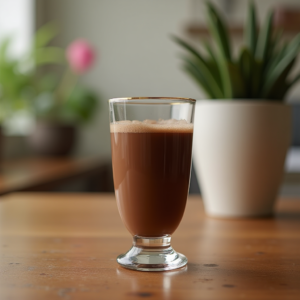
What cacao powder is and how it works
Cacao powder comes from the seeds – commonly called beans – of the Theobroma cacao tree, a plant native to the tropical regions of Central and South America. The name Theobroma translates from Greek as “food of the gods,” a description that reflects the reverence in which cacao was held by the Aztec and Maya civilisations, who used it ceremonially, medicinally, and as currency for thousands of years before European contact.
In its raw form, cacao is one of the most complex and nutrient-rich foods found in nature. It contains over 300 identified compounds, including flavanols, theobromine, magnesium, iron, zinc, manganese, copper, and a range of antioxidants that place it among the highest-scoring foods on antioxidant measurement scales. It is this extraordinary nutritional density – preserved only when cacao is minimally processed – that distinguishes raw cacao from the more familiar cocoa products found on supermarket shelves.
The primary active compounds in cacao are flavanols – a subclass of flavonoids with well-documented effects on cardiovascular health, cognitive function, and inflammation. Cacao flavanols include epicatechin, catechin, and procyanidins, and their concentration in raw cacao is substantially higher than in processed cocoa. Cacao also contains theobromine, a mild stimulant related to caffeine that produces a gentler, more sustained energy effect without the sharp spike and crash associated with coffee. Magnesium – found in exceptionally high concentrations in cacao powder – supports muscle function, nervous system health, and energy metabolism, and cacao is one of the richest dietary sources of this frequently deficient mineral.
“If you’d like to try cacao powder for yourself, we’ve curated a selection of high-quality, tested sources below. Every product we recommend has been chosen for purity and potency, or visit our online Herbal Tea Shop for even more choice”.
Looking for a specific herbal tea? Browse the full A–Z list here:
Herbal Teas A-Z List
Get the Free Herbal Tea Shop Cheat Sheet
Cacao vs cocoa – what is the difference?
This is one of the most commonly asked questions about chocolate-derived products, and the answer matters considerably for anyone interested in health benefits.
Cacao refers to the raw, minimally processed product derived directly from the Theobroma cacao bean. After harvesting, cacao beans are fermented – a natural process that develops flavour – and then dried at low temperatures. The resulting product retains the full spectrum of naturally occurring nutrients, enzymes, flavanols, and antioxidants. Cacao powder is made by cold-pressing unroasted cacao beans, separating the fat (cacao butter) from the solids, and grinding the solids into powder.
Cocoa – including the cocoa powder found in most kitchens – is produced by roasting cacao beans at high temperatures before processing. This roasting step significantly improves flavour and shelf life, but it also destroys a substantial proportion of the heat-sensitive flavanols and enzymes that give raw cacao its exceptional nutritional profile. Dutch-processed or alkalised cocoa undergoes an additional chemical treatment that further reduces flavanol content – sometimes by as much as 90% compared to raw cacao.
In practical terms:
1] Cacao is raw, nutrient-dense, slightly bitter, and higher in active compounds. It is the better choice for health-focused use.
2] Cocoa is roasted, more flavourful, widely available, and significantly lower in flavanols and antioxidants. It is better suited to cooking and baking where flavour is the priority.
3] Raw cacao nibs are simply crushed cacao beans with nothing added – the purest and least processed form of cacao available.
4] Cacao butter is the fat extracted from cacao beans during powder production – rich in oleic acid and used in cooking, skincare, and chocolate making.
The bottom line: if you are consuming cacao for its health benefits, raw cacao powder or nibs are substantially more potent than standard cocoa powder, and the difference is not merely marketing.
Key health benefits
Cardiovascular health: Cacao flavanols are among the most extensively studied natural compounds for cardiovascular benefit. Research has consistently found that regular cacao consumption is associated with improved endothelial function – the ability of blood vessels to dilate effectively – reduced blood pressure, improved blood flow, and a more favourable lipid profile. The COSMOS-Heart study, one of the largest randomised trials of cocoa flavanols to date, found a significant reduction in cardiovascular mortality in participants taking a daily flavanol supplement. While that research used supplements rather than whole cacao, the underlying mechanism – flavanol-driven improvements in vascular function – applies equally to high-quality raw cacao.
Cognitive function and mood: Cacao powder has attracted substantial research interest for its effects on brain health. Flavanols support cerebral blood flow and have been associated with improvements in memory, attention, and processing speed in both younger and older adults. Cacao also contains phenylethylamine (PEA) – sometimes called the “love chemical” – which stimulates the release of endorphins and is associated with improved mood and feelings of wellbeing. Anandamide, another compound found in cacao, binds to the same receptors as cannabis and contributes to the sense of mild euphoria that many people experience after consuming dark chocolate or raw cacao. These are not incidental effects – they are among the reasons cacao has been used ceremonially and for emotional support across cultures for millennia.
Antioxidant protection: Raw cacao consistently ranks among the highest antioxidant-containing foods measured, outperforming blueberries, green tea, and red wine on most antioxidant scales. Its flavanols and polyphenols neutralise free radicals, reduce oxidative stress, and may help protect cells from the kind of cumulative damage associated with ageing, inflammation, and chronic disease.
Magnesium and mineral content: Cacao is one of the richest known dietary sources of magnesium – a mineral that plays a role in over 300 enzymatic reactions in the body and is deficient in a large proportion of the Western population. Adequate magnesium supports cardiovascular health, muscle relaxation, sleep quality, nervous system function, and energy metabolism. Cacao also provides meaningful amounts of iron, zinc, copper, and manganese – making it a genuinely valuable nutritional addition beyond its antioxidant properties.
Energy and mood without caffeine spikes: Theobromine – cacao powder’s primary stimulant compound – produces a milder, more sustained energy effect than caffeine. It dilates blood vessels, improves blood flow, and provides a gentle lift in alertness and mood without the anxiety, heart rate elevation, or energy crash associated with coffee or strong tea. This makes cacao a particularly appealing option for those who are sensitive to caffeine but still want a natural energy-supporting morning or afternoon drink.
Anti-inflammatory properties: The flavanols and polyphenols in raw cacao have demonstrated anti-inflammatory activity in research, with potential relevance to conditions driven by chronic low-grade inflammation. Regular consumption of high-flavanol cacao has been associated with reductions in inflammatory markers including C-reactive protein in some studies.
How to use cacao powder
Cacao drink (hot or cold): The most traditional and widely used preparation is a simple cacao drink. Add one to two tablespoons of raw cacao powder to a mug, mix to a paste with a small amount of cold water, then top up with hot (not boiling) water or warm plant-based milk. Sweeten with honey or a small amount of maple syrup if desired. Cacao powder dissolves more easily in warm milk than in water alone, and the fat in milk helps with the absorption of fat-soluble compounds. Avoid boiling water, which can degrade heat-sensitive flavanols.
Ceremonial cacao: Ceremonial-grade cacao powder is a minimally processed, high-flavanol paste made from whole cacao beans and used in traditional Mesoamerican ritual practice. It is prepared by melting a 25–40g block of ceremonial cacao paste into hot water or milk, often with spices such as cinnamon, chilli, or cardamom. This is the most potent and traditional form of cacao consumption, and the quantities used are higher than in everyday drinking chocolate.
Cacao nibs: Raw cacao nibs can be eaten directly, added to smoothies, stirred into porridge, or sprinkled over yoghurt. They provide the full nutritional profile of the cacao bean in its most unprocessed form, with a pleasantly bitter, nutty flavour. A tablespoon or two daily is a simple way to add cacao’s benefits to an existing routine without any preparation.
Blending with other herbs: Cacao powder combines exceptionally well with ashwagandha, which shares its stress-modulating and mood-supporting properties. A warm cacao and ashwagandha drink in the evening is a popular combination in natural wellness circles. Cinnamon, ginger, chilli, and cardamom are traditional cacao companions that enhance both flavour and the drink’s warming, circulatory properties.
In cooking: Raw cacao powder can substitute for cocoa powder in most recipes, delivering superior nutritional value alongside a more intense, complex chocolate flavour. It works well in energy balls, smoothies, overnight oats, and raw desserts where high temperatures are not involved.
How to use safely
Pregnancy and breastfeeding: Cacao contains theobromine and small amounts of caffeine, both of which cross the placental barrier. Moderate consumption — one to two tablespoons of cacao powder per day — is generally considered acceptable during pregnancy, but high quantities should be avoided. Breastfeeding women should also moderate intake, as theobromine passes into breast milk.
Children: Small amounts of cacao in food are generally safe for children, but ceremonial-dose cacao drinks are not appropriate for young children due to theobromine content.
Migraine sufferers: Cacao is a well-known dietary trigger for migraines in susceptible individuals. Those with a history of chocolate-triggered migraines should introduce cacao cautiously and monitor their response.
Kidney stones: Cacao contains oxalates, which may contribute to calcium oxalate kidney stone formation in susceptible individuals. Men with a history of kidney stones should seek medical advice before consuming large quantities regularly.
Medications: Theobromine may interact with certain medications including MAOIs and stimulant drugs. Cacao’s blood pressure-lowering effects mean it should be used cautiously alongside antihypertensive medication. Anyone on prescribed medication should check with their GP or pharmacist before consuming cacao in significant daily quantities.
For a full overview of safety considerations when using natural health products alongside medication, see Herbal Tea and Medication.
Recommended daily amounts
1] For general wellness: One to two tablespoons of raw cacao powder daily, or a small handful of cacao nibs, is a widely used and broadly safe daily amount for most healthy adults.
2] For ceremonial cacao: 25–40g of ceremonial cacao paste is the traditional dose for a ceremonial drink. This is a significantly higher amount than everyday use and should be approached gradually by those new to cacao.
3] Timing: Cacao powder is best consumed in the morning or early afternoon. Its theobromine content, while milder than caffeine, may interfere with sleep in sensitive individuals if taken in the evening.
4] Frequency: Daily consumption at moderate amounts is considered safe and is how cacao is most commonly used in traditional cultures and modern wellness practice alike.
5] Quality matters: The health benefits of cacao powder are directly tied to flavanol content, which is highest in raw, minimally processed, non-alkalised cacao. Always choose products labelled raw or non-alkalised for health-focused use.
Limitations
Cacao is a genuinely remarkable food with an unusually strong research base for a natural product. However, it is important to be clear about what it cannot do.
Cacao is not a treatment for cardiovascular disease, depression, cognitive decline, or any other medical condition. The majority of the most compelling research has used standardised flavanol supplements rather than whole cacao powder, and the flavanol content of commercial cacao products varies considerably. The feel-good effects of cacao — while real and documented — are mild and transient rather than therapeutic in the clinical sense.
Cacao is also calorie-dense. Raw cacao powder is relatively low in calories, but cacao nibs and ceremonial paste contain significant amounts of fat and calories that should be factored into overall dietary intake.
And it is worth stating clearly: the health benefits of raw cacao do not extend to milk chocolate or most commercial dark chocolate products, where sugar, dairy, and processing reduce the flavanol content dramatically.
Frequently asked questions
Is cacao better for you than cocoa?
For health purposes, yes – substantially so. Raw cacao retains the full spectrum of flavanols, enzymes, and antioxidants that are largely destroyed by the roasting and alkalisation process used to produce standard cocoa. If you are consuming chocolate-derived products for their health benefits, raw cacao is the significantly superior choice.
Does cacao powder contain caffeine?
Yes, but in relatively small amounts. A tablespoon of raw cacao powder contains approximately 12mg of caffeine – compared to around 95mg in a standard cup of coffee. The primary stimulant in cacao is theobromine, which is structurally related to caffeine but produces a gentler, longer-lasting effect. Most people find cacao considerably less stimulating than coffee or strong tea.
Can cacao improve mood?
There is genuine biochemical basis for cacao’s mood-enhancing reputation. Phenylethylamine, anandamide, and theobromine – all present in raw cacao – have documented effects on mood, endorphin release, and feelings of wellbeing. These effects are mild and not equivalent to pharmaceutical mood support, but they are real and contribute to cacao’s long cultural association with pleasure and emotional comfort.
Is cacao safe to drink every day?
For most healthy adults, one to two tablespoons of raw cacao powder daily is considered safe for long-term regular use. Those with sensitivity to stimulants, a history of migraines, kidney stones, or cardiovascular conditions should moderate intake and seek medical guidance if in any doubt.
What is ceremonial cacao and is it different from regular cacao powder?
Ceremonial cacao is a minimally processed paste made from whole, fermented cacao beans – typically from specific heirloom varieties – with nothing added or removed beyond the fermentation and drying process. It retains the full fat content of the bean and has a richer, more complex flavour and higher flavanol content than most commercial cacao powders. It is used in higher quantities than everyday cacao and is associated with more pronounced mood and energy effects.
Can I use cacao powder instead of cocoa in recipes?
Yes, in most cases. Raw cacao powder can substitute for cocoa powder in a 1:1 ratio in most recipes. Its flavour is more intense and slightly more bitter than cocoa, which many people prefer. For recipes involving high heat baking at 180°C or above – some of the flavanol benefit will be lost regardless, so the nutritional advantage over cocoa is less significant in baked goods than in raw or cold preparations.
Conclusion
Cacao is one of those rare natural products where the traditional reverence and the modern research genuinely align. The Aztec and Maya civilisations were not wrong to regard it as something exceptional — the biochemistry of the raw cacao bean is extraordinarily complex and its effects on cardiovascular health, cognitive function, mood, and mineral nutrition are among the best-evidenced of any whole food.
The key is choosing the right form — raw, minimally processed, non-alkalised cacao — and using it consistently at sensible amounts. A daily cacao drink, a handful of nibs in a smoothie, or a warm cacao and ashwagandha blend in the morning are all simple, enjoyable ways to access one of nature’s most remarkable foods. Just don’t mistake a bar of milk chocolate for a health food — the cacao that matters is the raw, unprocessed kind, and the difference between the two is as significant as the difference between a fresh herb and a boiled-down, sweetened syrup.
Recommended Products
“If you’d like to try cacao powder for yourself, we’ve curated a selection of high-quality, tested sources below. Every product we recommend has been chosen for purity and potency, or visit our online Herbal Tea Shop for even more choice”.
👉 Best to try first: Raw Cacao Powder – Raw, non-alkalised cacao powder is the most versatile and accessible way to start exploring cacao’s benefits – easy to add to drinks, smoothies, and food, and retaining the full flavanol profile that makes cacao so nutritionally remarkable.
Start here:
Cacao Powder
Cocoa Powder
Manuka Honey
Tea Infuser
Glass Teapot
Garlic Press Kit
Storage Boxes
Assortment Box
Visit our online Herbal Tea Shop for more choice!
Do you read novels? Visit our bookshop to check out the ‘culturally grounded, Otherworldly narratives’ by Owen Jones.
Looking for a specific herbal tea? Browse the full A–Z list here:
Herbal Teas A-Z List
Get the Free Herbal Tea Shop Cheat Sheet
Further Reading
For a full evidence-based overview of herbal tea benefits, safety, and quality considerations, read our complete guide to Herbal Tea Benefits.
1] For our dedicated guide to cocoa powder and its uses, see: 100% Non-Alkalised Cocoa Powder
2] For herbal teas that may help with stress, fatigue, and burnout, see: Herbal Teas for Stress Management
3] For herbal teas that may support healthy circulation and cardiovascular health, see: Herbal Teas for Poor Circulation
4] For herbal teas with antioxidant and anti-inflammatory properties, see: Herbal Tea for Inflammation
5] For guidance on herbal tea safety and possible interactions, see: Are Herbal Teas Safe?
6] For information on possible interactions between herbal teas and medications, see: Herbal Tea and Medication
References
1] National Center for Complementary and Integrative Health — Chocolate/Cocoa — Evidence review of cacao and cocoa’s health applications, active compounds, and safety profile.
2] Harvard T.H. Chan School of Public Health — Dark Chocolate — Nutritional overview of cacao and cocoa flavanols, cardiovascular research, and dietary guidance.
3] COSMOS-Heart Study — Cocoa Supplement and Cardiovascular Outcomes — Major randomised controlled trial published in the New England Journal of Medicine examining cocoa flavanol supplementation and cardiovascular mortality.
4] NHS — Healthy Eating — Chocolate — UK dietary guidance contextualising chocolate and cacao within a balanced diet.
5] Examine.com — Cocoa Extract — Independently compiled evidence summary covering cacao flavanols’ effects on cardiovascular health, cognition, mood, and safety.
6] Mayo Clinic — Dietary Supplements — Clinical perspective on dark chocolate and cacao consumption including cardiovascular and mood-related evidence.