


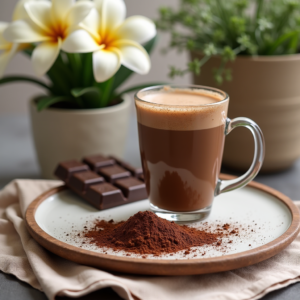
The unsweetened superfood that belongs in your cup
Cocoa powder is not a tea. You do not steep it and throw away the leaves. You whisk cocoa powder directly into hot water or milk and drink the whole thing. This means you consume all of the nutrients, antioxidants, and minerals that the bean has to offer – not just the small fraction that steeps out. The result is a rich, bitter, chocolatey drink that is nothing like the sweetened hot chocolate mixes you find in supermarkets. Cocoa has been used for thousands of years, dating back to the ancient Mayans and Aztecs, who prized it as a sacred beverage. Today, cocoa is valued for its powerful flavanol content, its unique combination of theobromine and caffeine, and its potential to support cardiovascular health, brain function, and mood. For those seeking a natural energy lift without the racing heart or nervousness of coffee, cocoa powder is an excellent choice. And unlike coffee, cocoa will not stain your teeth. Read on to find out more.
“If you’d like to try the products mentioned in this article, we’ve curated a selection of high-quality, tested sources below. Every product we recommend has been chosen for purity and potency, or visit our online Herbal Tea Shop for even more choice”.
Looking for a specific herbal tea? Browse the full A–Z list here:
Herbal Teas A-Z List
Get the Free Herbal Tea Shop Cheat Sheet
What cocoa powder is and how it works
Cocoa is made from the beans of the Theobroma cacao tree. The name Theobroma means “food of the gods” in Greek. The beans are fermented, dried, roasted, cracked, and ground into a paste called chocolate liquor. The fat (cocoa butter) is pressed out, leaving behind cocoa solids. These solids are dried and ground into the cocoa powder you use.
Unlike hot chocolate mixes, 100% pure cocoa powder contains no sugar, no dairy, and no added fat. It is just the bean, ground.
There is an important distinction between cocoa and raw cacao. Cacao powder is made from raw, unroasted beans processed at low temperatures. Cocoa powder is roasted at higher temperatures, which mellows the flavour but can reduce some of the beneficial compounds. For health purposes, both are good. Raw cacao has higher antioxidant levels. Roasted cocoa has a smoother, more familiar chocolate taste.
Dutch-processed cocoa powder has been treated with an alkaline solution to reduce acidity. This makes it less bitter and gives it a darker colour, but the process destroys most of the flavanols – the compounds responsible for cocoa’s health benefits. For health benefits, choose non-alkalised, unsweetened cocoa powder.
Key active compounds in cocoa powder
Flavanols (polyphenols): Powerful antioxidants found in cocoa. They reduce inflammation, protect blood vessels, and support brain health. Diets high in flavanols have been linked to improved cardiovascular health, possibly by relaxing blood vessels (which lowers blood pressure) and improving blood sugar control.
Theobromine: A mild stimulant similar to caffeine. Found in high amounts in cocoa powder. Provides gentle energy without nervousness or a racing heart. One study found that a non-alkalised cocoa powder beverage provided 39mg of caffeine and 1269mg of theobromine per serving.
Caffeine: Present in cocoa in smaller amounts than theobromine. Adds a mild lift.
Magnesium: Cocoa is a good source of magnesium, which supports muscle function, sleep, and nervous system health. Dark chocolate (70–85% cacao) contains three times the magnesium of milk chocolate, but cocoa powder is even more concentrated.
Iron: Cocoa is a good source of plant-based (non-heme) iron. Three tablespoons of cocoa powder contains 23% of a man’s recommended daily iron intake. To maximise absorption, combine cocoa powder with something containing vitamin C.
Potassium: Cocoa contains potassium, which supports normal blood pressure and muscle function.
Key health benefits of cocoa
Cardiovascular health is one of the most researched benefits of cocoa. Cocoa flavanols help relax blood vessels by increasing nitric oxide production. This can modestly lower blood pressure and improve blood flow. Some studies suggest regular cocoa consumption may reduce the risk of heart attack and stroke. However, a 2024 clinical trial found no significant changes in vascular function in healthy young adults after four weeks of cocoa powder supplementation, suggesting benefits may be more pronounced in people with existing risk factors rather than in already healthy individuals.
Brain function and mood are supported by cocoa flavanols. Research shows that cocoa flavanols can increase cerebral blood flow (blood flow to the brain) within 1–2 hours of consumption. Flavanol-rich cocoa powder consumption has been associated with dose-dependent improvements in general cognition, attention, processing speed, and working memory. The theobromine in cocoa provides a gentle stimulant effect that supports alertness without the nervousness of too much caffeine. Cocoa may also support the production of serotonin and endorphins, which are associated with feelings of wellbeing.
Anti-inflammatory and antioxidant effects come from cocoa powder’s rich polyphenol content. These compounds help neutralise free radicals and reduce oxidative stress. Chronic inflammation is linked to many diseases, and the flavanols in cocoa may help modulate inflammatory pathways.
Blood sugar support may be another benefit of cocoa powder. Some evidence suggests cocoa flavanols can improve insulin sensitivity and help with blood sugar control. This is one reason dark chocolate has a lower glycaemic response than milk chocolate, and cocoa is even more concentrated.
Magnesium source: Cocoa is a good source of magnesium, a mineral involved in hundreds of bodily processes including muscle function, sleep, and nervous system health.
How to prepare cocoa powder
Unlike tea, cocoa powder is not steeped. It needs to be mixed.
Simple hot cocoa: Mix 1–2 teaspoons of 100% cocoa powder with a small amount of hot water to form a smooth paste. Add more hot water (not boiling – high heat can destroy the flavanols in cocoa) and stir well. Add a pinch of cinnamon or a drop of vanilla. Do not add sugar – the point of 100% cocoa powder is to avoid sugar.
In coffee: Add 1 teaspoon of cocoa powder to your coffee grounds before brewing, or whisk cocoa into hot coffee. This is sometimes called “cocoa coffee” or “mocha.”
With cinnamon: Cinnamon complements cocoa’s bitterness and adds its own blood sugar-stabilising benefits. A dash of cinnamon in hot cocoa is a classic combination.
Golden cocoa: Add a pinch of turmeric and black pepper to cocoa powder for an anti-inflammatory boost.
Cold version: Mix cocoa powder with a small amount of hot water to make a paste, then add cold milk (dairy or plant-based) and ice.
Blooming cocoa powder: For a richer flavour, “bloom” the cocoa by mixing it with hot liquid (water, coffee, or melted fat) before adding the rest of your liquid. This loosens the membrane around the cocoa particles, exposing the solids and increasing overall flavour. Stir until smooth, then add the remaining liquid.
Safety considerations for cocoa
Heavy metals (lead and cadmium): This is the most important caution when consuming cocoa. Some cocoa products contain measurable levels of lead and cadmium, absorbed from the soil. A 2024 study of 72 cocoa and chocolate products found that 43% exceeded lead limits and 35% exceeded cadmium limits. Median concentrations were lower than the limits, indicating a potentially large effect of product outliers. Consuming small amounts of cocoa (1–2 teaspoons daily) is generally considered safe for the average person, but avoid large servings or multiple cocoa powder products in the same day. Notably, “organic” cocoa products were significantly more likely to demonstrate higher levels of both cadmium and lead.
Caffeine and theobromine: Cocoa contains stimulants. Most people tolerate theobromine well, but sensitive individuals may experience nervousness, racing heart, or difficulty sleeping after consuming cocoa.
Pregnancy: Consume cocoa powder in moderation during pregnancy. Cocoa contains caffeine and polyphenols. Stick to 1–2 teaspoons of cocoa daily if pregnant.
Medication interactions: Cocoa may lower blood pressure and could have additive effects with blood pressure medications. Cocoa powder may also interact with blood thinners. Consult a healthcare provider if you take these medications and wish to add cocoa to your daily routine.
Gastroesophageal reflux (GERD): Some people find cocoa triggers reflux. If you have heartburn after cocoa, reduce or avoid it.
Alkalised cocoa powder: Dutch-processed cocoa has been treated to reduce bitterness, but this process destroys most of the flavanols. For health benefits, choose non-alkalised, unsweetened cocoa powder.
Recommended dosage of cocoa
For general health benefits, one to two teaspoons of cocoa powder daily is sufficient. For more targeted effects – such as cardiovascular support or cognitive enhancement – one to two teaspoons of cocoa powder daily is still adequate. Do not exceed one tablespoon of cocoa powder daily unless you are certain of the heavy metal content of your chosen product.
Limitations of cocoa powder
Cocoa is not a substitute for medical treatment, particularly for heart disease, diabetes, or cognitive decline. The effects of cocoa are modest and work best as part of a broader approach that includes a balanced diet, regular exercise, and appropriate medical care. Claims that cocoa “cures” heart disease or “prevents” dementia are unsupported; cocoa powder is best understood as a supportive tool for overall health. The flavanol content of cocoa varies widely and depends on several factors, including the genetics of the cacao plant, the soil composition, and the processing method. Because flavanols are not listed on nutrition labels, it is not possible to know how much different brands of cocoa contain.
FAQ
Is cocoa the same as hot chocolate mix?
No. Hot chocolate mix contains sugar, milk powder, and other additives. 100% pure cocoa powder is just the ground bean. It is bitter, not sweet.
Is cocoa healthier than chocolate bars?
Yes, because cocoa contains no added sugar or fat. However, the flavanol content of cocoa varies widely by brand and processing method. If you like dark chocolate, a few small squares can be a good way to satisfy a sweet tooth while modestly boosting flavanol intake, but cocoa is more concentrated.
Does cocoa powder have caffeine?
Yes, but cocoa has less caffeine than coffee. Cocoa powder contains both caffeine and theobromine. Theobromine is a milder stimulant that does not cause the same nervousness or racing heart as caffeine.
Can I drink cocoa powder every day?
Yes, one to two teaspoons of cocoa daily is safe for most healthy adults. Be mindful of heavy metal content and choose cocoa brands that test for lead and cadmium.
Is raw cacao better than cocoa powder?
Raw cacao is less processed than cocoa powder and retains more nutrients, including higher levels of magnesium, iron, and flavanols. However, raw cacao also has a more bitter taste than cocoa powder. Both are healthy choices.
Conclusion
100% pure cocoa powder is a unique and potent beverage that delivers the whole bean, not just a steeped infusion. Cocoa’s combination of powerful flavanols, gentle theobromine, and essential minerals produces a smooth, sustained energy lift without the racing heart or nervousness of coffee. For those seeking natural energy, concentrated antioxidants, or cardiovascular and cognitive support, cocoa powder is an exceptional choice. Choose non-alkalised, unsweetened cocoa powder. Avoid Dutch-processed cocoa powder if you want the health benefits. Buy cocoa from reputable brands that test for heavy metals. Used daily, cocoa can support heart health, brain function, mood, and overall wellbeing.
Recommended Products
If you’d like to try our products for yourself, we’ve curated a selection of high-quality, tested sources below. Every product we recommend has been chosen for purity and potency, or visit our online Herbal Tea Shop for even more choice.
100% Pure Cocoa Powder (non-alkalised): https://amzn.to/48W83al
Cinnamon tea (loose leaf): https://amzn.to/4lL23qa (for blending)
Manuka Honey: https://amzn.to/47p7i9g
High-quality Garlic press: https://amzn.to/4sFBsxD
Tea infuser: https://amzn.to/4lAToGE
Glass teapot: https://amzn.to/4snGsGY
Storage boxes: https://amzn.to/47UQgQf
Assortment Box: https://amzn.to/3NFO9ZJ
Visit our online Herbal Tea Shop for more choice!
Do you read novels? Visit our bookshop to check out the ‘culturally grounded, Otherworldly narratives’ by Owen Jones.
Looking for a specific herbal tea? Browse the full A–Z list here:
Herbal Teas A-Z List
Get the Free Herbal Tea Shop Cheat Sheet
Further Reading
For a full evidence-based overview of herbal tea benefits, safety, and quality considerations, read our complete guide to Herbal Tea Benefits
1] For more on cardiovascular health, see:
Herbal Tea for Heart Health
2] For energy and vitality, see:
Matcha Tea
3] For blood sugar support, see:
Cinnamon Tea
4] For safety guidance, see:
Are Herbal Teas Safe?
5] For potential interactions with medications, see:
Herbal Tea and Medication
References
1] National Center for Biotechnology Information – Cardiometabolic Impact of Cocoa Powder
Randomised controlled trial on cocoa and cardiovascular health.
2] Harvard Health Publishing – Should I add cocoa powder to my diet?
Expert guidance on cocoa flavanols and health benefits.
3] Frontiers in Nutrition – A multi-year heavy metal analysis of dark chocolate and cocoa products
Comprehensive study on lead and cadmium contamination in cocoa products.
4] Frontiers in Nutrition – Cocoa flavanols and cognitive function
Review of cocoa’s effects on brain function and cognition.
5] Holland & Barrett – Cacao powder: benefits, uses and differences to cocoa powder
Practical guide to cacao and cocoa differences.