

How the right herbal tea can support healthy circulation
Cold hands and feet that never seem to warm up. Tingling or numbness in your fingers and toes. Muscle cramps and fatigue in your legs after walking. Poor circulation can leave you uncomfortable, sluggish, and worried about your long-term health. The best herbal teas for poor circulation work by supporting blood vessel health, improving blood flow, and reducing inflammation. Unlike pharmaceutical interventions that target single pathways, these herbs work gently and holistically, supporting the body’s natural circulatory processes. Read on to find out more.
Cardiovascular Support Topics:
1] High Blood Pressure (Hypertension)
2] High Cholesterol
3] Poor Circulation
4] Stress-Related Heart Strain
5] General Heart Health Maintenance
6] Home – Cardiovascular Support
7] Home – Herbal Tea Benefits
8] The Herbal Tea Shop
“If you’d like to try the above herbal teas for yourself, we’ve curated a selection of high-quality, tested sources below. Every product we recommend has been chosen for purity and potency, or visit our online Herbal Tea Shop for even more choice“.
Looking for a specific herbal tea? Browse the full A–Z list here:
Herbal Teas A-Z List
Get the Free Herbal Tea Shop Cheat Sheet
How herbal teas help with poor circulation
The best herbal teas for poor circulation work through several mechanisms.
1] Vasodilating herbs help relax and widen blood vessels, allowing blood to flow more freely to the extremities.
2] Antioxidant-rich herbs protect blood vessels from oxidative damage, keeping them flexible and healthy.
3] Anti-inflammatory herbs reduce inflammation in blood vessel walls, which can restrict flow.
4] Warming herbs stimulate circulation directly, helping to move blood from the core to the hands and feet.
Unlike stimulants that artificially increase heart rate, these herbs work by improving the condition of blood vessels and the quality of the blood itself.
The best herbal teas for poor circulation
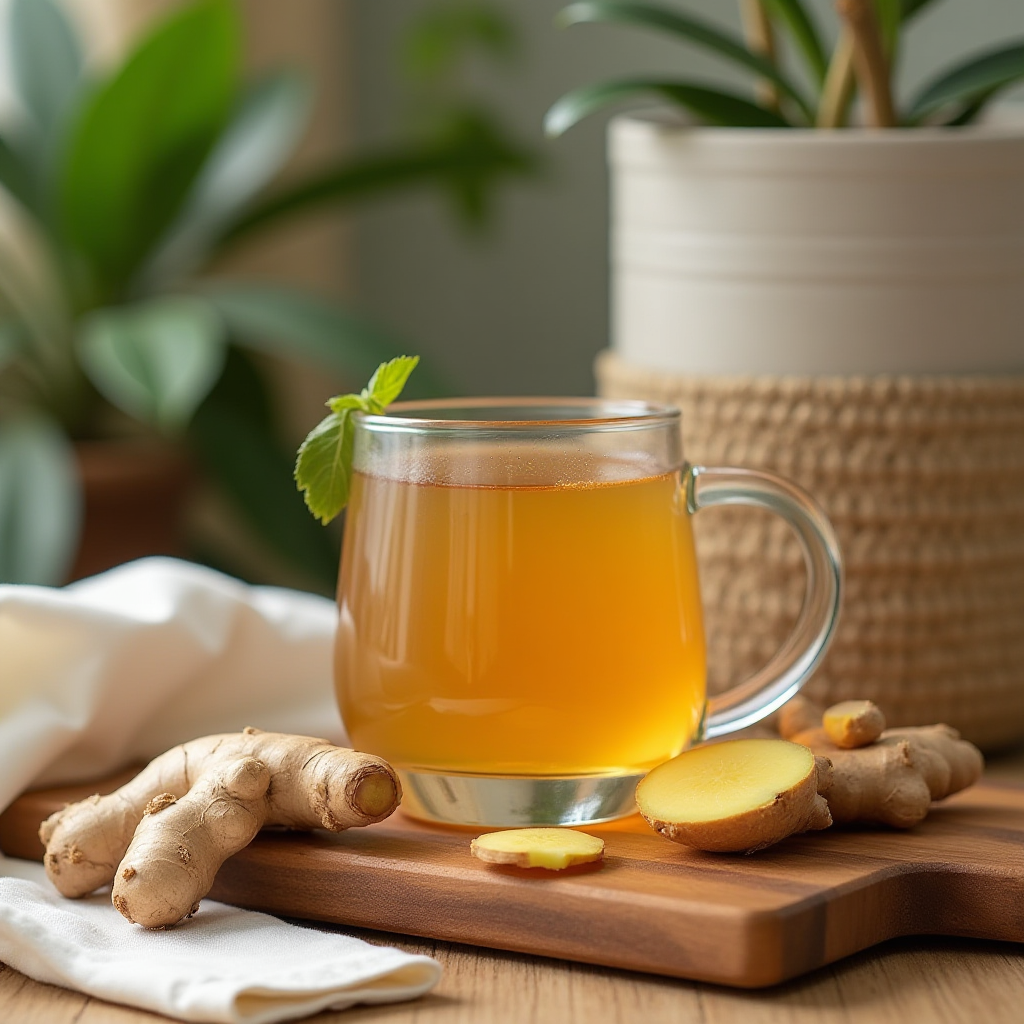
Ginger tea is one of the most effective and accessible herbs for poor circulation. Its warming properties help dilate blood vessels and improve blood flow throughout the body. Ginger contains gingerols and shogaols, compounds that have been shown to improve circulation by relaxing the muscles surrounding blood vessels. For those whose poor circulation manifests as cold hands and feet, a cup of ginger tea can provide noticeable warming within minutes. Ginger is also anti-inflammatory, addressing the chronic inflammation that can damage blood vessels over time. It has a warm, spicy, slightly sweet flavour that is pleasant on its own or blended with other herbs.
Hawthorn Berry tea is a classic cardiovascular herb that directly supports blood vessel health. Hawthorn contains oligomeric proanthocyanidins (OPCs) and flavonoids that help strengthen and relax blood vessels, improving their ability to carry blood efficiently. Unlike acute vasodilators that work temporarily, hawthorn nourishes the blood vessel walls over time, improving their elasticity and function. It is particularly useful for poor circulation that is part of a broader pattern of cardiovascular weakness. Hawthorn tea has a mildly sweet, slightly tart, berry-like flavour and is often consumed as a daily tonic rather than an acute remedy.
Ginkgo biloba tea is well known for its ability to improve circulation, particularly to the brain and extremities. Ginkgo helps dilate blood vessels and reduces the “stickiness” of platelets, improving blood flow through even narrow capillaries. It is often used for conditions involving poor circulation to the hands and feet, as well as for cognitive issues related to reduced blood flow to the brain. Ginkgo tea has a slightly bitter, earthy flavour and is often blended with other herbs such as peppermint or lemon balm to improve palatability.
Rosemary tea is a warming, stimulating herb that improves circulation by dilating blood vessels and increasing blood flow to the extremities. Rosemary contains rosmarinic acid and other compounds that have been shown to improve peripheral circulation. It is particularly useful for people whose poor circulation is accompanied by mental fatigue or “brain fog,” as it also improves blood flow to the brain. Rosemary tea has a pleasant, pine-like, slightly astringent flavour that many people enjoy. It can be drunk on its own or blended with ginger for enhanced warming effects.
Cayenne pepper tea is a powerful circulatory stimulant. Cayenne works by triggering a temporary increase in heart rate and blood flow, warming the body from the inside out. It is particularly effective for acute episodes of cold hands or feet. However, cayenne is strong and can be irritating to the digestive tract if overused. Start with a small amount – a pinch of cayenne in a cup of ginger or hawthorn tea – and increase gradually. Cayenne tea is best used as an occasional acute remedy rather than a daily tonic.
Garlic tea is a traditional remedy for poor circulation. Garlic contains allicin, a compound that helps relax blood vessels and improve blood flow. It also has mild blood-thinning properties and is rich in antioxidants that protect blood vessels from damage. Garlic tea has a strong, pungent flavour that is not to everyone’s taste, but it blends well with ginger or rosemary. For those who cannot tolerate the taste, garlic can be added to savoury broths or soups instead of being drunk as a plain tea.
Butcher’s Broom tea is a lesser-known but highly effective herb for poor circulation, particularly for chronic venous insufficiency and swelling in the legs. Butcher’s Broom contains ruscogenins, compounds that help constrict veins and improve their tone, reducing pooling of blood in the lower legs. It is particularly useful for people who experience heavy, achy legs, varicose veins, or swelling after standing for long periods. Butcher’s Broom tea has a mild, earthy flavour and is often combined with other circulatory herbs.
“If you’d like to try the above herbal teas for yourself, we’ve curated a selection of high-quality, tested sources below. Every product we recommend has been chosen for purity and potency, or visit our online Herbal Tea Shop for even more choice“.
How to choose the right tea for your poor circulation
Selecting the best herbal tea for poor circulation depends on your specific symptoms and underlying causes.
For cold hands and feet with no other symptoms: Ginger tea is the best first choice. Its warming properties provide noticeable relief within minutes.
For poor circulation with cardiovascular weakness or high blood pressure: Hawthorn berry tea supports blood vessel health over time and is gentle enough for daily use.
For poor circulation with cognitive symptoms (brain fog, memory issues): Ginkgo biloba tea improves blood flow to the brain as well as to the extremities.
For acute coldness or sluggish circulation: Cayenne pepper tea provides rapid warming but should be used occasionally rather than daily.
For poor circulation with mental fatigue or “brain fog”: Rosemary tea improves circulation to the brain while also warming the extremities.
For poor circulation with varicose veins, heavy legs, or swelling: Butcher’s Broom tea addresses chronic venous insufficiency and helps improve vein tone.
For those who are pregnant or breastfeeding: Ginger tea in moderate amounts is generally considered safe, but consult a healthcare provider. Hawthorn, ginkgo, and butcher’s broom are typically avoided during pregnancy.
How to use herbal teas for poor circulation effectively
Consistency matters for most circulatory herbs. Hawthorn and ginkgo work cumulatively, with benefits building over weeks or months of daily use. Do not expect immediate results from these herbs.
Use warming herbs acutely. Ginger, cayenne, and rosemary can be used as needed when you feel cold or sluggish. A cup of ginger tea in the morning can help get your circulation going for the day.
Combine herbs for better results. A blend of ginger and hawthorn addresses both acute warming and long-term blood vessel health. Ginger and rosemary together provide both peripheral and cerebral circulatory support.
Combine with movement. Herbal teas work best when combined with physical activity that naturally stimulates circulation. Drink a cup of ginger tea before a walk to enhance the warming effect.
Stay hydrated. Dehydration thickens the blood and makes circulation more difficult. Herbal teas contribute to hydration, but also drink plain water throughout the day.
Address underlying causes. Poor circulation can be caused by smoking, diabetes, high blood pressure, high cholesterol, or a sedentary lifestyle. Herbal teas work best as part of a broader approach that includes lifestyle changes.
Safety considerations
Most herbal teas for poor circulation are safe for regular use when taken as directed. However, several precautions apply.
Ginkgo biloba has significant blood-thinning properties and should not be combined with warfarin, aspirin, or other anticoagulants without medical supervision. It should be discontinued at least two weeks before surgery.
Garlic also has blood-thinning properties and may interact with anticoagulant medications. Consult your healthcare provider before regular use.
Cayenne pepper can cause digestive irritation in large amounts. Start with a small pinch and increase gradually. Avoid if you have gastritis, ulcers, or acid reflux.
Hawthorn may interact with blood pressure medications, beta-blockers, and digoxin. Consult your healthcare provider before regular use if you take heart medications.
Butcher’s Broom may increase blood pressure in some individuals. Those with hypertension should monitor their blood pressure when using this herb.
Ginger is generally very safe but may interact with blood-thinning medications in very large amounts.
If you have a diagnosed circulatory condition, are taking medication, or are scheduled for surgery, consult your healthcare provider before using herbal teas for poor circulation.
Limitations of herbal teas for poor circulation
Herbal teas are not a substitute for medical treatment, particularly for peripheral artery disease, deep vein thrombosis, or severe circulatory disorders. Their effects are mild to moderate and work best as part of a broader approach that includes regular exercise, a healthy diet, smoking cessation, and appropriate medical care. Claims that ginger or ginkgo “cure” poor circulation or “reverse” vascular disease are unsupported; these teas are best understood as supportive tools for circulatory health.
FAQ
What is the best herbal tea for cold hands and feet?
Ginger tea is the best first choice for cold hands and feet. Its warming properties help dilate blood vessels and improve peripheral circulation within minutes.
Can herbal tea help with varicose veins?
Butcher’s Broom tea has been traditionally used for varicose veins and chronic venous insufficiency. It helps improve vein tone and reduce blood pooling in the lower legs.
How long does it take for herbal tea to improve circulation?
Warming herbs like ginger provide noticeable effects within minutes. Cardiovascular herbs like hawthorn and ginkgo require consistent daily use over weeks or months for full benefits.
Is it safe to drink ginger tea every day for circulation?
Yes, ginger tea is safe for daily use for most healthy adults. One to three cups daily is generally recommended.
Can children drink herbal tea for poor circulation?
Chamomile and ginger tea are generally safe for children in appropriate doses. Stronger herbs like ginkgo, cayenne, and butcher’s broom should only be used under professional guidance.
Conclusion
The best herbal teas for poor circulation offer a gentle, natural way to get your blood moving and warm your hands and feet. Ginger provides acute warming and vasodilation. Hawthorn nourishes blood vessel health over time. Ginkgo improves circulation to the brain and extremities. Rosemary stimulates circulation while clearing mental fog. Butcher’s Broom addresses chronic venous insufficiency. By matching the herb to your specific symptoms and using them consistently, herbal tea can become a valuable part of your circulatory wellness routine.
Recommended Products
If you’d like to try the above herbal teas for yourself, we’ve curated a selection of high-quality, tested sources below. Every product we recommend has been chosen for purity and potency, or visit our online Herbal Tea Shop for even more choice.
👉 Best to try first: Ginger Tea
Ginger provides noticeable warming within minutes, dilating blood vessels and improving blood flow to cold hands and feet.
Ginger tea (loose leaf): https://amzn.to/3PmSWQw
Ginger tea bags: https://amzn.to/4szy0Ve
Hawthorn Berry tea (loose leaf): https://amzn.to/4rMmh4m
Hawthorn Berry tea bags: https://amzn.to/3NtVxYk
Ginkgo Biloba tea bags: https://amzn.to/3PQ5nEN
Rosemary tea (loose leaf): https://amzn.to/4su67wN
Butcher’s Broom tea (loose leaf): https://amzn.to/3QaBAXi
Manuka Honey: https://amzn.to/47p7i9g
High-quality Garlic press: https://amzn.to/4sFBsxD
Tea infuser: https://amzn.to/4lAToGE
Glass teapot: https://amzn.to/4snGsGY
Storage boxes: https://amzn.to/47UQgQf
Assortment Box: https://amzn.to/3NFO9ZJ
Visit our online Herbal Tea Shop for more choice!
Do you read novels? Visit our bookshop to check out the ‘culturally grounded, Otherworldly narratives’ by Owen Jones.
Looking for a specific herbal tea? Browse the full A–Z list here:
Herbal Teas A-Z List
Get the Free Herbal Tea Shop Cheat Sheet
Further Reading
For a full evidence-based overview of herbal tea benefits, safety, and quality considerations, read our complete guide to Herbal Tea Benefits
1] For more on heart health and circulation, see Best Herbal Teas for Heart Health
2] For blood pressure support, see Can Herbal Tea Help with Blood Pressure?
3] For cholesterol management, see Herbal Teas for High Cholesterol
4] For safety guidance on herbal teas, see Are Herbal Teas Safe?
5] For potential interactions with medications, see Herbal Tea and Medication
Visit our bookshop to check out the ‘culturally grounded, Otherworldly narratives’ by Owen Jones.
References
1] Government agency guidance on causes, symptoms, and treatment of poor circulation from the National Health Service (NHS) – Peripheral Arterial Disease (PAD)
2] Summary of research on ginkgo for circulation and cognitive function from the National Center for Complementary and Integrative Health (NCCIH) – Ginkgo
3] Evidence-based information on hawthorn for cardiovascular health from the National Center for Complementary and Integrative Health (NCCIH) – Hawthorn
4] Practical recommendations for improving circulation naturally from the Cleveland Clinic – Natural Remedies for Poor Circulation