

Can You Drink Them Daily? Risks and Side Effects
Many people enjoy herbal infusions for their flavour and natural health properties, but a common question remains: about herbal tea safety In most cases, herbal teas are considered safe when consumed in moderate amounts as part of a balanced lifestyle.
Unlike traditional teas made from the Camellia sinensis plant, herbal teas are made from a wide range of flowers, leaves, roots, and seeds. Because each plant contains different natural compounds, the safety of herbal teas can vary depending on the herb used and the amount consumed.
For most healthy adults, drinking one to three cups of herbal tea per day is generally considered safe. However, it is important to understand that herbal teas can still contain biologically active substances that may affect the body.
If you’d like to try these teas for yourself, we’ve curated a selection of high-quality, tested sources below. Every product we recommend has been chosen for purity and potency.
Understanding the Importance of Herbal Tea Safety
Herbal teas have been used in traditional medicine for centuries, and many are well known for their gentle effects. Chamomile, peppermint, ginger, and rooibos are examples of herbs that are widely regarded as safe for regular consumption. Their herbal tea safety has been tried and tested for centuries.
However, some herbs are much stronger and may act more like medicinal preparations than everyday beverages. In these cases, drinking large amounts or using them frequently may cause unwanted effects.
Because herbal teas come from natural plants, quality and preparation also matter. High-quality dried herbs prepared correctly tend to provide the most reliable and safest results.
How herbal teas affct the body.
Herbs Commonly Considered Safe
Several herbal teas are widely consumed around the world and are generally recognised as safe when used in moderate amounts.
Chamomile tea is commonly used for relaxation and digestive comfort. Peppermint tea is popular for soothing the stomach and refreshing the breath. Ginger tea has long been used to support digestion and reduce nausea.
Rooibos tea, a naturally caffeine-free infusion from South Africa, is another widely consumed herbal beverage known for its mild flavour and antioxidant content.
These teas are often considered suitable for daily use by many people.
Herbs That Require Caution
While many herbal teas are gentle, some herbs are stronger and should be used with care. Certain plants contain compounds that may affect blood pressure, hormone balance, or interactions with medications, so their herbal tea safety needs mor scrutiny.
For example, licorice root tea may influence blood pressure if consumed in large quantities. St John’s wort can interact with several medications, including antidepressants and birth control pills.
So, in general, what about herbal tea safety? Because of these potential effects, it is wise to research unfamiliar herbs before drinking them regularly.
Herbal supplements and Safety.
Herbal Tea and Medication Interactions
One important herbal tea safety consideration involves possible interactions with medications. Some herbal compounds can influence how the body processes certain drugs.
For example, herbs such as ginger, turmeric, and ginkgo may affect blood clotting, which could interact with blood-thinning medications like Warfarin. Other herbs may influence liver enzymes responsible for processing medicines.
Anyone taking prescription medication should speak with a healthcare professional before regularly consuming medicinal herbal teas to pose questions about herbal tea safety.
Herbal Tea During Pregnancy
Pregnant women are often advised to be cautious with herbal remedies. While some herbal teas such as ginger or peppermint are commonly used during pregnancy, others may not be recommended.
Certain herbs can stimulate the uterus or influence hormonal balance. Because research on many herbs is limited, healthcare professionals usually recommend avoiding strong medicinal herbs unless advised otherwise.
When in doubt, it is safest to consult a qualified healthcare provider about herbal tea safety.
Quality and Preparation Matter
Herbal tea safety can also depend on its quality. Herbs grown in contaminated soil or stored improperly may contain unwanted substances such as pesticides or mould.
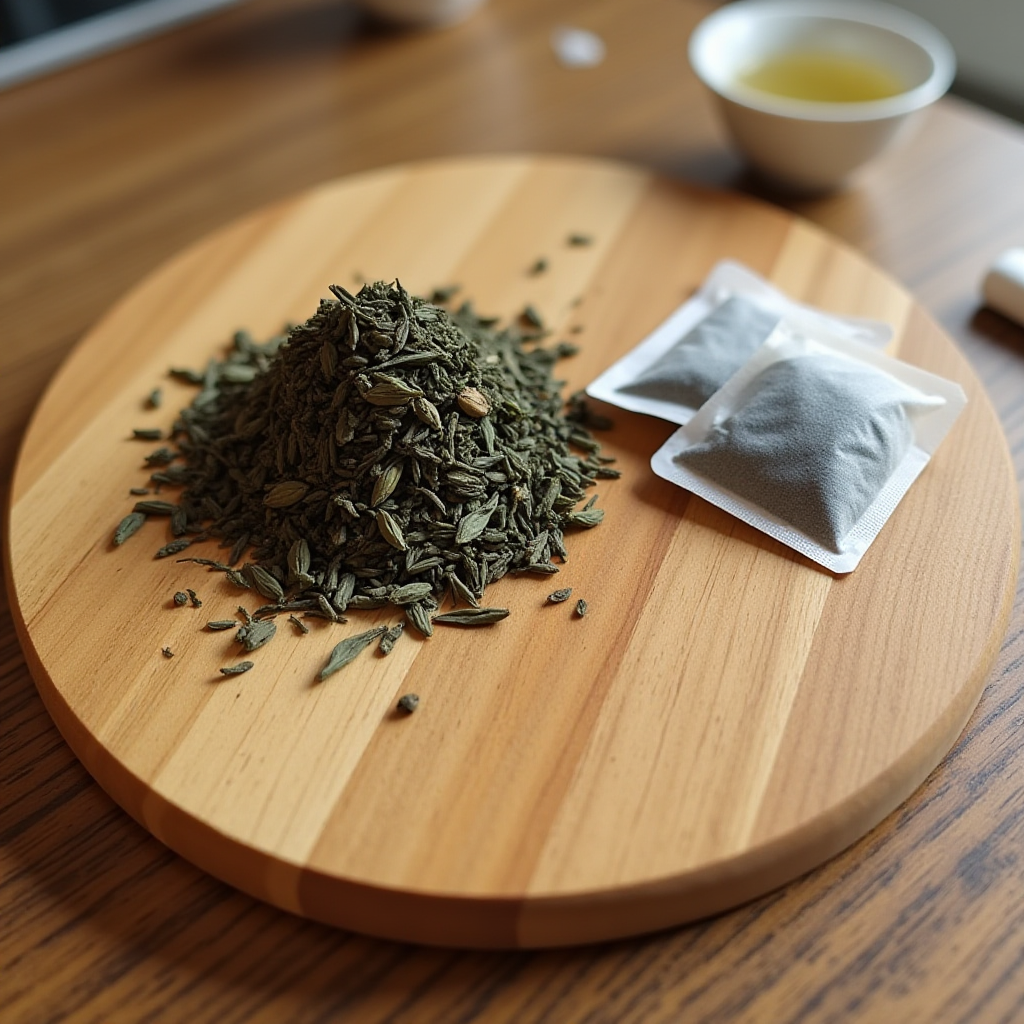
Choosing reputable suppliers and properly stored herbs helps reduce these risks. Loose herbal ingredients often allow people to see the plant material clearly and assess its quality.
Proper brewing also matters. Following recommended steeping times ensures the tea extracts beneficial compounds without becoming excessively strong.
FAQ
Are herbal teas safe to drink every day?
Many herbal teas are safe for daily consumption when enjoyed in moderation. However, it is wise to vary herbs and avoid excessive amounts of strong medicinal teas.
Is there a question about herbal tea safety – can herbal teas have side effects?
Some herbs contain powerful natural compounds and may cause side effects if consumed in large quantities or if they interact with medications.
Which herbal teas are generally considered safest?
Chamomile, peppermint, ginger, and rooibos are among the most widely consumed herbal teas and are generally considered safe for most people.
Should pregnant women drink herbal tea?
Some herbal teas may be suitable during pregnancy, but others should be avoided. It is best to consult a healthcare professional before drinking medicinal herbal teas while pregnant.
Conclusion
So, is there an issue with herbal tea safety? In most cases, no, – when they are consumed in moderation and chosen carefully. Many herbal teas have long histories of traditional use and are enjoyed around the world for both flavour and gentle wellness support.
However, because herbs contain active plant compounds, it is important to understand the properties of each herb and to use them responsibly. Choosing high-quality ingredients and being aware of potential interactions can help ensure that herbal teas remain a safe and enjoyable part of daily life.
Further Reading
For a full evidence-based overview of herbal tea benefits, safety, and quality considerations, read our complete guide to Herbal Tea Benefits.
1] Click the link for more details, specific and general, on the safety of herbal tea.
Visit our bookshop to check out the ‘culturally grounded, Otherworldly narratives’ by Owen Jones.
Recommended Products
Chamomile tea (loose leaf): https://amzn.to/3Pv6zgo
Chamomile tea bags: https://amzn.to/4bCq3XM
Fennel tea (loose leaf): https://amzn.to/4ssAbtF
Fennel tea bags: https://amzn.to/4bzOWU8
Ginger tea (loose leaf): https://amzn.to/3PmSWQw
Ginger tea bags: https://amzn.to/4szy0Ve
Lemon balm tea (loose leaf): https://amzn.to/4bA4NlH
Lemon balm tea bags: https://amzn.to/47elJNf
Peppermint (Loose leaf): https://amzn.to/4lIQSyi
Peppermint (Tea Bags): https://amzn.to/3NMIelO
Tea Infuser: https://amzn.to/4lAToGE
Glass Teapot: https://amzn.to/4snGsGY
Storage Boxes: https://amzn.to/47UQgQf
Assortment Box: https://amzn.to/3NFO9ZJ
Looking for a specific herbal tea? Browse the full A–Z list here:
Herbal Teas A-Z List
Get the Free Herbal Tea Shop Cheat Sheet