


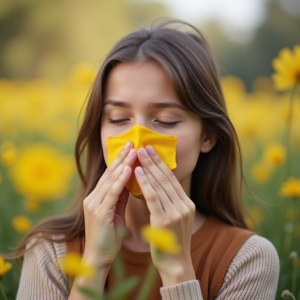
How herbal teas may help support the body during allergy season
Allergies occur when the immune system overreacts to normally harmless substances such as pollen, dust, mould, animal dander, or certain foods. This immune response can trigger sneezing, itchy eyes, sinus congestion, coughing, headaches, skin irritation, runny noses, fatigue, and throat discomfort. Seasonal allergies, hay fever, and environmental sensitivities affect millions of people every year. While herbal teas cannot cure allergies, many herbs have traditionally been used to help calm inflammation, soothe irritated airways, support sinus drainage, and reduce discomfort during allergy flare-ups. Some herbal teas for allergies may also support the body’s inflammatory response and help people feel more comfortable during high-pollen seasons. Read on to find out more about herbal teas for allergies.
Immunity & Infection Support Topics:
1] Herbal Teas for Tonsillitis
2] Herbal Teas for Allergies
3] Herbal Teas for the Relief of Fever
4] Herbal Teas for Cold Sores
5] Herbal Teas for Immunity Support
6] Herbal Teas for Recovery After Illness
7] Home – Herbal Teas for Immunity and Infections
8] Home – Herbal Tea Benefits
9] The Herbal Tea Shop
“If you’d like to try the teas mentioned in this article, we’ve curated a selection of high-quality, tested sources below. Every product we recommend has been chosen for purity and potency, or visit our online Herbal Tea Shop for even more choice”.
Looking for a specific herbal tea? Browse the full A–Z list here:
Herbal Teas A-Z List
Get the Free Herbal Tea Shop Cheat Sheet
How herbal teas may help with allergies
The best herbal teas for allergies work through several mechanisms that may help reduce discomfort during allergy flare-ups.
1] Anti-inflammatory herbs may help calm irritated tissues in the sinuses, throat, and respiratory tract.
2] Natural antihistamine compounds may help support the body’s response to allergens.
3] Decongestant herbs may help reduce sinus pressure and mucus build-up.
4] Soothing herbs may help ease scratchy throats and coughing caused by post-nasal drip.
5] Relaxing herbs may help reduce stress and improve sleep during allergy season.
6] Warm fluids help support hydration and sinus drainage naturally.
The most effective approach combines allergen avoidance, proper medical care where necessary, and supportive remedies such as herbal teas for allergies.
The best herbal teas for allergies
Nettle tea is one of the most widely recommended herbal teas for allergies because it contains compounds traditionally associated with natural antihistamine effects. Nettle has long been used for hay fever, sneezing, itchy eyes, and seasonal allergy symptoms. Some studies suggest nettle may help support the body’s inflammatory response during allergy season. Nettle tea has a mild grassy flavour and is naturally caffeine-free.
Peppermint tea is commonly used for sinus congestion and allergy-related headaches. The menthol in peppermint creates a cooling sensation that may help breathing feel easier during allergy flare-ups. Peppermint tea may also help soothe scratchy throats caused by coughing or post-nasal drip. It is particularly popular during spring allergy season.
Rooibos tea contains antioxidants such as quercetin, which has been studied for its possible role in supporting the body’s response to allergens and inflammation. Rooibos is naturally caffeine-free and gentle enough for regular use. It has a naturally smooth, slightly sweet flavour that many people enjoy daily during allergy season.
Ginger tea is one of the most versatile herbal teas for allergies because of its anti-inflammatory and warming properties. Ginger may help reduce throat irritation, support sinus drainage, and ease inflammatory discomfort associated with allergies. Many people combine ginger with lemon and honey during severe allergy flare-ups.
Chamomile tea may help indirectly by supporting relaxation and sleep during allergy season. Poor sleep can worsen fatigue and discomfort associated with allergies. Chamomile also contains plant compounds traditionally associated with calming inflammation. However, people allergic to ragweed or related plants should use caution with chamomile.
Turmeric tea contains curcumin, which has strong anti-inflammatory and antioxidant properties. Some people use turmeric tea during allergy season to support inflammatory balance and reduce sinus discomfort. Turmeric is often combined with ginger and black pepper for improved absorption and additional warming support.
Green tea contains antioxidants and plant compounds that may help support the body during allergy flare-ups. Some studies suggest compounds in green tea may influence histamine responses. Because green tea contains caffeine, some people prefer to consume it earlier in the day.
Licorice Root tea is traditionally used to soothe irritated throats and respiratory tissues during allergy flare-ups. Its naturally sweet flavour and soothing qualities make it a popular ingredient in respiratory-support tea blends. However, excessive use is not suitable for people with high blood pressure.
Eucalyptus tea is often used for congestion and sinus discomfort. The aromatic compounds in eucalyptus may help open the airways and support easier breathing during allergy season. Eucalyptus tea has a strong medicinal flavour and is often consumed in moderation.
“If you’d like to try the teas mentioned in this article, we’ve curated a selection of high-quality, tested sources below. Every product we recommend has been chosen for purity and potency, or visit our online Herbal Tea Shop for even more choice”.
Choosing the right tea for allergies
Selecting the best herbal tea for allergies depends on the symptoms you experience most often.
1] For sneezing and hay fever: Nettle and rooibos are among the most commonly recommended herbal teas for allergies.
2] For congestion and sinus pressure: Peppermint, eucalyptus, and ginger are traditional choices.
3] For scratchy throats and coughing: Licorice root and marshmallow root may help soothe irritation.
4] For inflammatory discomfort: Turmeric and ginger may help support inflammatory balance.
5] For relaxation and sleep: Chamomile and lemon balm may help encourage rest during allergy season.
6] For caffeine-sensitive individuals: Rooibos, nettle, peppermint, turmeric, and chamomile are naturally caffeine-free.
How to use herbal teas for allergies effectively
Drink regularly during allergy season. Herbal teas for allergies often work best when consumed consistently rather than occasionally.
Drink warm, not boiling hot. Warm fluids may help support sinus drainage and soothe irritation more comfortably.
Combine supportive herbs carefully. Ginger and turmeric, or peppermint and nettle, are popular combinations during allergy flare-ups.
Stay hydrated. Proper hydration may help thin mucus and support sinus comfort naturally.
Reduce exposure to allergens where possible. Herbal teas for allergies work best alongside sensible environmental measures such as reducing dust, pollen exposure, and smoke irritation.
Use honey if appropriate. Local honey is sometimes traditionally used during allergy season, although scientific evidence remains mixed.
Safety considerations
Most herbal teas for allergies are safe when consumed in moderation, but some precautions apply.
Chamomile may trigger reactions in people allergic to ragweed or related plants.
Licorice root may raise blood pressure and should be avoided in excess by people with hypertension, kidney disease, or certain heart conditions.
Green tea contains caffeine and may cause jitters or insomnia in sensitive individuals.
Eucalyptus tea should be consumed in moderation because of its strong aromatic compounds.
People with severe allergies, asthma, breathing difficulties, or suspected anaphylaxis should seek proper medical care promptly.
FAQ
What is the best herbal tea for allergies?
Nettle tea is one of the most popular herbal teas for allergies because of its traditional association with natural antihistamine effects.
Can herbal tea help with hay fever?
Yes. Many people drink herbal teas for allergies such as nettle, peppermint, rooibos, and ginger during hay fever season to help support comfort and sinus relief.
Is peppermint tea good for allergies?
Peppermint tea is commonly used for congestion, sinus pressure, and allergy-related headaches because of its cooling menthol content.
Can I drink herbal teas for allergies every day?
Most herbal teas for allergies can be consumed daily in moderation during allergy season.
When should I see a doctor about allergies?
Seek medical advice if allergies cause breathing difficulty, wheezing, severe swelling, persistent symptoms, or suspected allergic reactions requiring urgent care.
Conclusion
The best herbal teas for allergies may help support comfort during seasonal allergy flare-ups by soothing irritation, supporting sinus drainage, calming inflammation, and encouraging hydration. Nettle remains one of the most popular herbal teas for allergies because of its traditional antihistamine reputation, while peppermint and eucalyptus help support clearer breathing. Rooibos, ginger, turmeric, chamomile, and licorice root provide additional soothing and anti-inflammatory support. Although herbal teas for allergies are not cures for allergic conditions, they may form a useful and comforting part of a broader allergy-management routine.
Recommended Products
If you’d like to try these teas for yourself, we’ve curated a selection of high-quality, tested sources below. Every product we recommend has been chosen for purity and potency, or visit our online Herbal Tea Shop for even more choice.
👉 Best to try first: Nettle Tea
Nettle tea is one of the best-known traditional herbal teas for allergies because of its natural antihistamine reputation and seasonal allergy support. Start here.
Nettle (Loose Leaf): https://amzn.to/4bHUsnA
Nettle Tea Bags: https://amzn.to/47gzNWs
Peppermint (Loose Leaf): https://amzn.to/4lIQSyi
Peppermint Tea Bags: https://amzn.to/3NMIelO
Rooibos (Loose Leaf): https://amzn.to/4sAltAK
Rooibos Tea Bags: https://amzn.to/4bJInyd
Ginger (Loose Leaf): https://amzn.to/3PmSWQw
Ginger Tea Bags: https://amzn.to/4szy0Ve
Chamomile (Loose Leaf): https://amzn.to/3Pv6zgo
Chamomile Tea Bags: https://amzn.to/4bCq3XM
Turmeric (Loose Leaf): https://amzn.to/3Q1GKVo
Turmeric Tea Bags: https://amzn.to/4lZClP2
Green Tea (Loose Leaf): https://amzn.to/4lV0bLO
Green Tea Bags: https://amzn.to/4sx5CmB
Licorice Root (Loose Leaf): https://amzn.to/4uV5Ntx
Licorice Root Tea Bags: https://amzn.to/4t7YA7L
Eucalyptus (Loose Leaf): https://amzn.to/4tPVQfv
Thyme (Loose Leaf): https://amzn.to/3O3BRL2
Thyme Tea Bags: https://amzn.to/4dyq16b
Lemon Balm (Loose Leaf): https://amzn.to/4bA4NlH
Lemon Balm Tea Bags: https://amzn.to/47elJNf
Holy Basil / Tulsi (Loose Leaf): https://amzn.to/4dsdpgJ
Holy Basil / Tulsi Tea Bags: https://amzn.to/4tx4RKg
Elderflower (Loose Leaf): https://amzn.to/4cb3I5h
Manuka Honey: https://amzn.to/47p7i9g
Tea infuser: https://amzn.to/4lAToGE
Glass teapot: https://amzn.to/4snGsGY
Garlic press kit: https://amzn.to/4sFBsxD
Storage boxes: https://amzn.to/47UQgQf
Assortment Box: https://amzn.to/3NFO9ZJ
Visit our online Herbal Tea Shop for more choice!
Do you read novels? Visit our bookshop to check out the ‘culturally grounded, Otherworldly narratives’ by Owen Jones.
Looking for a specific herbal tea? Browse the full A–Z list here:
Herbal Teas A-Z List
Get the Free Herbal Tea Shop Cheat Sheet
Further Reading
For a full evidence-based overview of herbal tea benefits, safety, and quality considerations, read our complete guide to Herbal Tea Benefits.
1] For more information on respiratory irritation and congestion support, see Herbal Teas for Respiratory Inflammation
2] For traditional herbal support during cold and flu season, see Herbal Teas for Immunity and Infections
3] For information about herbal tea safety and moderation, see Herbal Tea Safety
4] For guidance on possible side effects and interactions, see Possible Side Effects of Herbal Tea
5] For practical information about soothing teas commonly used for sore throats, see Can Herbal Tea Help with a Sore Throat?
References
1] The National Center for Complementary and Integrative Health (NCCIH) provides information about complementary approaches commonly used for allergies and immune support
2] The Cleveland Clinic discusses allergy symptoms, sinus irritation, and supportive self-care approaches
3] The National Institutes of Health (NIH) provides research material relating to herbal medicine, inflammation, and allergy support