
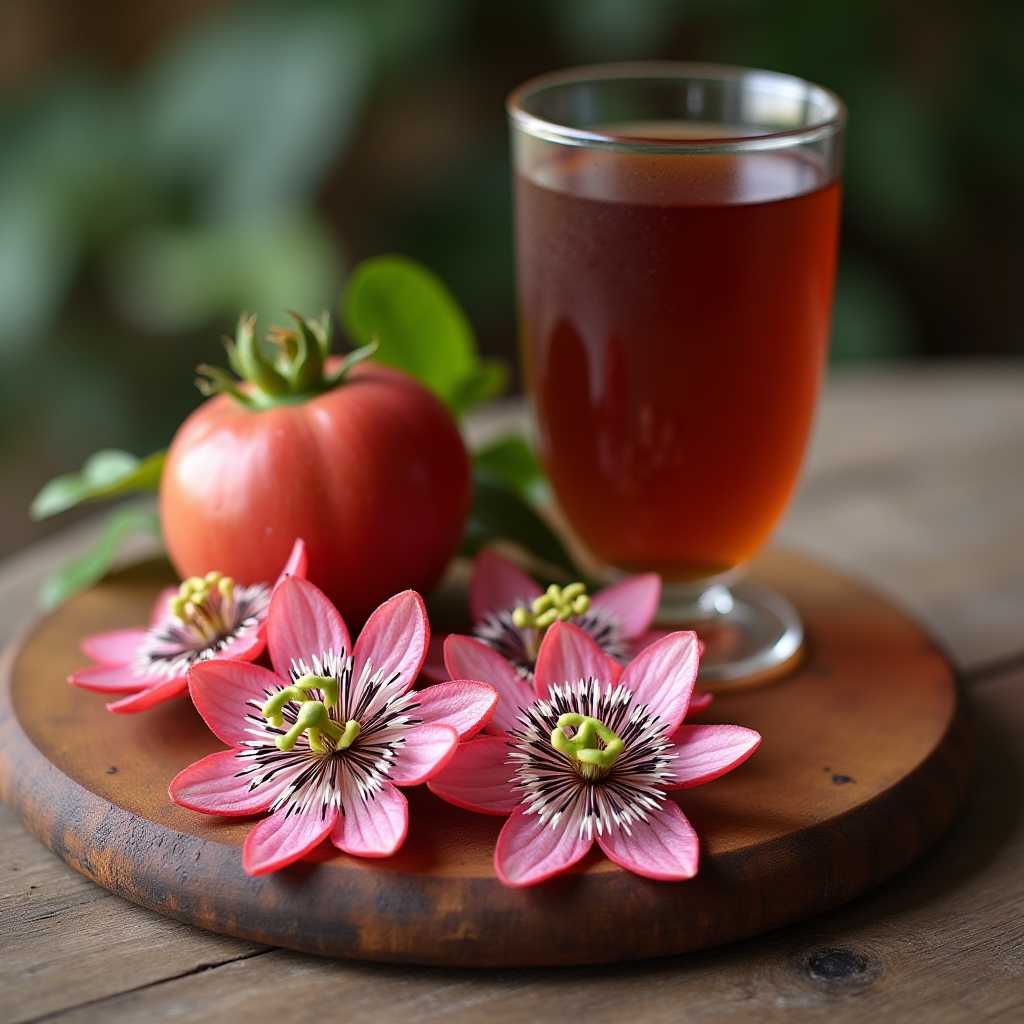

The gentle nervine that quiets a restless mind
Passionflower tea, made from the dried leaves, stems, and flowers of the Passiflora incarnata plant, is one of the most respected herbal remedies for anxiety and sleep disorders. Unlike many calming herbs that work primarily through sedation, passionflower excels at quieting the racing thoughts and mental restlessness that so often underlie both anxiety and insomnia. It has been used for centuries in traditional medicine across the Americas and Europe, and modern research has begun to validate its effectiveness, particularly for generalised anxiety and sleep onset difficulty. Passionflower tea is often described as a “nervine” – a herb that directly nourishes and calms the nervous system. Unlike pharmaceutical anxiolytics, passionflower is non-habit-forming, does not cause significant next-day drowsiness, and is gentle enough for regular use.
If you’d like to try the herbal teas mentioned in this article for yourself, we’ve curated a selection of high-quality, tested sources below. Every product we recommend has been chosen for purity and potency, or visit our online Herbal Tea Shop for even more choice.
Looking for a specific herbal tea? Browse the full A–Z list here:
Herbal Teas A-Z List
Get the Free Herbal Tea Shop Cheat Sheet
What passionflower tea is and how it works
Passionflower (Passiflora incarnata) is a climbing vine native to the southeastern United States, Central America, and South America. Its name comes from the unique structure of its flower, which early Christian settlers interpreted as symbolising the Passion of Christ. The plant has a long history of use in traditional medicine, particularly among Native American and European herbalists, who valued it for its calming and sleep-promoting properties.
The primary active compounds in passionflower include flavonoids (such as apigenin, quercetin, and kaempferol), harmala alkaloids (including harmine and harman), and vitexin (a flavonoid unique to passionflower). These compounds work through several mechanisms: GABAergic activity (increasing GABA levels in the brain, the primary inhibitory neurotransmitter), monoamine oxidase inhibition (mildly affecting neurotransmitter breakdown), anxiolytic effects (reducing anxiety without heavy sedation), and antispasmodic properties (relaxing smooth muscle). Unlike benzodiazepines, which artificially enhance GABA activity in a way that can lead to tolerance and dependence, passionflower appears to work more gently, supporting the body’s natural GABA systems.
When prepared as a tea, these compounds are extracted into the water, providing a gentle but effective way to calm the nervous system. Passionflower is particularly valued because it works without causing significant next-day drowsiness or cognitive impairment, making it suitable for daytime use for anxiety as well as evening use for sleep.
Key health benefits of passionflower tea
Anxiety reduction is the most well-documented benefit of passionflower tea. Multiple clinical studies have shown that passionflower can significantly reduce symptoms of generalised anxiety disorder, with some research suggesting it may be as effective as certain pharmaceutical medications for mild to moderate cases. Unlike benzodiazepines, passionflower does not cause dependency, tolerance, or significant withdrawal effects. It is particularly effective for the kind of anxiety that manifests as racing thoughts, restlessness, and an inability to “switch off.” For those who lie awake at night replaying conversations or worrying about the future, passionflower tea can be transformative.
Sleep support is another significant benefit. Passionflower has been shown to reduce sleep onset latency (the time it takes to fall asleep) and improve overall sleep quality. It is particularly useful for sleep problems driven by anxiety, racing thoughts, or an overactive mind. Unlike valerian, which can cause next-day drowsiness in some people, passionflower tends to be clear-headed. It can be used for both difficulty falling asleep and difficulty staying asleep. A cup of passionflower tea thirty to sixty minutes before bed can help quiet the mental chatter that keeps you awake.
Nervous tension and restlessness are directly addressed by passionflower’s nervine properties. It helps calm the physical sensations of anxiety – the jitteriness, the feeling of being “wound up,” the inability to sit still. For those who experience nervous tension as a constant background hum, regular passionflower tea may help lower the baseline level of arousal.
Panic symptoms can be eased by passionflower tea. While it is not strong enough to stop a full-blown panic attack on its own, it can help reduce the intensity and frequency of panic symptoms, particularly when used regularly. For those who experience anticipatory anxiety – the fear of having a panic attack – passionflower can help raise the threshold at which anxiety escalates into panic.
Stress-related digestive issues benefit from passionflower’s antispasmodic properties. Anxiety and stress often manifest as digestive discomfort – cramping, bloating, “butterflies,” or irritable bowel symptoms. Passionflower relaxes the smooth muscle of the digestive tract, easing these physical manifestations of stress.
Menstrual cramp relief is another traditional use of passionflower. Its antispasmodic and anxiolytic properties can help reduce both the physical pain of cramps and the emotional tension that often accompanies menstruation.
How to prepare passionflower tea
Passionflower tea can be prepared from dried leaves, stems, and flowers. From dried herb: Use one to two teaspoons of dried passionflower per cup of water. Pour freshly boiled water over the herb and steep for 5–10 minutes. Longer steeping produces a stronger, more bitter flavour. Strain well: Strain the tea through a fine mesh strainer or tea infuser to remove the plant material before drinking. Flavour: Passionflower tea has a mildly sweet, earthy, slightly grassy flavour. It is not as floral as chamomile or as pungent as valerian. Some people find it pleasant on its own; others prefer to blend it. Blending: Passionflower blends beautifully with other calming herbs. Classic combinations include passionflower and chamomile, passionflower and lemon balm, passionflower and hawthorn (for anxiety with physical heart symptoms), and passionflower and valerian (for stronger sleep support). Sweetening: A small amount of honey or a cinnamon stick can improve palatability without reducing effectiveness.
How to use passionflower tea safely
Passionflower tea is generally safe for most people when consumed in moderate amounts—one to three cups daily. However, several precautions apply.
Pregnancy and breastfeeding: Passionflower is generally not recommended during pregnancy due to potential uterine-stimulating effects. Some traditional sources suggest it may promote menstruation or induce labour. Breastfeeding women should also avoid passionflower due to limited safety data.
Surgery: Passionflower may interact with anaesthesia and sedative medications. It is generally recommended to discontinue use at least two weeks before scheduled surgery.
Sedatives and anti-anxiety medications: Passionflower may potentiate the effects of benzodiazepines, barbiturates, and other sedatives. If you take medications for anxiety, insomnia, or seizures, consult your healthcare provider before regular use.
MAOIs (monoamine oxidase inhibitors): Passionflower contains harmala alkaloids that have mild MAOI effects. While the concentration in tea is low, individuals taking prescription MAOIs for depression should consult their healthcare provider before regular use.
Blood thinners: Passionflower may have mild blood-thinning properties. If you take warfarin, aspirin, or other anticoagulants, consult your healthcare provider before regular use.
Dizziness: Some individuals may experience mild dizziness, particularly at higher doses. If you feel dizzy after drinking passionflower tea, reduce the amount or frequency.
Children: Passionflower tea is generally considered safe for older children in appropriate doses, but consult a healthcare provider before giving it to young children.
Recommended dosage
For general anxiety and nervous tension, one to two cups of passionflower tea daily is sufficient. For sleep support, drink a cup thirty to sixty minutes before bed. For acute anxiety, an additional cup can be consumed as needed, up to three cups daily. Passionflower works both acutely (within thirty to sixty minutes) and cumulatively (with regular use over weeks).
Limitations of passionflower tea
Passionflower tea is not a substitute for medical treatment, particularly for severe anxiety disorders, panic disorder, or chronic insomnia. Its effects are mild to moderate and work best as part of a broader approach that includes stress management techniques, good sleep hygiene, and professional medical care when needed. Claims that passionflower “cures” anxiety disorders or panic attacks are unsupported; it is best understood as a supportive tool for mild to moderate symptoms.
FAQ
Does passionflower tea help with anxiety?
Yes. Multiple studies have shown that passionflower can significantly reduce symptoms of generalised anxiety disorder. It is particularly effective for racing thoughts and mental restlessness.
Is passionflower tea safe to drink every day?
Yes, passionflower tea is generally safe for daily use for most healthy adults. One to three cups daily is recommended. Unlike pharmaceutical anxiolytics, it does not cause dependency or tolerance.
Does passionflower tea make you sleepy?
Passionflower tea promotes relaxation and can help with sleep onset, but it is not a strong sedative. It is more likely to quiet racing thoughts than to “knock you out.” Most people do not experience significant next-day drowsiness.
What does passionflower tea taste like?
Passionflower tea has a mildly sweet, earthy, slightly grassy flavour. It is not as floral as chamomile or as pungent as valerian. Some people find it pleasant on its own; others prefer to blend it with lemon balm or chamomile.
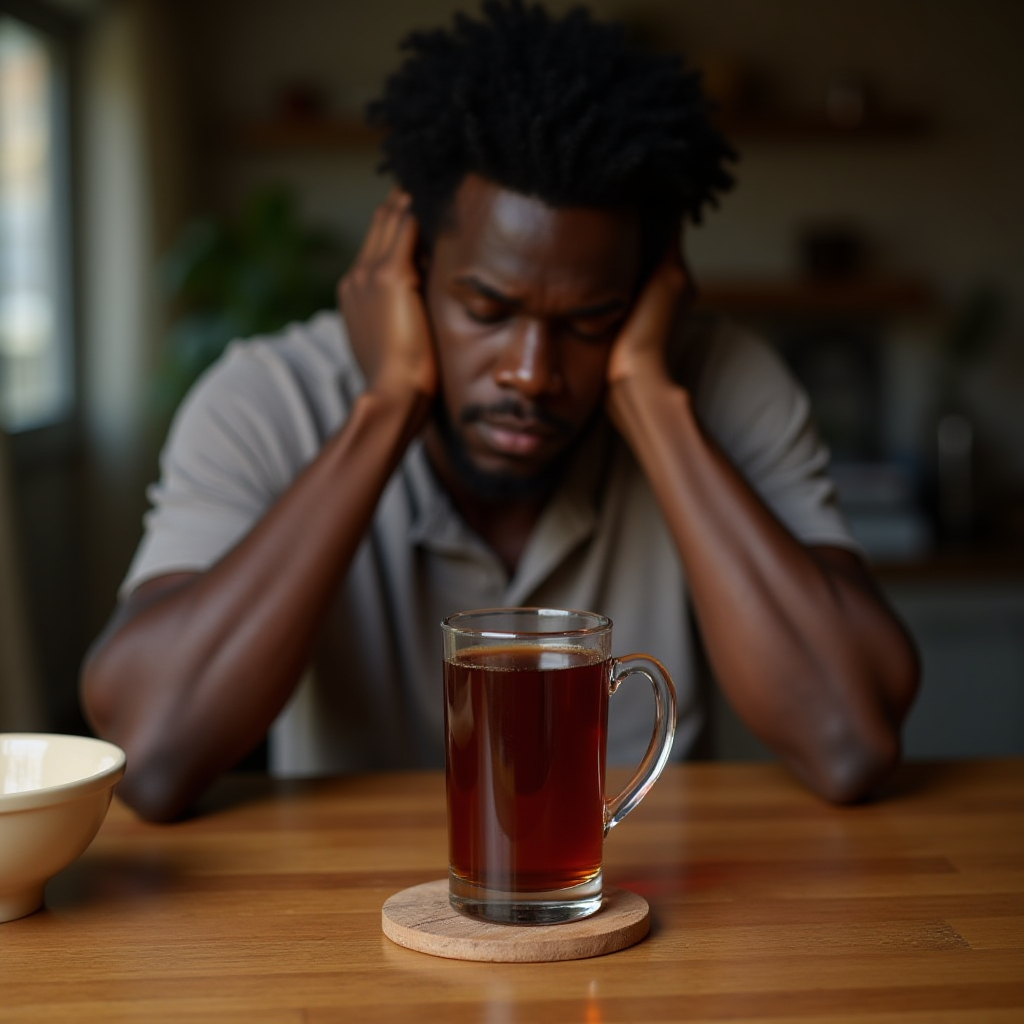
Can I take passionflower tea with my anti-anxiety medication?
Passionflower may potentiate the effects of benzodiazepines and other sedatives. Consult your healthcare provider before combining passionflower with prescription medications.
Conclusion
Passionflower tea offers a gentle, effective, and non-habit-forming way to calm a restless mind, reduce anxiety, and improve sleep. Its unique ability to quiet racing thoughts without causing significant next-day drowsiness makes it valuable for both daytime anxiety and evening sleep support. Unlike pharmaceutical anxiolytics, passionflower works with the body’s natural GABA systems without leading to dependency or tolerance. Used consistently as part of a stress management or sleep routine, passionflower tea can help quiet the mental chatter that keeps you awake and restore a sense of calm.
Recommended Products
If you’d like to try the herbal teas mentioned in this article for yourself, we’ve curated a selection of high-quality, tested sources below. Every product we recommend has been chosen for purity and potency, or visit our online Herbal Tea Shop for even more choice.
Passionflower tea (loose leaf): https://amzn.to/4dhmjNZ
Passionflower tea bags: https://amzn.to/4lXRdgt
Chamomile tea (loose leaf): https://amzn.to/3Pv6zgo
Lemon balm tea (loose leaf): https://amzn.to/4bA4NlH
Valerian root tea (loose leaf): https://amzn.to/4sq5x43
Manuka Honey: https://amzn.to/47p7i9g
High-quality Garlic press: https://amzn.to/4sFBsxD
Tea infuser: https://amzn.to/4lAToGE
Glass teapot: https://amzn.to/4snGsGY
Storage boxes: https://amzn.to/47UQgQf
Assortment Box: https://amzn.to/3NFO9ZJ
Visit our online Herbal Tea Shop for more choice!
Do you read novels? Visit our bookshop to check out the ‘culturally grounded, Otherworldly narratives’ by Owen Jones.
Looking for a specific herbal tea? Browse the full A–Z list here:
Herbal Teas A-Z List
Get the Free Herbal Tea Shop Cheat Sheet
Further Reading
For a full evidence-based overview of herbal tea benefits, safety, and quality considerations, read our complete guide to Herbal Tea Benefits
1] For more on anxiety and stress relief, see:
Best Herbal Teas for Anxiety and Stress Relief
2] For sleep support, see:
Herbal Teas for Sleep
3] For nervous tension, see:
Best Herbal Teas for Nervous Tension
4] For panic symptoms, see:
Herbal Teas for Panic Symptoms
5] For safety guidance on herbal teas, see:
Are Herbal Teas Safe?
6] For potential interactions with medications, see:
Herbal Tea and Medication
7] For creating a calming bedtime ritual, see:
Creating a Personal Tea Ritual
Visit our bookshop to check out the ‘culturally grounded, Otherworldly narratives’ by Owen Jones.
References
1] National Center for Complementary and Integrative Health (NCCIH) – Passionflower:
https://www.nccih.nih.gov/health/passionflower
Provides evidence-based information on passionflower safety and research.
2] National Institutes of Health (NIH) – Passionflower for Anxiety:
https://www.ncbi.nlm.nih.gov/pmc/articles/PMC8168520/
Peer-reviewed study on passionflower’s anxiolytic effects.
3] European Medicines Agency – Passionflower:
https://www.ema.europa.eu/en/medicines/herbal/passiflora-incarnata
Offers regulatory and safety assessments for passionflower preparations.
4] Cleveland Clinic – Passionflower Tea Benefits:
https://health.clevelandclinic.org/passionflower-tea-benefits
Provides practical guidance on passionflower tea uses and benefits.
Looking for a specific herbal tea? Browse the full A–Z list here:
Herbal Teas A-Z List
Get the Free Herbal Tea Shop Cheat Sheet