


The gentle nervine for nervous tension, restlessness, and mental fatigue
Racing thoughts that won’t stop? A feeling of being “wired but tired” – exhausted but unable to relax? Skullcap tea is different. It does not sedate or stimulate. It restores. Used for centuries in traditional herbalism as a gentle nervine for nervous disorders, skullcap rebuilds calm and resilience from within. Read on to find out more.
If you would like to try the herbal teas mentioned in this article for yourself, we have curated a selection of high-quality, tested sources below. Every product we recommend has been chosen for purity and potency, or visit our online Herbal Tea Shop for even more choice.
Looking for a specific herbal tea? Browse the full A–Z list here:
Herbal Teas A-Z List
Get the Free Herbal Tea Shop Cheat Sheet
What skullcap tea is and how it works
Skullcap tea is made from the aerial parts of Scutellaria lateriflora, a flowering plant native to North America. Unlike the skullcap species used in Traditional Chinese Medicine (Scutellaria baicalensis), which is used for inflammation, Scutellaria lateriflora (often called American skullcap) is specifically indicated for nervous system support. It has been used in Western herbalism for centuries as a gentle, restorative nervine for nervous tension, restlessness, anxiety, and mental fatigue. The active compounds include flavonoids (particularly baicalin, baicalein, and wogonin), iridoids, and volatile oils. These work together to modulate GABA activity in the brain, reduce nervous system overactivation, and protect nerve cells from oxidative stress. Modern research suggests that skullcap has anxiolytic and anticonvulsant properties, though most evidence comes from traditional use and animal studies rather than large human trials. Skullcap tea is not a quick fix. It works gently and cumulatively – restoring calm over weeks of consistent use. For those who feel constantly on edge but find stronger sedatives too heavy, skullcap tea is an excellent choice.
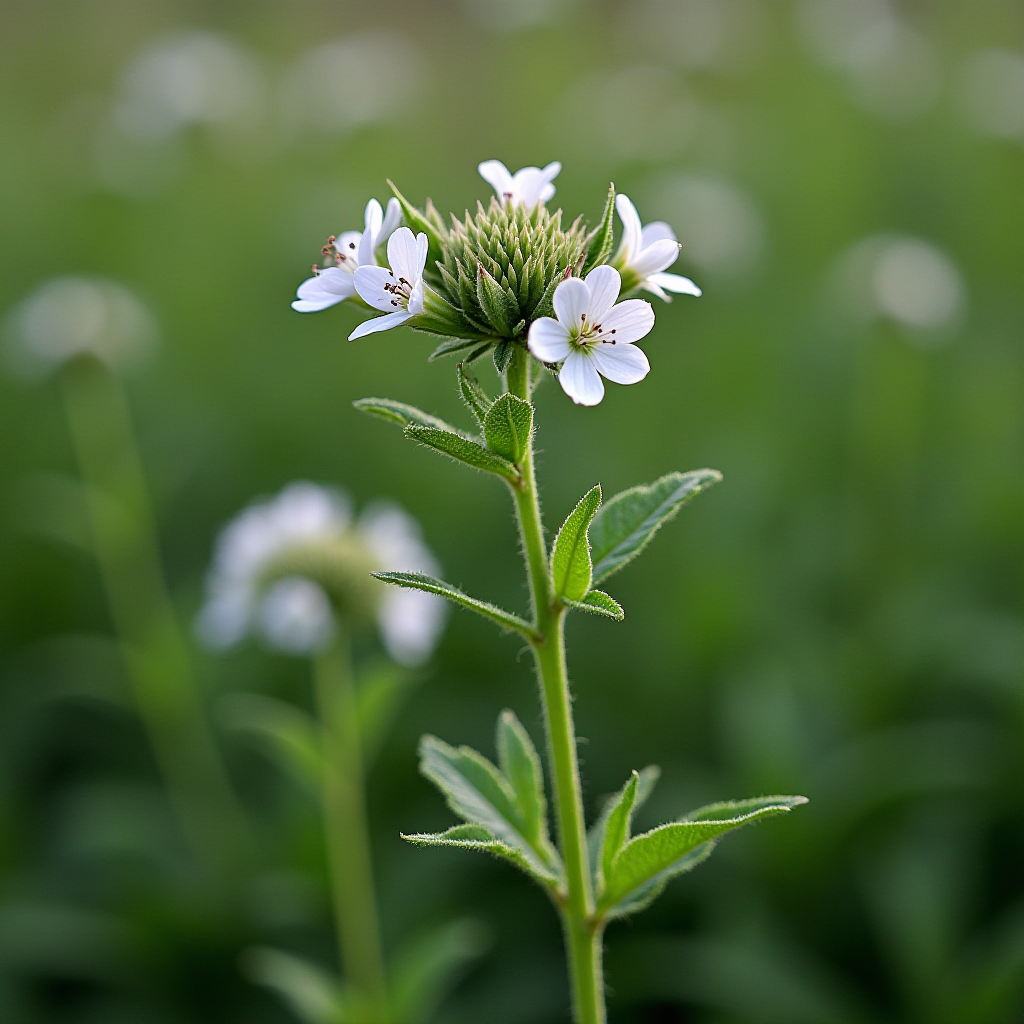
Skullcap (Scutellaria lateriflora) is a member of the mint family, though it lacks the familiar minty aroma and flavour. It is a perennial plant that grows in wet woodlands and along stream banks across North America. The plant gets its name from the small, helmet-like shape of its flowers, which resemble the skullcaps worn by medieval monks.
The primary active compounds in skullcap include:
- Baicalin and baicalein – flavonoids that interact with GABA receptors, producing mild calming effects
- Wogonin – a flavonoid with anxiolytic and anti-inflammatory properties
- Iridoids – compounds that may support nervous system health
- Volatile oils – aromatic compounds that contribute to the herb’s soothing properties
Skullcap works as a nervine trophorestorative – a type of herb that nourishes and rebuilds nerve tissue over time. Unlike nervine sedatives (like valerian) that force relaxation, skullcap gently supports the nervous system’s own ability to regulate itself. Unlike stimulants that mask fatigue, skullcap addresses the underlying exhaustion.
The flavonoids in skullcap bind to GABA receptors in the brain, similar to how chamomile and passionflower work, but with a different receptor profile that may make it particularly effective for nervous tension accompanied by physical restlessness. Skullcap also has mild antispasmodic properties, helping to relax tight muscles and reduce the physical sensations of tension.
Key health benefits of skullcap tea
Nervous tension and restlessness is the most common reason people turn to skullcap tea. Unlike pharmaceutical sedatives or even stronger herbal nervines like valerian, skullcap does not cause significant drowsiness or next-day fog. It works gently to reduce the feeling of being constantly “wired” – that state of nervous tension where you feel exhausted but unable to relax. Over time, users report feeling more grounded and less reactive to daily stressors. For more on managing nervous tension naturally, see our guide to Herbal Teas for Nervous Tension.
Anxiety with physical symptoms is another area where skullcap excels. For people whose anxiety manifests as physical restlessness – fidgeting, muscle tension, an inability to sit still – skullcap’s mild antispasmodic and calming properties are particularly helpful. Unlike some calming herbs that primarily affect mental anxiety, skullcap addresses both the mind and the body. For more on anxiety support, see Best Herbal Teas for Anxiety and Stress Relief.
Mental fatigue and burnout is a traditional use of skullcap. For people who feel “tired but wired” – exhausted by stress but unable to calm down – skullcap helps restore the nervous system’s ability to rest and repair. It is often recommended for burnout, chronic stress, and recovery from illness. Unlike caffeine or other stimulants that provide temporary energy at the cost of deeper exhaustion, skullcap addresses the underlying nervous system depletion.
Sleep support without heavy sedation is another benefit of skullcap. While not as strong as valerian or passionflower, skullcap can be helpful for people whose sleep difficulties are driven by an inability to relax rather than by an overactive mind. It is particularly useful for those who find stronger sedatives leave them feeling groggy the next morning. Skullcap is often combined with other gentle nervines like lemon balm or chamomile for sleep support.
Muscle tension and twitching can be eased by skullcap’s mild antispasmodic properties. For people who experience nervous tics, eyelid twitching, or general muscle tension related to stress, skullcap tea may help reduce these symptoms. This makes it distinct from many other calming herbs that primarily affect mental rather than physical symptoms.
Nerve pain and neuralgia has been traditionally treated with skullcap, though evidence is largely anecdotal. Some herbalists recommend skullcap for shingles pain, trigeminal neuralgia, and other forms of nerve pain. The anti-inflammatory and neuroprotective properties of its flavonoids may be responsible for these effects.
Withdrawal support is another traditional application of skullcap. It has been used to help people withdraw from benzodiazepines and other sedative medications, as well as from alcohol. Skullcap supports the nervous system during the difficult adjustment period, reducing anxiety, restlessness, and physical tension. For more on safety during withdrawal, see Are Herbal Teas Safe?.
How to prepare skullcap tea
Skullcap is a leafy herb. It infuses well with standard steeping.
Hot infusion method: Use one to two teaspoons of dried skullcap per cup of water. Pour freshly boiled water over the herb. Cover and steep for 10–15 minutes. Strain and serve. Longer steeping extracts more of the active flavonoids.
Tea bag method: Use one tea bag per cup. Steep in freshly boiled water for 10–15 minutes.
Flavour: Skullcap tea has a mild, slightly bitter, earthy flavour. It is not as pleasant as lemon balm or chamomile, but it is much milder than valerian or ashwagandha. Most people find it drinkable without sweetener, though honey or a slice of lemon can improve palatability. A small amount of peppermint or lemon balm can also be added to mask the bitterness.
Blending: Skullcap blends well with other nervines. Good combinations include:
- Skullcap with lemon balm for daytime nervous tension
- Skullcap with chamomile for evening relaxation
- Skullcap with passionflower for stronger support
- Skullcap with peppermint for physical tension
Dosage: For general nervous tension, one to two cups daily. For anxiety with physical symptoms, two to three cups daily. For sleep support, one cup in the evening. For withdrawal support, up to four cups daily under professional guidance.
If you would like to try the herbal teas mentioned in this article for yourself, we have curated a selection of high-quality, tested sources below. Every product we recommend has been chosen for purity and potency, or visit our online Herbal Tea Shop for even more choice.
How to use skullcap tea safely
Skullcap is generally safe for most people when consumed in moderate amounts – one to three cups daily. However, several precautions apply.
Pregnancy and breastfeeding: There is limited safety data on skullcap tea during pregnancy and breastfeeding. It is generally recommended to avoid medicinal doses unless under professional guidance. The traditional use of skullcap during pregnancy is controversial, and most modern herbalists advise against it. For more guidance, see Herbal Tea during Pregnancy.
Sedatives and anxiety medications: Skullcap may potentiate the effects of benzodiazepines, barbiturates, and other sedative medications. If you take prescription sedatives or anti-anxiety medications, consult your healthcare provider before regular use. For more on this topic, see Herbal Tea and Medication.
Liver conditions: There have been rare reports of liver injury associated with skullcap-containing products, though many of these involved adulterated products or combination formulas. To be safe, those with liver disease should consult a healthcare provider before use. Always source skullcap from reputable suppliers to ensure purity.
Alcohol withdrawal: Skullcap has traditionally been used to support alcohol withdrawal, but this should only be done under medical supervision. Alcohol withdrawal can be dangerous and requires proper medical care.
Driving and operating machinery: Skullcap may cause mild drowsiness in some individuals, particularly at higher doses. Assess your response before driving or operating heavy machinery.
Allergies: Individuals allergic to plants in the mint family (Lamiaceae) may be allergic to skullcap. Start with a small amount to test for sensitivity.
Children: Skullcap is generally considered safe for children in appropriate doses, but consult a healthcare provider before giving it to young children. Use half the adult dose.
Recommended dosage
For general nervous tension and stress management, one to two cups daily is sufficient. For anxiety with physical symptoms or restlessness, two to three cups daily may be consumed. For sleep support, one cup in the evening, thirty to sixty minutes before bed. For withdrawal support or severe nervous exhaustion, three to four cups daily for several weeks, then reduce to a maintenance dose. Skullcap works cumulatively – benefits typically become noticeable after one to two weeks of consistent daily use, with full effects after three to four weeks.
Limitations of skullcap tea
Skullcap tea is not a substitute for medical treatment, particularly for severe anxiety disorders, panic disorder, or seizure disorders. Its effects are gentle and cumulative, not immediate or dramatic. Do not stop prescribed psychiatric medications in favour of skullcap tea without medical supervision. The tea is less concentrated than skullcap extracts or tinctures. If you have significant neurological or psychiatric conditions, tinctures or supplements may be more appropriate. Claims that skullcap “cures” anxiety or “treats” epilepsy are unsupported; it is best understood as a supportive tonic for overall nervous system health. Also note that Chinese skullcap (Scutellaria baicalensis) is a different species with different uses and safety profiles – ensure you are purchasing Scutellaria lateriflora (American skullcap) for nervous system support.
FAQ
Is skullcap tea good for nervous tension?
Yes. Skullcap tea is specifically indicated for nervous tension, particularly the kind that leaves you feeling “wired but tired” – exhausted by stress but unable to relax. It works gently to calm the nervous system without heavy sedation.
Does skullcap tea help with anxiety?
Yes, particularly anxiety that manifests with physical symptoms such as restlessness, muscle tension, or fidgeting. Skullcap’s mild antispasmodic and GABAergic properties help calm both mental and physical anxiety.
Is skullcap tea safe to drink every day?
Yes, for most healthy adults, one to three cups of skullcap tea daily is safe. Those taking sedatives or with liver conditions should consult a healthcare provider first.
What does skullcap tea taste like?
Skullcap tea has a mild, slightly bitter, earthy flavour. It is not as pleasant as chamomile or lemon balm, but it is much milder than valerian. Blending with peppermint, lemon balm, or honey improves palatability.
How long does it take for skullcap tea to work?
Skullcap works cumulatively rather than acutely. Most people notice improvements in nervous tension and restlessness after one to two weeks of consistent daily use, with full effects after three to four weeks.
Conclusion
Skullcap tea is a gentle, safe, and effective restorative for the nervous system, particularly for nervous tension, restlessness, and the “wired but tired” state of burnout. Unlike sedatives that force relaxation or stimulants that mask fatigue, skullcap nourishes the nervous system, helping it find its own natural state of calm. For anxiety with physical symptoms, mental fatigue, and sleep difficulties without heavy sedation, skullcap tea offers a cumulative, sustainable path to resilience. Used consistently as part of a healthy lifestyle, skullcap tea can help restore a calm, grounded, and steady nervous system.
Recommended Products
If you would like to try the herbal teas mentioned in this article for yourself, we have curated a selection of high-quality, tested sources below. Every product we recommend has been chosen for purity and potency, or visit our online Herbal Tea Shop for even more choice.
Skullcap tea (loose leaf): https://amzn.to/3OjEFDS
Blending and support herbs:
Lemon balm tea (loose leaf)
Lemon balm tea bags
Chamomile tea (loose leaf)
Chamomile tea bags
Passionflower tea (loose leaf)
Passionflower tea bags
Peppermint tea (loose leaf)
Peppermint tea bags
Manuka Honey
High-quality Garlic press
Tea infuser
Glass teapot
Storage boxes
Assortment Box
Visit our online Herbal Tea Shop for more choice.
Do you read novels? Visit our bookshop to check out the culturally grounded, Otherworldly narratives by Owen Jones.
Further Reading
For a full evidence-based overview of herbal tea benefits, safety, and quality considerations, read our complete guide to Herbal Tea Benefits.
1] Best Herbal Teas for Anxiety and Stress Relief – A comprehensive guide to herbal teas that calm the nervous system and reduce stress
2] Herbal Teas for Nervous Tension – Targeted advice for the specific feeling of being wound up and unable to relax
3] Herbal Teas for Panic Symptoms – For acute episodes of intense anxiety and physical distress
4] Are Herbal Teas Safe? – General safety guidance for all herbal teas including contraindications
5] Herbal Tea and Medication – Important information about potential interactions with prescription drugs
References
1] National Center for Complementary and Integrative Health (NCCIH) – Skullcap – Government agency overview of skullcap’s traditional uses and safety concerns
2] Memorial Sloan Kettering Cancer Center – Skullcap – Cancer centre professional monograph on active compounds and clinical evidence
3] WebMD – Skullcap: Uses and Risks – Consumer-level information on dosage, benefits, and side effects
4] Mount Sinai – Skullcap – Health system reference on skullcap as a nervine for nervous tension
5] PubMed – Flavonoids of Scutellaria lateriflora – Scientific study identifying the active compounds in American skullcap