
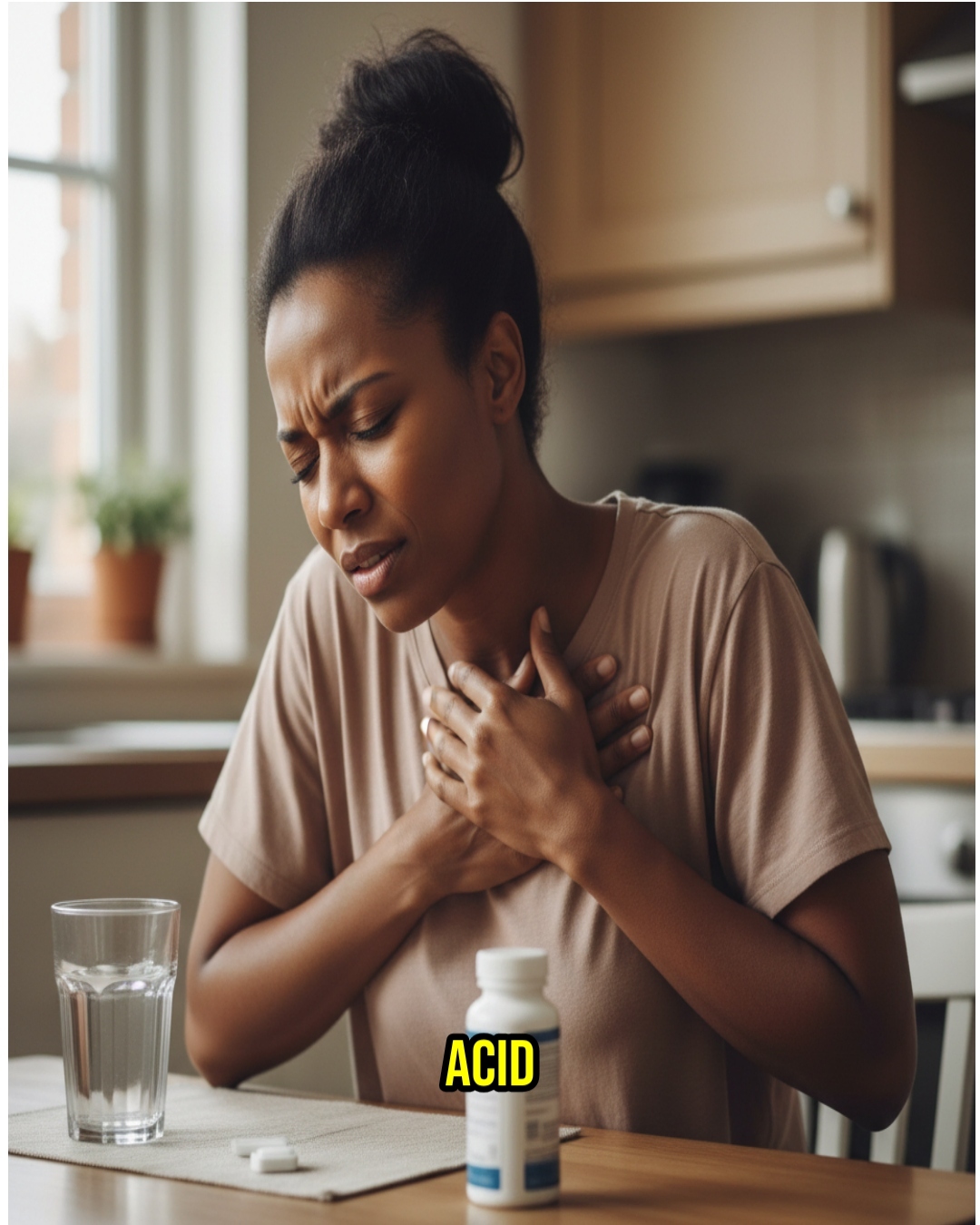


How to tell the difference and find the right relief
You feel a burning sensation in your chest. Or is it pressure? Maybe it is bloating. Maybe it is a sharp pain under your ribs. You reach for an antacid, but it does nothing. Or you try peppermint tea, and suddenly the burning gets worse. The confusion is real. Gas and heartburn produce similar sensations, but they are different problems requiring different solutions. The wrong remedy can make things worse – peppermint tea is excellent for gas but can trigger heartburn. Antacids may help heartburn but do nothing for trapped gas. This guide helps you tell whether it’s gas or heartburn, then recommends the right herbal teas for each. By the end, you will know exactly which tea to reach for and which to avoid.
“If you’d like to try these teas for yourself, we’ve curated a selection of high-quality, tested sources below. Every product we recommend has been chosen for purity and potency, or visit our online Herbal Tea Shop for even more choice.“
Looking for a specific herbal tea? Browse the full A–Z list here:
Herbal Teas A-Z List
Get the Free Herbal Tea Shop Cheat Sheet
Gas or heartburn? How to tell the difference
Gas and heartburn can feel similar, but they have distinct characteristics. Learning to tell whether it’s gas or heartburn is the first step to finding relief.
Gas symptoms:
- Feeling of pressure, fullness, or bloating in the abdomen
- Sharp, cramping pain that moves around
- Pain that improves after passing gas or having a bowel movement
- Belching or flatulence
- No burning sensation in the chest
Heartburn symptoms:
- Burning sensation in the chest, often behind the breastbone
- Pain that worsens when lying down or bending over
- Sour or bitter taste in the mouth
- Burning that may travel up the throat
- No bloating or cramping
Overlap: Sometimes you have both. Trapped gas can push stomach contents upward, triggering heartburn. Chronic heartburn (GERD) can coexist with gas from the same triggers (fatty foods, overeating, carbonated drinks).
If you are still unsure whether it’s gas or heartburn, try the “peppermint test.” Peppermint tea relaxes the lower oesophageal sphincter. If it makes the burning worse, you have heartburn. If it relieves pressure and cramping, you have gas.
Herbal teas for gas relief
If you have confirmed that your discomfort is gas (bloating, pressure, cramping, no burning), these teas will help.
Fennel tea is a classic carminative that relaxes the digestive tract and helps trapped gas pass. It is safe, gentle, and naturally sweet. Drink after meals or when gas builds.
Ginger tea stimulates digestion and helps move gas through the system. It also reduces the fermentation that produces gas in the first place.
Caraway tea is a traditional European remedy for gas and bloating. Its antispasmodic properties reduce cramping while helping trapped gas pass.
Anise tea works similarly to fennel, with a sweet, liquorice-like flavour that is pleasant and effective.
Avoid peppermint if you have any doubt. Peppermint is excellent for gas, but it can trigger heartburn. If you are certain it is gas, peppermint is fine. If there is any chance of heartburn, choose fennel instead.
Herbal teas for heartburn relief
If you have confirmed that your discomfort is heartburn (burning sensation, worse when lying down), these teas will help soothe without making it worse.
Chamomile tea is a gentle anti-inflammatory that can help calm the burning sensation of heartburn. It has mild antispasmodic effects that may help relax the lower oesophageal sphincter without relaxing it too much. Chamomile is safe and well tolerated.
Ginger tea helps settle the stomach and reduce inflammation. Unlike peppermint, ginger does not relax the lower oesophageal sphincter, making it safe for heartburn sufferers. Drink ginger tea between meals or when heartburn strikes.
Slippery Elm tea coats the oesophagus and stomach lining, creating a protective barrier against stomach acid. It is one of the most effective natural remedies for heartburn. Prepare as a cold infusion for maximum mucilage extraction.
Marshmallow Root tea works similarly to slippery elm, coating and soothing irritated tissues. It is best prepared as a cold infusion.
Avoid peppermint at all costs. Peppermint relaxes the lower oesophageal sphincter, allowing stomach acid to splash back up. It is excellent for gas but terrible for heartburn.
Avoid citrus and spice. Lemon, orange, hibiscus (tart), and strong spices can trigger or worsen heartburn.
Teas that work for both (with caution)
Whether you have gas or heartburn, or both, or you are unsure which one you have, these teas are the safest choices.
Chamomile tea is gentle, anti-inflammatory, and does not trigger heartburn. It provides mild relief from gas or heartburn without making either worse.
Ginger tea settles the stomach, reduces inflammation, and aids digestion. It is safe for both whether it’s gas or heartburn.
Fennel tea is usually safe for heartburn, though it works best for gas. It does not relax the lower oesophageal sphincter like peppermint. Fennel is a good choice if you lean toward gas but are not certain.
If you’d like to try these teas for yourself, we’ve curated a selection of high-quality, tested sources below. Every product we recommend has been chosen for purity and potency, or visit our online Herbal Tea Shop for even more choice.
How to use these teas effectively for gas or heartburn
For gas: Drink tea after meals or when symptoms appear. Carminatives work within 15–30 minutes.
For heartburn: Drink tea between meals, not immediately after eating. A full stomach increases pressure and makes heartburn worse. Sip slowly.
For both: Drink chamomile or ginger tea after meals for gas, and between meals for heartburn.
Keep a diary. Note what you ate, what you felt (burning or pressure?), and which tea helped. Over time, you will learn your patterns and whether it’s gas or heartburn.
When to see a doctor
Seek medical attention if you experience:
- Frequent heartburn (more than twice a week)
- Difficulty swallowing
- Unexplained weight loss
- Black or bloody stools
- Chest pain with shortness of breath (this could be a heart attack)
- Symptoms that persist despite dietary changes and herbal teas
These could indicate GERD, a hiatal hernia, an ulcer, or other conditions requiring medical treatment.
FAQ
Is peppermint tea good for heartburn?
No. Peppermint tea relaxes the lower oesophageal sphincter, which can worsen heartburn. Avoid it if you have any burning sensation.
Can I drink fennel tea for heartburn?
Yes, fennel tea is generally safe for heartburn. It does not relax the lower oesophageal sphincter like peppermint. It is best for gas but safe for either gas or heartburn.
What is the best tea for gas and heartburn together?
Chamomile or ginger tea are the safest choices for both conditions. They provide mild relief without making either gas or heartburn worse.
Why does peppermint tea help my gas but hurt my chest?
Peppermint relaxes smooth muscle throughout the digestive tract. This helps trapped gas pass but also relaxes the valve that keeps stomach acid down. If you have silent reflux or mild heartburn, peppermint can trigger burning.
How quickly do these teas for gas or heartburn work?
Carminatives for gas (fennel, caraway) work within 15–30 minutes. Demulcents for heartburn (slippery elm, marshmallow root) provide relief within minutes due to the physical coating action.
Conclusion
Whether it’s gas or heartburn the sensation can feel similar but require different solutions. Peppermint, fennel, caraway, and anise are excellent for gas but peppermint can worsen heartburn. Chamomile, ginger, slippery elm, and marshmallow root are safe for heartburn. If you are unsure whether you have gas or heartburn, start with chamomile or ginger – they work for both and will not make anything worse. Learn to tell whether it’s gas or heartburn by their call signs, choose the right tea, and keep the wrong one out of your cup.
Recommended Products
If you’d like to try these teas for yourself, we’ve curated a selection of high-quality, tested sources below. Every product we recommend has been chosen for purity and potency, or visit our online Herbal Tea Shop for even more choice.
Fennel tea (loose leaf): https://amzn.to/4ssAbtF
Fennel tea bags: https://amzn.to/4bzOWU8
Ginger tea (loose leaf): https://amzn.to/3PmSWQw
Ginger tea bags: https://amzn.to/4szy0Ve
Chamomile tea (loose leaf): https://amzn.to/3Pv6zgo
Chamomile tea bags: https://amzn.to/4bCq3XM
Caraway tea bags: https://amzn.to/492cfoY
Anise tea (loose leaf): https://amzn.to/4sHROpc
Anise tea bags: https://amzn.to/4bWvzol
Peppermint tea (loose leaf): https://amzn.to/4lIQSyi
Peppermint tea bags: https://amzn.to/3NMIelO (use only for confirmed gas)
Slippery Elm (powder): https://amzn.to/4sx6yHl
Marshmallow Root tea (loose leaf): https://amzn.to/4byt2SA
Marshmallow Root tea bags: https://amzn.to/4demxpf
Manuka Honey: https://amzn.to/47p7i9g
High-quality Garlic press: https://amzn.to/4sFBsxD
Tea infuser: https://amzn.to/4lAToGE
Glass teapot: https://amzn.to/4snGsGY
Storage boxes: https://amzn.to/47UQgQf
Assortment Box: https://amzn.to/3NFO9ZJ
Visit our online Herbal Tea Shop for more choice!
Do you read novels? Visit our bookshop to check out the ‘culturally grounded, Otherworldly narratives’ by Owen Jones.
Further Reading
For a full evidence-based overview of herbal tea benefits, safety, and quality considerations, read our complete guide to Herbal Tea Benefits
1] For more on gas relief, see:
Herbal Tea for Gas Relief
2] For heartburn and acid reflux, see:
Herbal Tea for Acid Reflux
3] For digestive health broadly, see:
Herbal Teas to Aid Digestion
4] For safety guidance on herbal teas, see:
Are Herbal Teas Safe?
5] For potential interactions with medications, see:
Herbal Tea and Medication
Looking for a specific herbal tea? Browse the full A–Z list here:
Herbal Teas A-Z List
Get the Free Herbal Tea Shop Cheat Sheet
References
1] National Health Service (NHS) – Heartburn and Acid Reflux
Provides medical guidance on symptoms, causes, and treatment.
2] National Health Service (NHS) – Bloating and Gas
Provides medical guidance on causes and self-care for gas and bloating.
3] Cleveland Clinic – Gas Pain vs Heartburn
Provides practical guidance on distinguishing between the two conditions – to make it easier to tell whether you have gas or heartburn.
4] American College of Gastroenterology – GERD
Provides professional medical information on acid reflux and heartburn.