

Natural ways to restore radiance and even out skin tone
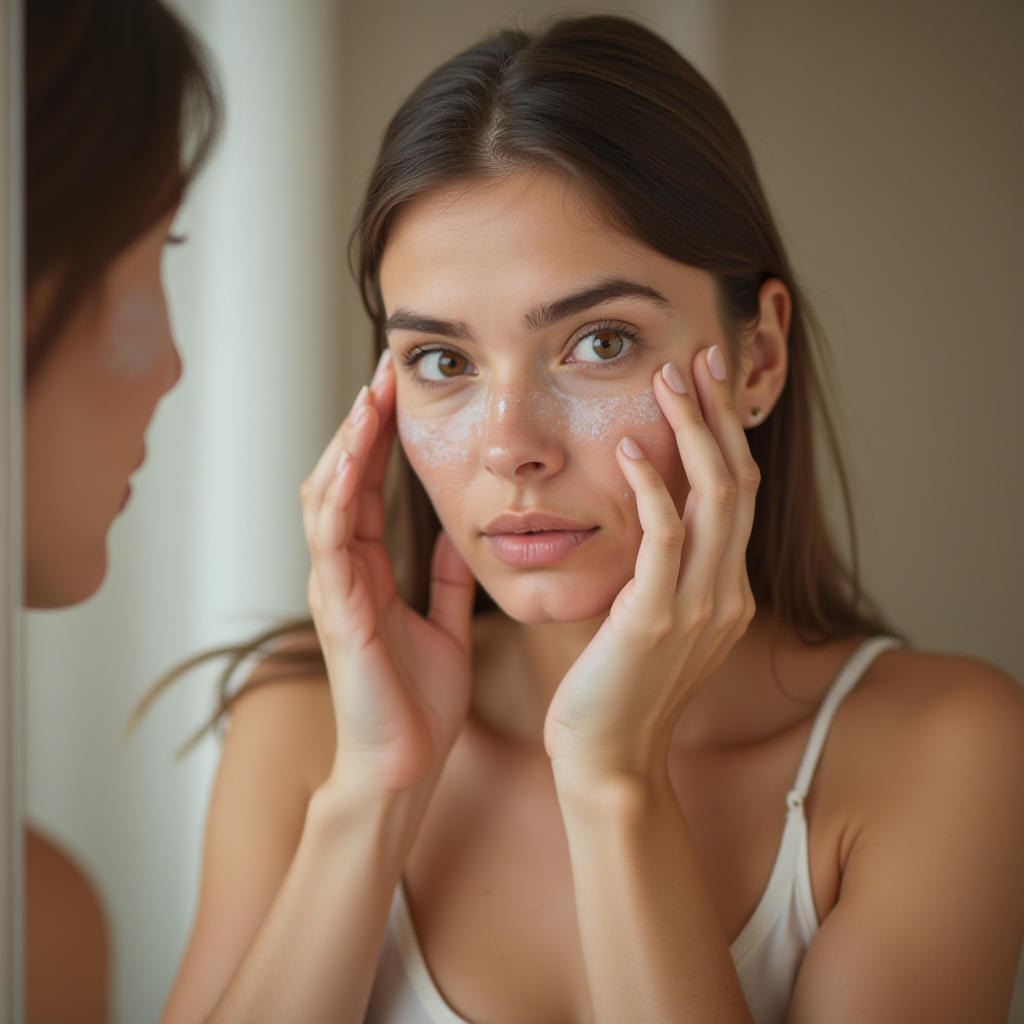
You cleanse. You moisturise. You exfoliate. You have tried brightening serums and vitamin C creams. Yet you still see dull skin. Your skin still looks tired, flat, and lacklustre. Dull skin is not a disease. It is a sign that something is off – dehydration, inflammation, poor circulation, sluggish cell turnover, or oxidative damage from pollution and UV exposure. Expensive brightening products promise radiance but rarely deliver lasting results. Herbal teas for dull skin offer a different approach – working from the inside out to restore natural radiance. Certain herbs are rich in vitamin C to brighten, antioxidants to protect, and anti-inflammatory compounds to calm. Other herbs help even out skin tone by reducing pigmentation and promoting cell turnover. No expensive serum required to remedy dull skin. Read on to find out more.
Health and Beauty Support Topics:
1] Herbal Tea for Glowing Skin
2] Anti-Ageing Herbal Teas
3] Herbal Tea for Acne-free Clear Skin
4] Herbal Teas for Dark Circles
5] Herbal Teas for Hair Growth
6] Herbal Teas for Dull Skin
7] Home – Health & Beauty
8] Home – Herbal Tea Benefits
9] The Herbal Tea Shop
“If you’d like to try the herbal teas mentioned in this article for yourself, we’ve curated a selection of high-quality, tested sources below. Every product we recommend has been chosen for purity and potency, or visit our online Herbal Tea Shop for even more choice”.
Looking for a specific herbal tea? Browse the full A–Z list here:
Herbal Teas A-Z List
Get the Free Herbal Tea Shop Cheat Sheet
What causes dull skin?
Dull skin has many causes. Identifying yours is the first step to fixing it.
Dehydration is the most common cause. When skin lacks water, it looks flat, tired, and papery. Dehydrated skin does not reflect light well.
Buildup of dead skin cells prevents light from bouncing off the skin’s surface. Without regular exfoliation, dead cells accumulate and create a dull, greyish cast.
Poor circulation means less oxygen and fewer nutrients reach skin cells. Sluggish circulation leaves skin looking pale and tired.
Oxidative stress from UV exposure, pollution, and lifestyle factors damages skin cells and accelerates ageing. Damaged cells look dull.
Inflammation can make skin look red, blotchy, or grey. Chronic low-grade inflammation interferes with healthy cell function.
Nutrient deficiencies – particularly vitamin C, iron, and essential fatty acids – rob skin of its natural radiance.
How herbal teas help with dull skin
The best herbal teas for dull skin work through several mechanisms that restore radiance.
Vitamin C-rich herbs brighten skin and support collagen production. Vitamin C is essential for a glowing complexion.
Antioxidant-rich herbs protect skin from oxidative damage, which causes dullness and premature ageing.
Circulation-boosting herbs bring oxygen and nutrients to skin cells, creating a healthy rosy glow.
Anti-inflammatory herbs calm the low-grade inflammation that can make skin look dull and uneven.
Hydrating herbs help maintain skin’s water balance. Well-hydrated skin reflects light and looks plump and radiant.
The best herbal teas for dull skin
Hibiscus tea is one of the most effective teas for dull skin. It is rich in vitamin C and anthocyanins, which brighten skin and protect collagen. Hibiscus also contains natural alpha-hydroxy acids (AHAs) that gently exfoliate, removing dead skin cells that cause dullness. Often called the “Botox plant” for its skin-tightening effects, hibiscus tea can help restore radiance. Drink it daily and use cooled tea as a facial rinse.
Rosehip tea is exceptionally high in vitamin C, essential for collagen synthesis and skin brightening. Rosehips also contain vitamin A (as beta-carotene), which supports cell turnover. Dull skin is often caused by sluggish cell turnover, and rosehip helps speed up the process. The tart, fruity flavour is pleasant on its own.
Green tea is rich in catechins, particularly EGCG, which protect skin from oxidative damage and reduce inflammation. Green tea also contains caffeine, which constricts blood vessels and can temporarily reduce puffiness, making skin look brighter. Drink one to two cups daily. Cooled green tea can also be used as a toner.
Rooibos tea contains unique antioxidants, including aspalathin and nothofagin, which protect skin cells from oxidative damage. Rooibos is also rich in zinc and alpha-hydroxy acids, which support skin renewal. It is naturally caffeine-free and gentle enough for daily use.
Nettle tea is rich in iron and silica. Iron deficiency can cause pale, dull skin. Nettle helps replenish iron stores. Silica supports collagen production, keeping skin firm and radiant. Nettle also has anti-inflammatory properties that calm irritation.
Chamomile tea has anti-inflammatory and mild brightening effects. It calms the redness and irritation that can make skin look uneven. Chamomile is particularly useful for sensitive skin that reacts to stronger brightening ingredients.
Lemon balm tea has antioxidant and anti-inflammatory properties. It can help calm skin and reduce the oxidative stress that contributes to dullness. Its mild, citrusy flavour is refreshing.
Ginger tea improves circulation throughout the body, including to the skin. Better blood flow means more oxygen and nutrients reach skin cells, creating a healthy glow. Ginger is also anti-inflammatory.
Turmeric tea is a powerful anti-inflammatory and antioxidant. It can help calm the low-grade inflammation that makes skin look dull. Turmeric also has brightening effects and may help reduce pigmentation. Always add black pepper to improve absorption.
“If you’d like to try the above herbal teas for yourself, we’ve curated a selection of high-quality, tested sources below. Every product we recommend has been chosen for purity and potency, or visit our online Herbal Tea Shop for even more choice”.
Uneven skin tone – a related concern
Dull skin and uneven skin tone often go together. Uneven tone is caused by hyperpigmentation – dark spots, sun damage, melasma, or post-inflammatory marks from acne. These herbs can help.
Liquorice root tea has been studied for its skin-brightening effects. It contains glabridin, which inhibits tyrosinase – the enzyme responsible for melanin production. This makes liquorice root effective for hyperpigmentation and uneven skin tone. However, liquorice root contains glycyrrhizin, which can raise blood pressure with long-term use. Use occasionally or choose deglycyrrhizinated liquorice (DGL).
Hibiscus tea also helps with uneven tone. Its natural AHAs gently exfoliate, fading dark spots over time. The vitamin C content also brightens pigmented areas.
Rosehip tea is rich in vitamin A (beta-carotene) and vitamin C, both of which help fade hyperpigmentation. Vitamin A supports cell turnover, bringing fresh, evenly pigmented skin to the surface.
Green tea has been shown to reduce melanin production and protect against UV-induced pigmentation. Drinking green tea daily may help prevent new dark spots from forming.
Chamomile tea can help calm post-inflammatory hyperpigmentation by reducing the inflammation that triggers excess melanin production.
How to use herbal teas for dull skin and uneven tone effectively
Consistency is key. Skin renews itself every 28–40 days. Drink one to three cups of brightening herbal tea daily for at least two to three months to see noticeable results.
Combine internal and external use. Drink the tea. Also use cooled tea as a facial rinse or toner. This delivers antioxidants and brightening compounds directly to the skin.
Exfoliate gently. Herbal teas with natural AHAs (hibiscus, rosehip) support cell turnover, but physical or chemical exfoliation helps remove dead skin cells that make skin look dull. Be gentle – over-exfoliating damages the skin barrier.
Protect your skin. Sun exposure is the leading cause of dullness and uneven tone. Wear sunscreen daily. Herbal teas cannot undo sun damage without sun protection.
Address the root cause. If your dull skin is caused by dehydration, focus on hydrating herbs. If it is caused by oxidative stress, focus on antioxidant-rich herbs. If it is caused by poor circulation, focus on ginger and other warming herbs.
Be patient with hyperpigmentation. Dark spots take time to fade – often six months to a year of consistent care. Herbal teas can support this process, but they are not a quick fix.
Safety considerations
Most herbal teas for dull skin and uneven tone are safe for regular use. However, several precautions apply.
Liquorice root tea should not be used long-term due to glycyrrhizin’s effects on blood pressure and potassium levels. Use occasionally or choose DGL.
Turmeric may interact with blood thinners and can cause digestive upset in large amounts. Always add black pepper to improve absorption.
Green tea contains caffeine. Those sensitive to caffeine may experience nervousness or difficulty sleeping. Limit intake to earlier in the day.
Nettle tea may interact with blood-thinning medications and diuretics.
If you are pregnant, breastfeeding, or taking medication, consult a healthcare provider before adding new herbs to your routine.
FAQ
What is the best herbal tea for dull skin?
Hibiscus tea is one of the most effective because it contains vitamin C and natural AHAs that brighten and exfoliate. Rosehip and rooibos are also excellent choices.
Can herbal tea really make skin glow?
Yes, by addressing the underlying causes of dullness – dehydration, poor circulation, oxidative stress, and nutrient deficiencies. Results are gradual, not overnight.
How long does it take to see results?
Most people notice brighter, more radiant skin after 4–8 weeks of consistent daily use.
Does herbal tea help with dark spots and hyperpigmentation?
Yes. Hibiscus, rosehip, liquorice root, and green tea have all been shown to help fade hyperpigmentation. Results take time – often several months.
Can I use herbal tea as a face toner?
Yes. Brew a strong tea, let it cool, and apply with a cotton pad or spray bottle. Hibiscus, green tea, and chamomile are particularly good for this. Store in the refrigerator for up to a week.
Conclusion
Herbal teas for dull skin offer a natural, gentle way to restore radiance and even out skin tone from within. Hibiscus brightens and exfoliates. Rosehip delivers vitamin C for collagen and cell turnover. Rooibos protects from oxidative stress. Liquorice root fades hyperpigmentation. Green tea reduces inflammation and protects from UV damage. By matching the herb to the underlying cause of your dull skin – dehydration, poor circulation, oxidative stress, or pigmentation – and using it consistently, you can restore your skin’s natural glow without expensive serums.
Recommended Products
If you’d like to try the above herbal teas for yourself, we’ve curated a selection of high-quality, tested sources below. Every product we recommend has been chosen for purity and potency, or visit our online Herbal Tea Shop for even more choice.
👉 Best to try first: Rosehip Tea
Rosehip is exceptionally high in vitamin C, which brightens skin and supports cell turnover.
Start here:
Rosehip tea (loose leaf): https://amzn.to/3PG1yln
Rosehip tea bags: https://amzn.to/4dVbJMS
Hibiscus tea (loose leaf): https://amzn.to/4bzVBOd
Hibiscus tea bags: https://amzn.to/40IUXZB
Green tea (loose leaf): https://amzn.to/4lV0bLO
Green tea bags: https://amzn.to/4sx5CmB
Rooibos tea (loose leaf): https://amzn.to/4sAltAK
Rooibos tea bags: https://amzn.to/4bJInyd
Nettle tea (loose leaf): https://amzn.to/4bHUsnA
Nettle tea bags: https://amzn.to/47gzNWs
Chamomile tea (loose leaf): https://amzn.to/3Pv6zgo
Chamomile tea bags: https://amzn.to/4bCq3XM
Lemon balm tea (loose leaf): https://amzn.to/4bA4NlH
Lemon balm tea bags: https://amzn.to/47elJNf
Ginger tea (loose leaf): https://amzn.to/3PmSWQw
Ginger tea bags: https://amzn.to/4szy0Ve
Turmeric tea (loose leaf): https://amzn.to/3Q1GKVo
Turmeric tea bags: https://amzn.to/4lZClP2
Black peppercorns (to add to turmeric tea): https://amzn.to/414AUFj
Liquorice Root tea (loose leaf): https://amzn.to/4uV5Ntx
Liquorice Root tea bags: https://amzn.to/4t7YA7L
Manuka Honey: https://amzn.to/47p7i9g
High-quality Garlic press: https://amzn.to/4sFBsxD
Tea infuser: https://amzn.to/4lAToGE
Glass teapot: https://amzn.to/4snGsGY
Storage boxes: https://amzn.to/47UQgQf
Assortment Box: https://amzn.to/3NFO9ZJ
Visit our online Herbal Tea Shop for more choice!
Do you read novels? Visit our bookshop to check out the ‘culturally grounded, Otherworldly narratives’ by Owen Jones.
Looking for a specific herbal tea? Browse the full A–Z list here:
Herbal Teas A-Z List
Get the Free Herbal Tea Shop Cheat Sheet
Further Reading
For a full evidence-based overview of herbal tea benefits, safety, and quality considerations, read our complete guide to Herbal Tea Benefits
1] For more on skin health, see:
Herbal Teas for Health and Beauty
2] For glowing skin, see:
Herbal Tea for Glowing Skin
3] For anti-ageing, see:
Anti-Aging Herbal Teas
4] For safety guidance on herbal teas, see:
Are Herbal Teas Safe?
References
1] National Center for Complementary and Integrative Health (NCCIH) – Antioxidants
Provides evidence-based information on antioxidants and health.
2] National Institutes of Health (NIH) – Vitamin C and Skin Health
Explains the role of vitamin C in collagen synthesis and skin brightness.
3] Cleveland Clinic – How to Get Glowing Skin
Provides practical recommendations for natural skin radiance.
4] American Academy of Dermatology – How to fade dark spots
Offers professional guidance on hyperpigmentation treatment.