
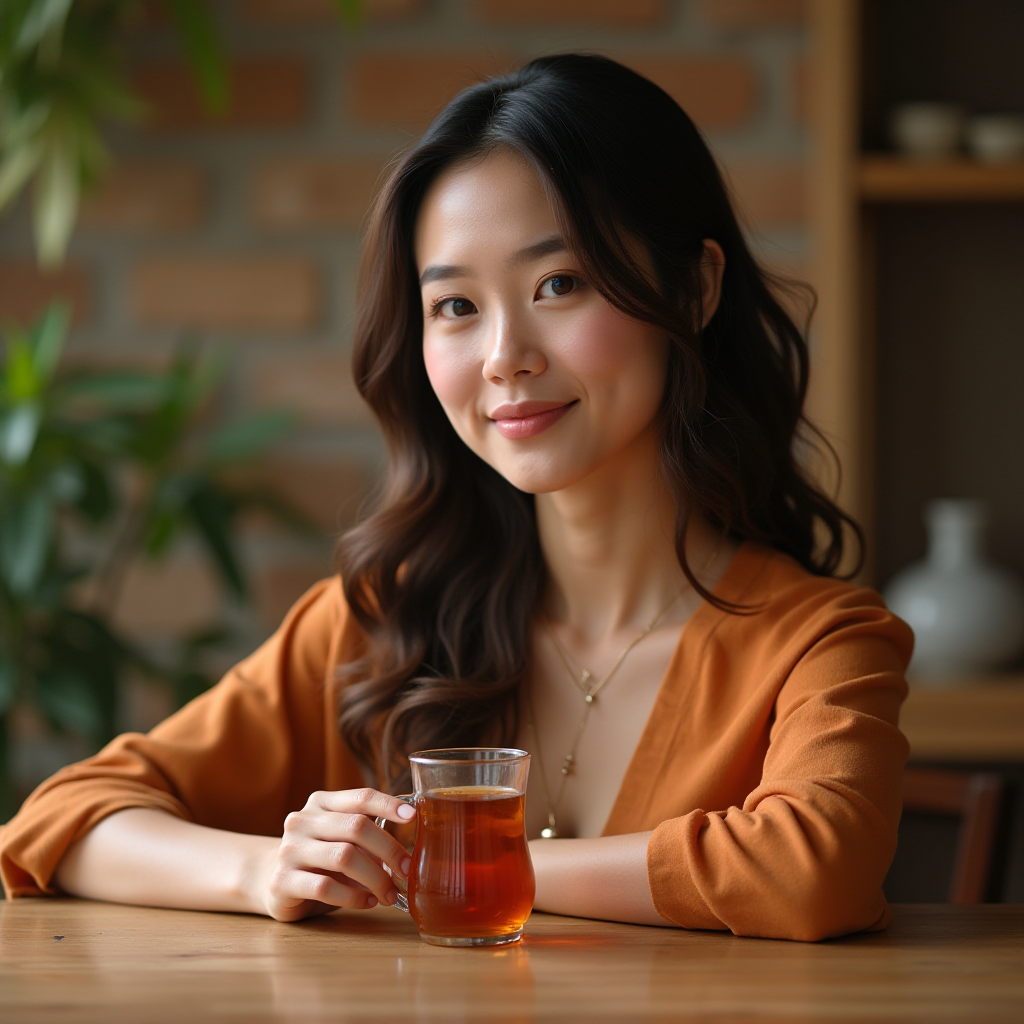


How herbal teas support healthy ageing from within
The search for longevity and youthful vitality has led many to explore natural approaches that support the body’s own maintenance systems. Anti-aging herbal teas offer a gentle, sustainable way to support the processes that influence how we age. While no tea can reverse the passage of time, certain herbs contain compounds that protect cells from oxidative damage, support collagen production, reduce inflammation, and maintain healthy circulation—all factors that contribute to how our skin, joints, and cognitive function hold up over the years. By incorporating these teas into a daily routine, you can support your body’s natural resilience and age with greater vitality. Read on to find out more.
Health and Beauty Support Topics:
1] Herbal Tea for Glowing Skin
2] Anti-Ageing Herbal Teas
3] Herbal Tea for Acne-free Clear Skin
4] Herbal Teas for Dark Circles
5] Herbal Teas for Hair Growth
6] Herbal Teas for Dull Skin
7] Home – Health & Beauty
8] Home – Herbal Tea Benefits
9] The Herbal Tea Shop
“If you’d like to try the herbal teas in this article for yourself, we’ve curated a selection of high-quality, tested sources below. Every product we recommend has been chosen for purity and potency, or visit our online Herbal Tea Shop for even more choice”.
How anti-aging herbal teas work
Anti-aging herbal teas support healthy ageing through several interconnected mechanisms. Antioxidant compounds such as polyphenols, flavonoids, and anthocyanins neutralise free radicals—unstable molecules that damage cells, accelerate ageing, and contribute to chronic disease. Anti-inflammatory herbs reduce low-grade systemic inflammation, which is increasingly recognised as a driver of age-related decline. Collagen-supporting herbs provide nutrients and compounds that help maintain skin elasticity and joint integrity. Circulation-enhancing herbs improve blood flow, ensuring oxygen and nutrients reach tissues effectively. Adaptogenic herbs help the body manage stress, reducing the harmful effects of chronic stress on ageing. Cognitive-supporting herbs protect neural pathways and may help maintain mental clarity with age.
Best anti-aging herbal teas
Hibiscus tea is rich in anthocyanins and other powerful antioxidants that protect cells from oxidative damage. Hibiscus has been studied for its ability to support healthy blood pressure and cholesterol levels, both important for cardiovascular ageing. Its high vitamin C content also supports collagen production, helping maintain skin elasticity. Hibiscus is one of the most researched anti-aging herbal teas for overall vitality.
Rooibos tea contains unique antioxidants, including aspalathin and nothofagin, which are not found in other plants. These compounds help protect against DNA damage and oxidative stress. Rooibos is also rich in zinc and alpha-hydroxy acids, which support skin health, and is naturally caffeine-free, making it suitable for daily consumption.
Green tea (from Camellia sinensis) is one of the most studied beverages for anti-aging benefits. Its high concentration of catechins, particularly epigallocatechin gallate (EGCG), protects cells from UV damage, supports skin elasticity, and has been linked to reduced risk of age-related cognitive decline. While not a true herbal tea, it is often included in anti-aging discussions.
Ginger tea contains gingerols and shogaols, compounds with potent anti-inflammatory and antioxidant properties. Chronic inflammation is a key driver of ageing, and ginger’s ability to reduce inflammatory markers makes it a valuable addition to an anti-aging routine. Ginger also supports digestion and circulation.
Turmeric tea is renowned for its anti-inflammatory compound curcumin. Curcumin has been studied for its potential to protect against age-related cognitive decline, support joint health, and reduce oxidative stress. Turmeric is often combined with black pepper to enhance absorption.
Nettle tea is rich in silica, a mineral essential for collagen production and skin elasticity. Nettle also provides iron, calcium, and vitamin C, supporting overall vitality. Its anti-inflammatory properties contribute to joint comfort as we age.
Ginseng tea (both Asian and American varieties) is classified as an adaptogen, helping the body resist the effects of stress. Chronic stress accelerates ageing, and ginseng’s ability to support energy, cognitive function, and immune health makes it one of the most popular anti-aging herbal teas.
Ashwagandha tea is another adaptogenic herb traditionally used in Ayurvedic medicine to support vitality and resilience. It may help reduce cortisol levels, protect against oxidative stress, and support cognitive function with age.
Lemon balm tea has been studied for its potential to support cognitive function and calm the nervous system. Its antioxidant properties help protect neural pathways, and its calming effects reduce stress-related ageing.
Rosehip tea is exceptionally high in vitamin C, essential for collagen synthesis. Rosehips also contain antioxidants that protect skin from premature ageing and support immune function.
Chamomile tea provides gentle anti-inflammatory support and has been associated with improved sleep quality. Quality sleep is essential for cellular repair and healthy ageing.
Youo can order the above anti-aging herbal teas from the bottom of this page
How anti-aging herbal teas address specific concerns
For skin ageing: Hibiscus (collagen protection), rooibos (antioxidants), nettle (silica), and rosehip (vitamin C) support skin elasticity, hydration, and protection from oxidative damage.
For joint health: Turmeric, ginger, and nettle provide anti-inflammatory support that can help maintain joint comfort and mobility with age.
For cognitive function: Green tea (catechins), lemon balm (neuroprotection), and ginseng (adaptogenic support) may help maintain mental clarity.
For cardiovascular ageing: Hibiscus (blood pressure), rooibos (antioxidants), and ginger (circulation) support heart health.
For stress resilience: Ashwagandha, ginseng, and lemon balm help the body manage stress, reducing its cumulative effects on ageing.
For cellular protection: All antioxidant-rich teas protect cells from free radical damage, a fundamental mechanism of ageing.
How to use anti-aging herbal teas effectively
Consistency matters more than quantity. Drinking one to three cups daily of antioxidant-rich teas over months and years provides cumulative protection. The benefits of anti-aging herbal teas build gradually.
Rotate your teas. Different herbs offer different protective compounds. Rotating between hibiscus, rooibos, green tea, ginger, and turmeric provides a broader range of antioxidants and anti-inflammatory support.
Combine with a healthy lifestyle. Anti-aging herbal teas work best alongside a balanced diet, regular physical activity, adequate sleep, and sun protection. They are supportive tools, not replacements for healthy habits.
Drink them hot or cold. Antioxidants are present whether tea is consumed hot or cold, so enjoy them in whatever form suits your preference.
Be patient. Visible health benefits to skin, energy levels, and overall vitality typically appear after consistent use of several anti-aging herbal teas over several months.
Safety considerations
Most anti-aging herbal teas are safe for regular use. However, ginseng may interact with blood thinners, diabetes medications, and certain antidepressants. Ashwagandha should be used with caution by those with thyroid conditions or autoimmune disorders. Turmeric may interact with blood thinners and can cause digestive upset in large amounts. Green tea contains caffeine and may affect sleep or interact with certain medications. If you are pregnant, breastfeeding, taking medication, or have underlying health conditions, consult a healthcare provider before adding new herbs to your routine.
FAQ
Which is the best of the anti-aging herbal teas?
Hibiscus and rooibos are excellent choices for their high antioxidant content and skin-supporting properties. Green tea is also well studied for anti-aging benefits. Rotating between several provides comprehensive support.
Can herbal teas really slow ageing?
Herbal teas cannot stop or reverse ageing, but they can support the body’s natural defence mechanisms—reducing oxidative stress, inflammation, and cellular damage, which are key factors in how we age.
How many cups of various anti-aging herbal teas should I drink daily?
One to three cups daily is generally sufficient to provide antioxidant and anti-inflammatory benefits. Consistency over time matters more than quantity.
Do anti-aging herbal teas have side effects?
Most are safe in moderate amounts, but some – such as ginseng, turmeric, and green tea – may interact with medications or cause mild side effects in sensitive individuals. Always start with small amounts and observe how your body responds.
Conclusion
Anti-aging herbal teas offer a natural, sustainable way to support the body’s resilience as we age. Hibiscus and rooibos provide powerful antioxidant protection, turmeric and ginger reduce inflammation, nettle supplies collagen-supporting silica, and adaptogens like ginseng and ashwagandha help manage stress. By incorporating these teas into a consistent daily routine alongside a healthy lifestyle, you can support your skin, joints, cardiovascular system, and cognitive function – helping you age with vitality and grace.
Recommended Products
“If you’d like to try the herbal teas in this article for yourself, we’ve curated a selection of high-quality, tested sources below. Every product we recommend has been chosen for purity and potency, or visit our online Herbal Tea Shop for even more choice”.
👉 Best to try first: Rooibos Tea
Rooibos contains unique antioxidants called aspalathin and nothofagin that protect skin cells from oxidative damage. Start here:
Rooibos tea (loose leaf): https://amzn.to/4sAltAK
Rooibos tea bags: https://amzn.to/4bJInyd
Ashwagandha Root tea (loose leaf): https://amzn.to/4sKLQEh
Chamomile tea (loose leaf): https://amzn.to/3Pv6zgo
Chamomile tea bags: https://amzn.to/4bCq3XM
Ginger tea (loose leaf): https://amzn.to/3PmSWQw
Ginger tea bags: https://amzn.to/4szy0Ve
Ginseng tea (loose leaf): https://amzn.to/3O53naX
Green tea (loose leaf): https://amzn.to/4lV0bLO
Green tea bags: https://amzn.to/4sx5CmB
Hibiscus tea (loose leaf): https://amzn.to/4bzVBOd
Hibiscus tea bags: https://amzn.to/40IUXZB
Lemon balm tea (loose leaf): https://amzn.to/4bA4NlH
Lemon balm tea bags: https://amzn.to/47elJNf
Nettle tea (loose leaf): https://amzn.to/4bHUsnA
Nettle tea bags: https://amzn.to/47gzNWs
Rosehip tea (loose leaf): https://amzn.to/3PG1yln
Rosehip tea bags: https://amzn.to/4dVbJMS
Turmeric tea (loose leaf): https://amzn.to/3Q1GKVo
Turmeric tea bags: https://amzn.to/4lZClP2
Manuka Honey: https://amzn.to/47p7i9g
High-quality Garlic press: https://amzn.to/4sFBsxD
Tea infuser: https://amzn.to/4lAToGE
Glass teapot: https://amzn.to/4snGsGY
Storage boxes: https://amzn.to/47UQgQf
Assortment Box: https://amzn.to/3NFO9ZJ
Visit our online Herbal Tea Shop for more choice!
Do you read novels? Visit our bookshop to check out the ‘culturally grounded, Otherworldly narratives’ by Owen Jones.
Looking for a specific herbal tea? Browse the full A–Z list here:
Herbal Teas A-Z List
Get the Free Herbal Tea Shop Cheat Sheet
Further Reading
For a full evidence-based overview of herbal tea benefits, safety, and quality considerations, read our complete guide to Herbal Tea Benefits
1] To understand how antioxidants in herbal tea support health, see:
Antioxidants in Herbal Tea
2] For information on hibiscus and its health benefits, see:
Hibiscus and Cholesterol
3] To explore skin health support, see:
Best Teas for Skin Health
4] For more on inflammation support, see:
Herbal Tea for Inflammation
Visit our bookshop to check out the ‘culturally grounded, Otherworldly narratives’ by Owen Jones.
References
1] National Institute on Aging (NIA) – Healthy Aging
Provides evidence-based information on factors that influence healthy ageing.
2] National Center for Complementary and Integrative Health (NCCIH) –
Explains the role of antioxidants in health and ageing.
3] National Institutes of Health (NIH) – Oxidative Stress and Aging
Offers scientific perspective on oxidative stress mechanisms in ageing.
4] Cleveland Clinic – Anti-Aging Skincare
Provides practical guidance on supporting skin health with age.
Looking for a specific herbal tea? Browse the full A–Z list here:
Herbal Teas A-Z List
Get the Free Herbal Tea Shop Cheat Sheet