


The cognitive enhancer for brain function, circulation, and memory
Brain fog that won’t lift? Poor circulation leaving your hands and feet cold? Memory lapses that feel increasingly frequent? Ginkgo biloba tea is different. It does not stimulate like caffeine or sedate like valerian. It improves blood flow – to the brain, to the extremities, and throughout the body. Used for centuries in Traditional Chinese Medicine, ginkgo is one of the most researched herbs for cognitive function and peripheral circulation. The active compounds – flavonoid glycosides and terpene lactones – work together to dilate blood vessels, reduce platelet aggregation, and protect nerve cells from oxidative damage. Modern clinical studies have shown that ginkgo can improve memory, attention, and processing speed in healthy adults, as well as alleviate symptoms of mild cognitive impairment. Ginkgo biloba tea is not a quick fix. It works cumulatively, with benefits typically building over several weeks of consistent use. For those seeking natural support for brain function and circulation, ginkgo biloba tea is an excellent choice. Read on to find out more.
If you would like to try the herbal teas mentioned in this article for yourself, we have curated a selection of high-quality, tested sources below. Every product we recommend has been chosen for purity and potency, or visit our online Herbal Tea Shop for even more choice.
Looking for a specific herbal tea? Browse the full A–Z list here:
Herbal Teas A-Z List
Get the Free Herbal Tea Shop Cheat Sheet
What ginkgo biloba tea is and how it works
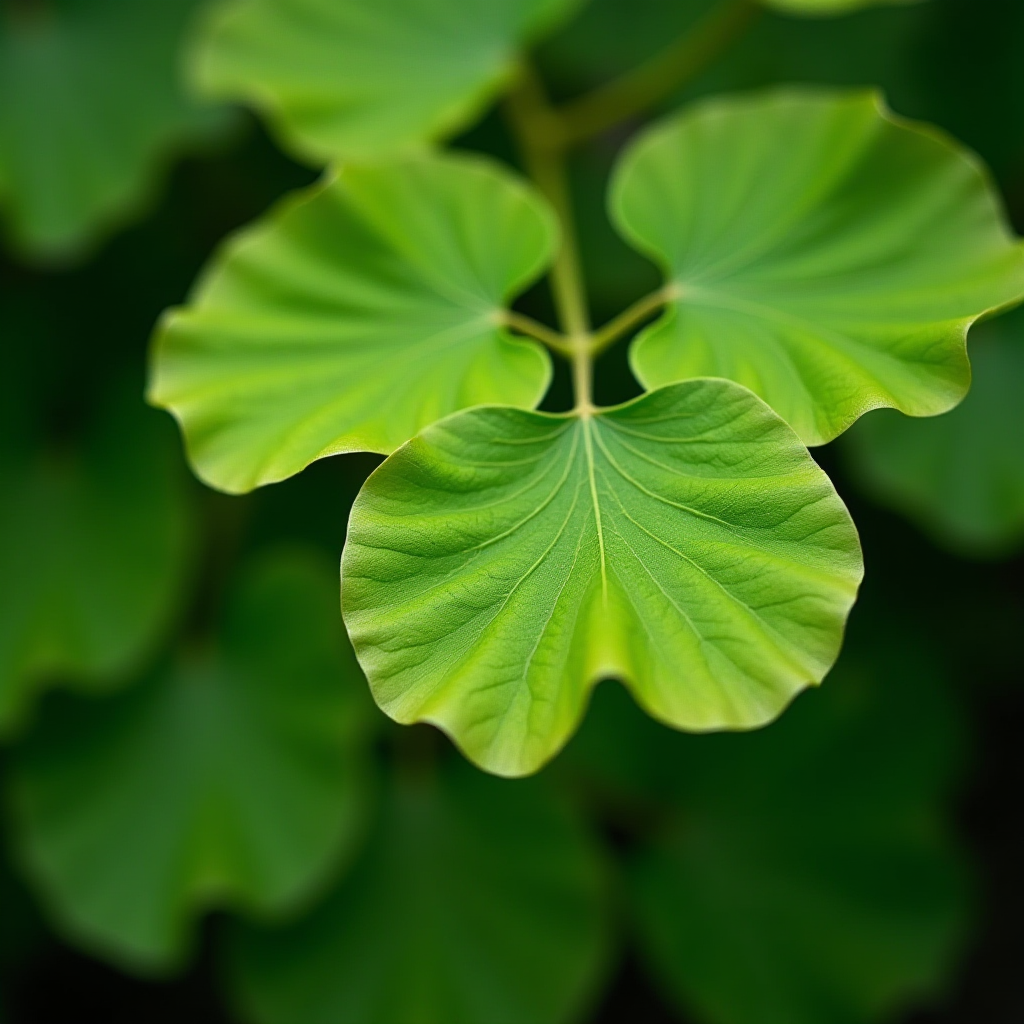
Ginkgo biloba is one of the oldest living tree species on Earth, with fossil records dating back over 200 million years. The tree is often called a “living fossil” because it has no living botanical relatives. Individual ginkgo trees can live for over a thousand years, and they are remarkably resistant to pests, diseases, and pollution. Ginkgo biloba tea is made from the dried leaves of the ginkgo tree, not from the seeds (which can be toxic). The leaves contain two primary groups of active compounds: flavonoid glycosides (including quercetin and kaempferol) which provide antioxidant protection, and terpene lactones (ginkgolides and bilobalide) which improve circulation and protect nerve cells. Unlike many herbal teas that work through a single mechanism, ginkgo biloba tea affects multiple systems simultaneously: it dilates blood vessels to improve blood flow to the brain and extremities, reduces the “stickiness” of platelets to improve microcirculation, protects neurons from oxidative damage, and modulates neurotransmitter activity to support cognitive function. Because ginkgo affects blood circulation and platelet function, it is potent and requires respect. It also works cumulatively – consistent daily use over weeks or months produces the best results.
Key health benefits of ginkgo biloba tea
Cognitive function and memory enhancement is the most well-known benefit of ginkgo biloba. Clinical studies have shown that ginkgo can improve attention, memory, and processing speed in healthy adults, particularly in older populations. It may also help slow cognitive decline in people with mild cognitive impairment or early-stage dementia. The mechanism involves improved blood flow to the brain, neuroprotection, and enhanced neurotransmitter function. For students, professionals, or anyone experiencing age-related cognitive slowing, ginkgo biloba tea may provide meaningful support. For more on mental clarity, see Herbal Teas for Stress-Related Insomnia.
Circulation improvement to extremities is another significant benefit of ginkgo biloba tea. By dilating blood vessels and reducing platelet aggregation, ginkgo improves blood flow to the hands, feet, and other peripheral areas. Many people report that regular ginkgo consumption helps reduce the discomfort of cold hands and feet. It is also studied for conditions involving poor circulation, such as intermittent claudication (leg pain caused by restricted blood flow). For more on circulation, see Herbal Teas for Poor Circulation.
Tinnitus relief has been studied with mixed results. Tinnitus – a ringing, buzzing, or hissing sound in the ears – is sometimes related to reduced blood flow to the inner ear. Some studies suggest that ginkgo may reduce tinnitus severity in certain individuals, particularly when caused by circulatory issues. However, results are inconsistent, and ginkgo is not a guaranteed treatment. Those with tinnitus should consult a healthcare provider.
Vertigo and dizziness may also be helped by ginkgo biloba tea, particularly when these symptoms are related to reduced blood flow to the inner ear or brain.
Antioxidant protection is provided by the flavonoid glycosides in ginkgo. These compounds neutralize free radicals – unstable molecules that can damage cells, including neurons and blood vessel walls. Over time, this antioxidant effect may help protect against age-related cognitive decline and cardiovascular disease.
Anxiety and mood support has been suggested by some research. Ginkgo may help reduce symptoms of generalised anxiety, particularly in older adults. The mechanism may involve improved blood flow to brain regions involved in emotional regulation, as well as neuroprotective effects.
How to prepare ginkgo biloba tea
Ginkgo biloba tea can be prepared from dried leaves, but it is important to note that fresh ginkgo leaves contain compounds that can cause skin irritation. Always use properly dried commercial ginkgo leaves.
Hot infusion method: Use one teaspoon of dried ginkgo biloba leaves per cup of water. Pour freshly boiled water over the leaves. Cover and steep for 5–10 minutes. Longer steeping extracts more active compounds but also increases bitterness. Strain well before drinking.
Tea bag method: Use one tea bag per cup. Steep in freshly boiled water for 5–10 minutes.
Flavour: Ginkgo biloba tea has a mildly bitter, slightly nutty, earthy flavour. It is not as pleasant as chamomile or peppermint, but it is not unpleasant. Many people add a small amount of honey or a slice of lemon to improve palatability.
Blending: Ginkgo blends well with other herbs. Good combinations include:
- Ginkgo with peppermint for cognitive clarity
- Ginkgo with ginger for circulation support
- Ginkgo with lemon balm for anxiety and cognitive function
Dosage: For general cognitive support and circulation, one to two cups daily. For more targeted support during periods of high cognitive demand, two to three cups daily. Ginkgo works cumulatively – give it at least four to six weeks of consistent use before evaluating effects.
How to use ginkgo biloba tea safely
Ginkgo biloba is potent and requires several important precautions.
Blood thinners and anticoagulants: Ginkgo has significant blood-thinning properties. Do not combine with warfarin, aspirin, clopidogrel, or other anticoagulant or antiplatelet medications without medical supervision. This combination can increase bleeding risk, including potentially dangerous internal bleeding. For more on this topic, see Herbal Tea and Medication.
Surgery: Ginkgo should be discontinued at least two weeks before scheduled surgery due to its effects on bleeding risk. Inform your surgeon and anaesthesiologist about all herbs and supplements you take.
Pregnancy and breastfeeding: Ginkgo is generally not recommended during pregnancy or breastfeeding due to limited safety data and its effects on blood flow and bleeding risk. For more guidance, see Herbal Tea during Pregnancy.
Seizure disorders: There have been rare reports of seizures associated with ginkgo use. Individuals with epilepsy or other seizure disorders should consult a healthcare provider before using ginkgo.
Diabetes: Ginkgo may affect blood sugar levels. Individuals with diabetes should monitor their blood glucose when adding ginkgo to their routine.
Bleeding disorders: Individuals with hemophilia, low platelet counts, or other bleeding disorders should avoid ginkgo.
Allergies: Individuals allergic to ginkgo trees or their pollen should avoid ginkgo biloba tea.
Children: Ginkgo is generally not recommended for children due to limited safety data.
Recommended dosage
For general cognitive support and circulation, one to two cups daily is sufficient. For more targeted cognitive support during demanding periods, two to three cups daily may be consumed. Ginkgo works cumulatively – benefits typically become noticeable after four to six weeks of consistent daily use. For best results, cycle ginkgo – take it daily for eight weeks, then take a one to two week break before resuming.
Limitations of ginkgo biloba tea
Ginkgo biloba tea is not a substitute for medical treatment, particularly for dementia, Alzheimer’s disease, serious circulatory disorders, or bleeding conditions. Its effects are mild to moderate and work best as part of a broader approach that includes a healthy diet, regular exercise, cognitive stimulation, and appropriate medical care. The tea is less concentrated than ginkgo extracts or supplements. If you have significant cognitive or circulatory concerns, supplements may be more appropriate than tea. Claims that ginkgo “prevents” Alzheimer’s or “cures” tinnitus are unsupported; it is best understood as a supportive tool for cognitive function and circulation.
FAQ
Is ginkgo biloba tea good for memory?
Yes. Clinical studies have shown that ginkgo can improve attention, memory, and processing speed, particularly in older adults or those experiencing mild cognitive decline.
Does ginkgo biloba tea help with circulation?
Yes. Ginkgo dilates blood vessels and reduces platelet aggregation, improving blood flow to the brain, hands, feet, and other areas.
Is ginkgo biloba tea safe to drink every day?
For most healthy adults, one to two cups daily is safe for periods of eight weeks, followed by a one to two week break. Those on blood thinners or with bleeding disorders should avoid it.
What does ginkgo biloba tea taste like?
Ginkgo tea has a mildly bitter, slightly nutty, earthy flavour. It is not unpleasant and can be improved with honey or lemon.
How long does it take for ginkgo tea to work?
Ginkgo works cumulatively rather than acutely. Most people notice improvements in cognitive function and circulation after four to six weeks of consistent daily use.
Conclusion
Ginkgo biloba tea is a potent, research-backed herbal remedy for cognitive function, memory, and circulation. Its flavonoid glycosides and terpene lactones work together to improve blood flow, protect nerve cells, and enhance neurotransmitter function. Unlike stimulants that provide temporary alertness followed by a crash, ginkgo builds genuine improvements in brain function and peripheral circulation over time. For those seeking natural support for memory, focus, or cold hands and feet, ginkgo biloba tea offers a cumulative, sustainable path to better cognitive and circulatory health. Used consistently and with respect for its contraindications, ginkgo can be a valuable addition to a brain-healthy lifestyle.
Recommended Products
If you would like to try the herbal teas mentioned in this article for yourself, we have curated a selection of high-quality, tested sources below. Every product we recommend has been chosen for purity and potency, or visit our online Herbal Tea Shop for even more choice.
Blending and support herbs:
Peppermint tea (loose leaf)
Peppermint tea bags
Ginger tea (loose leaf)
Ginger tea bags
Lemon balm tea (loose leaf)
Lemon balm tea bags
Manuka Honey
High-quality Garlic press
Tea infuser
Glass teapot
Storage boxes
Assortment Box
Visit our online Herbal Tea Shop for more choice.
Do you read novels? Visit our bookshop to check out the culturally grounded, Otherworldly narratives by Owen Jones.
Looking for a specific herbal tea? Browse the full A–Z list here:
Herbal Teas A-Z List
Get the Free Herbal Tea Shop Cheat Sheet
Further Reading
For a full evidence-based overview of herbal tea benefits, safety, and quality considerations, read our complete guide to Herbal Tea Benefits.
1] For more on cognitive function and mental performance, see Herbal Teas for Stress-Related Insomnia
2] For circulation support, see Herbal Teas for Poor Circulation
3] For anxiety and mood support, see Best Herbal Teas for Anxiety and Stress Relief
4] For safety guidance on blood-thinning herbs, see Are Herbal Teas Safe?
5] For potential interactions with medications, see Herbal Tea and Medication
References
1] Government agency overview of ginkgo’s traditional uses and safety profile from the National Center for Complementary and Integrative Health (NCCIH) – Ginkgo
2] Clinical study on ginkgo for cognitive function from PubMed – Ginkgo biloba for mild cognitive impairment
3] Cancer centre professional monograph on active compounds and clinical evidence from Memorial Sloan Kettering Cancer Center – Ginkgo Biloba
4] Consumer-level information on dosage, benefits, and side effects from WebMD – Ginkgo Biloba: Uses and Risks
5] Health system reference on ginkgo for circulation and cognition from Mount Sinai – Ginkgo Biloba