

The adaptogenic herb for stress-related fatigue, burnout, and mental performance
Exhausted but unable to recover? Mental fog that makes even simple tasks feel difficult? Daily stress that leaves you feeling depleted rather than challenged? Rhodiola rosea tea is different. It is not a stimulant like coffee, which borrows energy from tomorrow. It is not a sedative that masks the problem. It is an adaptogen – a class of herbs that helps the body adapt to stressors and restore genuine balance. Used for centuries in traditional medicine in Russia and Scandinavia to resist fatigue, enhance mental performance, and increase resilience to cold and high altitude, rhodiola has been studied extensively in modern clinical research. Studies show it reduces burnout, improves cognitive function under stress, and protects the brain from oxidative damage. The active compounds – rosavins and salidroside – work together to modulate the hypothalamic-pituitary-adrenal (HPA) axis, reduce excessive cortisol levels, and improve oxygen utilisation in cells. Rhodiola rosea tea is not a quick fix. It works cumulatively, building resilience over days and weeks of consistent use. For those who feel depleted by chronic stress and need genuine restoration rather than artificial stimulation, rhodiola rosea tea is an excellent choice. Read on to find out more.
If you would like to try the herbal teas mentioned in this article for yourself, we have curated a selection of high-quality, tested sources below. Every product we recommend has been chosen for purity and potency, or visit our online Herbal Tea Shop for even more choice.
Looking for a specific herbal tea? Browse the full A–Z list here:
Herbal Teas A-Z List
Get the Free Herbal Tea Shop Cheat Sheet
What rhodiola rosea tea is and how it works
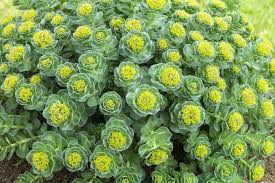
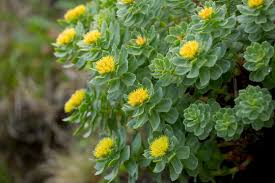
Rhodiola rosea tea is made from the root of the Rhodiola rosea plant, a perennial flowering herb that grows in cold, mountainous regions of Europe, Asia, and North America. Often called “golden root” or “arctic root,” rhodiola has been used in traditional medicine in Russia, Scandinavia, and Iceland for centuries to combat fatigue, enhance mental performance, and increase resistance to stress. Unlike stimulants such as caffeine that provide temporary energy by forcing the body into overdrive, rhodiola is an adaptogen – it helps the body adapt to stressors and restore balance. The active compounds include rosavin, rosarin, rosin, salidroside, and tyrosol. These work together to modulate the hypothalamic-pituitary-adrenal (HPA) axis, reduce cortisol levels, improve oxygen utilisation in cells, and protect the brain from oxidative stress. Modern research has validated many of its traditional uses, particularly for stress-related fatigue, burnout, and cognitive function. Rhodiola rosea tea is not a quick fix. It works cumulatively, building resilience over days and weeks of consistent use. For those who feel depleted by chronic stress and need genuine restoration rather than artificial stimulation, rhodiola rosea tea is an excellent choice.
Rhodiola rosea is a member of the Crassulaceae (stonecrop) family, not related to ginseng or other more common adaptogens. The plant grows slowly in harsh alpine environments, which may concentrate its active compounds. The root has a distinctive rose-like aroma when cut or dried, which gives the plant its species name “rosea.”
The primary active compounds in rhodiola include:
- Rosavins (rosavin, rosarin, rosin) – compounds unique to rhodiola that appear to contribute to its adaptogenic and anti-stress effects
- Salidroside – a compound that protects nerve cells from oxidative damage and supports cognitive function
- Tyrosol – a phenolic compound with antioxidant and neuroprotective properties
Rhodiola works as an adaptogen – a class of herbs that help the body resist physical, chemical, and biological stressors by modulating the stress response system. Unlike stimulants that increase activity across the board, adaptogens normalise function, bringing overactive systems down and underactive systems up.
The salidroside and rosavins in rhodiola rosea tea work through several mechanisms: they modulate the HPA axis, reducing excessive cortisol release; they improve oxygen utilisation in cells, reducing fatigue; they protect mitochondria (the energy-producing structures in cells) from oxidative damage; and they influence neurotransmitter levels, particularly serotonin, dopamine, and norepinephrine, improving mood and cognitive function.
Unlike many adaptogens that take weeks to produce noticeable effects, rhodiola rosea tea may work more quickly, with some studies showing benefits within days of consistent use.
Key health benefits of rhodiola rosea tea
Stress-related fatigue and burnout is the most well-documented benefit of rhodiola. Chronic stress depletes the body’s resources, leading to exhaustion, lack of motivation, and reduced capacity to handle daily demands. Rhodiola rosea tea has been shown to reduce fatigue in people with burnout syndrome and stress-related exhaustion. Unlike caffeine, which provides temporary energy followed by a crash, rhodiola improves energy levels while reducing the perception of effort. For more on stress management, see our guide to Herbal Teas for Stress Management.
Cognitive function and mental performance is another area where rhodiola excels. Clinical studies have shown that rhodiola can improve attention, memory, and mental processing speed, particularly in people experiencing stress-related cognitive decline. It may also reduce mental fatigue during demanding tasks, such as studying for exams or working long hours. For more on cognitive support, see Herbal Teas for Stress-Related Insomnia.
Physical endurance and recovery has been studied extensively in athletic populations. Rhodiola has been shown to reduce perceived exertion during exercise, improve time to exhaustion, and accelerate recovery after intense physical activity. The mechanism involves improved oxygen utilisation in cells and reduced oxidative damage to muscle tissue.
Anxiety and low mood may be improved by rhodiola rosea tea, particularly when these symptoms are related to stress and fatigue. The herb’s effects on serotonin and dopamine levels may contribute to mood stabilisation. Unlike pharmaceutical antidepressants, rhodiola is not sedating and does not cause emotional blunting. For more on anxiety support, see Best Herbal Teas for Anxiety and Stress Relief.
Cognitive protection against ageing has been suggested by some research. The antioxidant and neuroprotective properties of salidroside may help protect the brain from age-related cognitive decline. Animal studies have shown benefits for memory and learning, though human research is still emerging.
Stress resilience is the fundamental benefit of all adaptogens, including rhodiola. By modulating the HPA axis and reducing cortisol levels, rhodiola helps the body respond to stressors more effectively, preventing the cumulative damage of chronic stress. This makes it useful for anyone in high-stress occupations or life situations.
How to prepare rhodiola rosea tea
Rhodiola is a root. A simple steep in hot water will extract some active compounds, but a decoction (simmering) produces a stronger tea.
Decoction method: Use one to two teaspoons of dried, sliced rhodiola root per cup of water. Place the rhodiola in a saucepan with cold water. Bring to a boil, then reduce heat and simmer for 15–20 minutes. The longer the simmer, the stronger the tea. Strain and serve. Rhodiola pieces can be reused once, though the second brew will be weaker.
Tea bag method: If using tea bags (containing powdered rhodiola), use one bag per cup. Steep in freshly boiled water for 10–15 minutes. Tea bags infuse more quickly than whole root pieces.
Flavour: Rhodiola rosea tea has a mildly bitter, earthy, slightly floral flavour with a hint of rose-like aroma. It is not unpleasant but is stronger than leafy herbs like chamomile or peppermint. Many people find it drinkable without sweetener, though honey can improve palatability.
Blending: Rhodiola rosea tea blends well with other adaptogens and nervines. Good combinations include:
- Rhodiola with ashwagandha for comprehensive stress support
- Rhodiola with holy basil (tulsi) for daytime resilience
- Rhodiola with lemon balm for stress with restlessness
- Rhodiola with peppermint for mental clarity
Dosage: For general stress support and fatigue, one to two cups daily. For cognitive performance during demanding periods, two to three cups daily. For physical endurance, one cup before exercise. For best results, take rhodiola in the morning or early afternoon, as it may interfere with sleep if taken late in the day.
If you would like to try the herbal teas mentioned in this article for yourself, we have curated a selection of high-quality, tested sources below. Every product we recommend has been chosen for purity and potency, or visit our online Herbal Tea Shop for even more choice.
How to use rhodiola rosea tea safely
Rhodiola rosea tea is generally safe for most people when consumed in moderate amounts – one to three cups daily. However, several precautions apply.
Pregnancy and breastfeeding: There is limited safety data on rhodiola during pregnancy and breastfeeding. It is generally recommended to avoid medicinal doses unless under professional guidance. For more guidance, see Herbal Tea during Pregnancy.
Blood pressure medications: Rhodiola may lower blood pressure. If you take antihypertensive medications, monitor your blood pressure when adding rhodiola to your routine.
Diabetes medications: Rhodiola may lower blood sugar. If you take diabetes medications or insulin, monitor your blood glucose levels closely.
Antidepressants and psychiatric medications: Rhodiola may interact with SSRIs, MAOIs, and other psychiatric medications. Consult your healthcare provider before the regular use of rhodiola rosea tea. For more on this topic, see Herbal Tea and Medication.
Stimulants: Rhodiola may potentiate the effects of caffeine and other stimulants. If you are sensitive to stimulants, start with a lower dose.
Bipolar disorder: Rhodiola may trigger manic episodes in people with bipolar disorder. Those with bipolar disorder should avoid rhodiola unless under close medical supervision.
Autoimmune conditions: Rhodiola may stimulate the immune system. Those with autoimmune conditions such as rheumatoid arthritis, lupus, or multiple sclerosis should consult a healthcare provider before use.
Surgery: Rhodiola may affect blood pressure and blood sugar. Discontinue use at least two weeks before scheduled surgery.
Children: Rhodiola is generally considered safe for children in appropriate doses for fatigue or stress, but consult a healthcare provider before giving it to young children. Use half the adult dose.
Recommended dosage
For general stress support and fatigue, one to two cups daily. For cognitive performance during demanding work or study periods, two to three cups daily for the duration of the demanding period, then reduce to a maintenance dose. For physical endurance, one cup thirty to sixty minutes before exercise. Rhodiola can begin working within days, unlike some adaptogens that take weeks. For best results, cycle rhodiola – take it daily for six to eight weeks, then take a break for one to two weeks before resuming.
Limitations of rhodiola rosea tea
Rhodiola tea is not a substitute for medical treatment, particularly for clinical depression, bipolar disorder, or chronic fatigue syndrome. Its effects are mild to moderate and work best as part of a broader approach that includes adequate sleep, proper nutrition, stress management, and appropriate medical care. The tea is less concentrated than rhodiola extracts or supplements. If you have significant health concerns, supplements may be more appropriate than tea. Claims that rhodiola “cures” depression or “reverses” cognitive decline are unsupported; it is best understood as a supportive tool for stress-related fatigue and mental performance. Also note that rhodiola is not a stimulant – do not expect an immediate energy boost like coffee. Its benefits are cumulative and work best when taken consistently.
FAQ
Is rhodiola rosea tea good for fatigue?
Yes. Rhodiola has been studied for stress-related fatigue and burnout. It improves energy levels by helping the body use oxygen more efficiently and protecting mitochondria from oxidative damage.
Does rhodiola rosea tea help with mental focus?
Yes. Clinical studies have shown that rhodiola improves attention, memory, and mental processing speed, particularly during stress or fatigue.
Is rhodiola rosea tea safe to drink every day?
Yes, for most healthy adults, one to three cups of rhodiola tea daily is safe for periods of six to eight weeks. Taking a one to two week break after extended use is recommended to prevent tolerance.
What does rhodiola rosea tea taste like?
Rhodiola tea has a mildly bitter, earthy, slightly floral flavour with a hint of rose-like aroma. It is more pleasant than many medicinal roots. Honey can be added to sweeten.
How long does it take for rhodiola tea to work?
Unlike many adaptogens that take weeks, rhodiola may produce noticeable effects within days of consistent use. Some people report reduced fatigue and improved mental clarity after three to five days.
Conclusion
Rhodiola rosea tea is a potent adaptogenic remedy for stress-related fatigue, burnout, and cognitive decline. Its rosavins and salidroside work together to modulate the stress response, improve oxygen utilisation, and protect the brain from oxidative damage. Unlike stimulants that provide temporary energy followed by a crash, rhodiola builds genuine resilience. For those facing demanding work, study, or life circumstances, rhodiola tea offers a sustainable path to restored energy and mental clarity. Used consistently as part of a healthy lifestyle, rhodiola can help you meet challenges with greater ease and recover more quickly from stress.
Recommended Products
If you would like to try the herbal teas mentioned in this article for yourself, we have curated a selection of high-quality, tested sources below. Every product we recommend has been chosen for purity and potency, or visit our online Herbal Tea Shop for even more choice.
Rhodiola rosea tea (loose leaf): https://amzn.to/4mQDTez
Blending and support herbs:
Ashwagandha root tea (loose leaf)
Holy Basil (Tulsi) tea (loose leaf)
Lemon balm tea (loose leaf)
Lemon balm tea bags
Peppermint tea (loose leaf)
Peppermint tea bags
Manuka Honey
High-quality Garlic press
Tea infuser
Glass teapot
Storage boxes
Assortment Box
Visit our online Herbal Tea Shop for more choice.
Do you read novels? Visit our bookshop to check out the culturally grounded, Otherworldly narratives by Owen Jones.
Further Reading
For a full evidence-based overview of herbal tea benefits, safety, and quality considerations, read our complete guide to Herbal Tea Benefits.
1] For more on adaptogens and stress resilience, see Herbal Teas for Stress Management
2] For stress-related fatigue and burnout, see Herbal Teas for Nervous Tension
3] For cognitive function and mental performance under stress, see Herbal Teas for Stress-Related Insomnia
4] For safety guidance on adaptogenic herbs, see Are Herbal Teas Safe?
5] For potential interactions with medications, see Herbal Tea and Medication
References
1] Government agency overview of rhodiola’s traditional uses and safety profile from the National Center for Complementary and Integrative Health (NCCIH) – Rhodiola
2] Clinical study on rhodiola for stress-related fatigue from PubMed – Rhodiola rosea for fatigue
3] Cancer centre professional monograph on active compounds and clinical evidence from Memorial Sloan Kettering Cancer Center – Rhodiola
4] Consumer-level information on dosage, benefits, and side effects from WebMD – Rhodiola: Uses and Risks
5] Health system reference on rhodiola as an adaptogen from Mount Sinai – Rhodiola