


The gentle calming herb for children, adults, and nervous tummies
Catnip tea is not just for cats. While the plant Nepeta cataria is famous for sending felines into a state of blissful madness, its effects on humans are the opposite – calming, soothing, and mildly sedating. Catnip has been used for centuries in traditional European and Native American herbal medicine, primarily for nervous tension, anxiety, digestive upset, and sleeplessness in children. Unlike stronger sedatives that can cause next-day grogginess, catnip is gentle and safe. It is particularly valuable for calming restless children, easing colic in infants (through breast milk), settling nervous stomachs, and promoting restful sleep. Catnip tea has a mild, earthy, slightly minty flavour that is pleasant and well tolerated. For those seeking a gentle, safe herbal relaxant for the whole family, catnip tea is an excellent choice.
“If you’d like to try the teas mentioned in this article, we’ve curated a selection of high-quality, tested sources below. Every product we recommend has been chosen for purity and potency, or visit our online Herbal Tea Shop for even more choice”.
Looking for a specific herbal tea? Browse the full A–Z list here:
Herbal Teas A-Z List
Get the Free Herbal Tea Shop Cheat Sheet
What catnip tea is and how it works
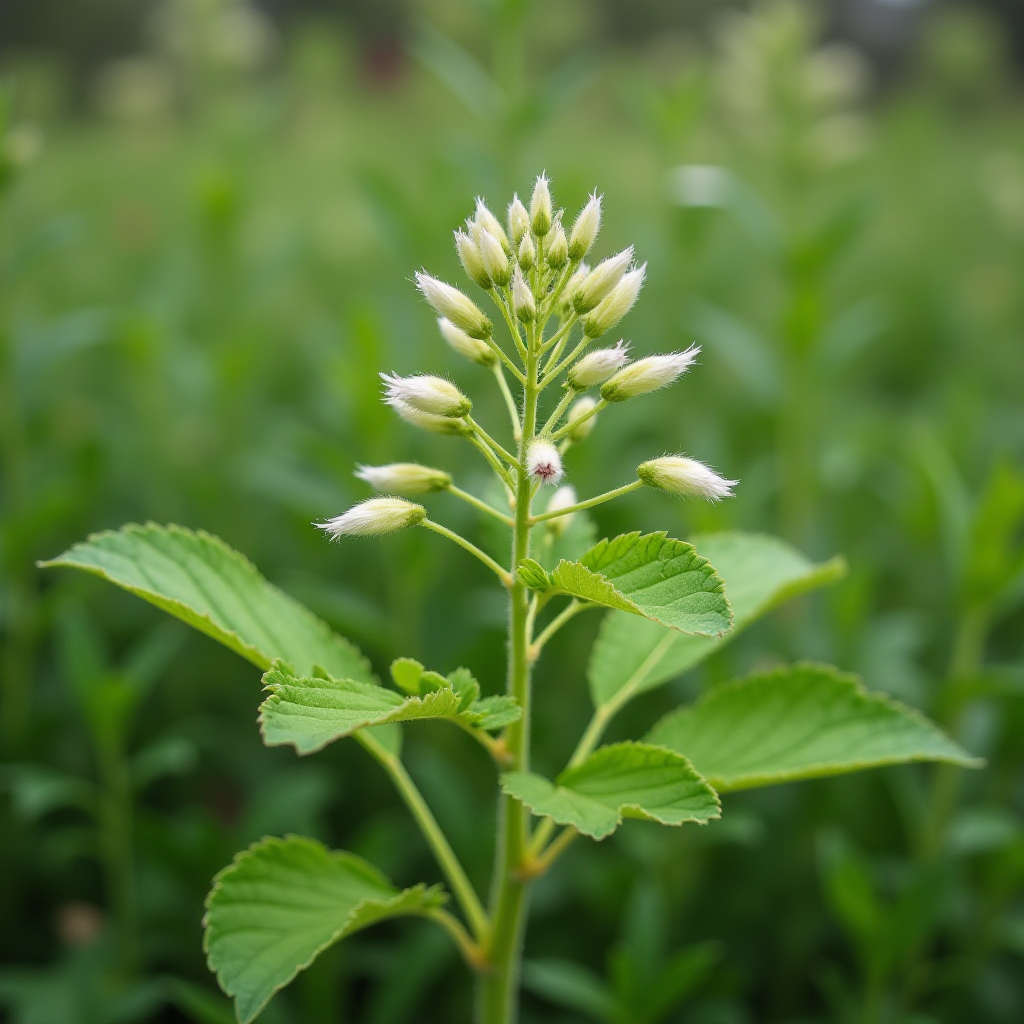
Catnip (Nepeta cataria) is a perennial herb in the mint family (Lamiaceae), native to Europe, Asia, and Africa but now naturalised throughout North America. The plant produces small, white or pale purple flowers and heart-shaped, grey-green leaves with a distinct minty, slightly earthy aroma. The common name “catnip” refers to the plant’s intoxicating effect on domestic cats, caused by the compound nepetalactone.
The primary active compounds in catnip include nepetalactone, nepetalic acid, tannins, flavonoids (including quercetin and rutin), thymol, caffeic acid, and rosmarinic acid. These compounds work through several mechanisms: mild sedative effects (calming the nervous system without heavy sedation), antispasmodic properties (relaxing smooth muscle in the digestive tract and uterus), carminative action (relieving gas and bloating), mild analgesic effects (reducing minor pain), antimicrobial activity (inhibiting certain bacteria), and diaphoretic effects (mildly inducing sweating to reduce fever). When prepared as a tea, these compounds are extracted into the water, providing a gentle but effective remedy for nervous tension, digestive upset, and sleep difficulties.
Unlike valerian or passionflower, which can be too strong for some people, catnip is exceptionally gentle and safe, making it suitable for children and the elderly.
Key health benefits of catnip tea
Nervous tension and anxiety relief is one of the most common uses of catnip tea. The mild sedative properties help calm the nervous system without causing next-day drowsiness. Catnip is particularly useful for the kind of low-grade, persistent anxiety that makes it hard to relax. It is often given to children and adults who are feeling “wound up” or unable to settle.
Sleep support is another major benefit. Catnip tea can help with difficulty falling asleep, particularly when the problem is driven by nervous tension, racing thoughts, or an inability to wind down. It is not as strong as valerian or passionflower, but it is much safer for regular use and has no next-day grogginess. A cup of catnip tea before bed can be part of a calming bedtime ritual.
Digestive comfort comes from catnip’s antispasmodic and carminative properties. It helps relax the smooth muscle of the digestive tract, relieving gas, bloating, cramping, and indigestion. Catnip tea is often given to children for “nervous tummy” – that feeling of knots in the stomach caused by stress or anxiety.
Infant colic is a traditional use of catnip tea. Breastfeeding mothers who drink catnip tea pass the active compounds to their infant through breast milk, helping to relieve colic symptoms. Catnip is a common ingredient in gripe water formulations for this reason. (Always consult a healthcare provider before using any herbal remedy for an infant.)
Menstrual cramp relief comes from catnip’s antispasmodic properties. It helps relax the smooth muscle of the uterus, reducing the intensity of menstrual cramps. A cup of catnip tea during menstruation can help ease discomfort.
Fever reduction is a traditional use of catnip. It has mild diaphoretic (sweat-inducing) properties that can help lower body temperature during a fever. It is often combined with elderflower and peppermint in fever formulas for children.
Respiratory support includes helping to clear congestion and calm coughs. Catnip’s mild antispasmodic properties can help relax bronchial muscles, and its soothing effects can calm a persistent dry cough.
Stress-related skin conditions may benefit from catnip tea. By reducing nervous tension and calming the nervous system, catnip can help with stress-induced skin flare-ups such as eczema, psoriasis, and hives.
How to prepare catnip tea
Catnip tea can be prepared from dried or fresh leaves.
From dried leaves: Use one to two teaspoons of dried catnip leaves per cup of water. Pour freshly boiled water over the leaves and steep for 5–10 minutes. Longer steeping produces a stronger, more sedative infusion.
Strain well: Strain the tea through a fine mesh strainer or tea infuser to remove the leaves before drinking.
From fresh leaves: Use a small handful of fresh catnip leaves (about 5–10 leaves) per cup. Steep for 5–10 minutes.
Flavour: Catnip tea has a mild, earthy, slightly minty, and herbaceous flavour. It is not bitter and is pleasant on its own.
Blending: Catnip blends well with other calming herbs such as chamomile, lemon balm, or fennel. A blend of catnip and chamomile is excellent for sleep.
Sweetening: Honey can be added, but the tea is pleasant on its own.
How to use catnip tea safely
Catnip tea is generally safe for most people when consumed in moderate amounts – one to three cups daily. However, several precautions apply.
Pregnancy and breastfeeding: Catnip is generally considered safe in moderate amounts (one to two cups daily) during pregnancy. However, medicinal doses (strong tea consumed regularly) should be discussed with a healthcare provider. Catnip has mild uterine-stimulating effects and should be avoided in large amounts. Breastfeeding mothers can drink catnip tea, and the compounds pass into breast milk, which can help with infant colic.
Allergies: Catnip is in the Lamiaceae (mint) family, which includes peppermint, basil, rosemary, oregano, and lavender. Individuals with known allergies to these plants may also react to catnip.
Sedatives and anti-anxiety medications: Catnip has mild sedative properties. It may potentiate the effects of benzodiazepines, barbiturates, and other sedatives. Consult your healthcare provider before combining.
Children: Catnip tea is safe for children in appropriate doses. Use half the adult amount (one-half to one teaspoon per cup). It is often used for colic, nervous tension, and sleep difficulties in children. For infants, catnip is usually given through breast milk rather than directly.
Essential oil warning: Catnip essential oil is highly concentrated and should never be ingested. Only use dried leaves or tea bags for tea.
Recommended dosage
For nervous tension and anxiety, one to two cups of catnip tea daily as needed. For sleep support, one cup thirty to sixty minutes before bed. For digestive discomfort, one cup after meals. For children, use half the adult amount. Catnip is very safe and can be used as needed.
Limitations of catnip tea
Catnip tea is not a substitute for medical treatment, particularly for severe anxiety disorders, chronic insomnia, or serious digestive conditions. Its effects are mild and work best as part of a broader approach that includes stress management, good sleep hygiene, and appropriate medical care when needed. Claims that catnip “cures” anxiety or insomnia are unsupported; it is best understood as a gentle supportive tool.
FAQ
Does catnip tea make you sleepy?
Catnip tea has mild sedative properties that can help promote relaxation and sleep, but it is not a strong sedative. It is best for mild sleep difficulties or as part of a calming bedtime routine.
Is catnip tea safe for babies?
Catnip tea is not usually given directly to infants, but breastfeeding mothers can drink catnip tea, and the active compounds pass through breast milk to help relieve colic. Always consult a healthcare provider before giving any herbal remedy to an infant.
What does catnip tea taste like?
Catnip tea has a mild, earthy, slightly minty, and herbaceous flavour. It is pleasant and not bitter.
Is catnip tea safe during pregnancy?
Catnip is generally considered safe in moderate amounts (one to two cups daily) during pregnancy. However, it has mild uterine-stimulating effects and should be avoided in large amounts. Consult a healthcare provider before regular use.
Does catnip tea have side effects?
Catnip tea is generally very safe. The most common side effect is mild drowsiness. Very large amounts may cause digestive upset.
Conclusion
Catnip tea is a gentle, safe, and effective herbal remedy for nervous tension, anxiety, digestive upset, and sleep difficulties. Unlike stronger sedatives that can cause next-day grogginess or dependency, catnip works gently and is suitable for children and adults alike. Its mild, earthy, minty flavour is pleasant and well tolerated. Used as part of a calming bedtime ritual or to settle a nervous stomach, catnip tea is a valuable addition to any home herbal medicine cabinet.
Recommended Products
If you’d like to try the above herbal teas for yourself, we’ve curated a selection of high-quality, tested sources below. Every product we recommend has been chosen for purity and potency, or visit our online Herbal Tea Shop for even more choice.
Catnip tea (loose leaf): https://amzn.to/4muRGXP
Catnip tea bags: https://amzn.to/4uh9XuB
Chamomile tea (loose leaf): https://amzn.to/3Pv6zgo (for blending)
Lemon balm tea (loose leaf): https://amzn.to/4bA4NlH (for blending)
Fennel tea (loose leaf): https://amzn.to/4ssAbtF (for blending)
Manuka Honey: https://amzn.to/47p7i9g
High-quality Garlic press: https://amzn.to/4sFBsxD
Tea infuser: https://amzn.to/4lAToGE
Glass teapot: https://amzn.to/4snGsGY
Storage boxes: https://amzn.to/47UQgQf
Assortment Box: https://amzn.to/3NFO9ZJ
Visit our online Herbal Tea Shop for more choice!
Do you read novels? Visit our bookshop to check out the ‘culturally grounded, Otherworldly narratives’ by Owen Jones.
Looking for a specific herbal tea? Browse the full A–Z list here:
Herbal Teas A-Z List
Get the Free Herbal Tea Shop Cheat Sheet
Further Reading
For a full evidence-based overview of herbal tea benefits, safety, and quality considerations, read our complete guide to Herbal Tea Benefits
1] For more on anxiety and stress relief, see:
Best Herbal Teas for Anxiety and Stress Relief
2] For sleep support, see:
Herbal Teas for Sleep
3] For digestive health, see:
Herbal Teas to Aid Digestion
4] For safety guidance on herbal teas, see:
Are Herbal Teas Safe?
5] For potential interactions with medications, see:
Herbal Tea and Medication
References
1] National Center for Complementary and Integrative Health (NCCIH) – Catnip
Provides evidence-based information on catnip safety and research.
2] European Medicines Agency – Catnip
Offers regulatory and safety assessments for catnip preparations.
3] National Health Service (NHS) – Colic
Provides medical guidance on infant colic and treatment options.
4] Cleveland Clinic – Natural Remedies for Anxiety
Provides practical recommendations for natural anxiety relief.