
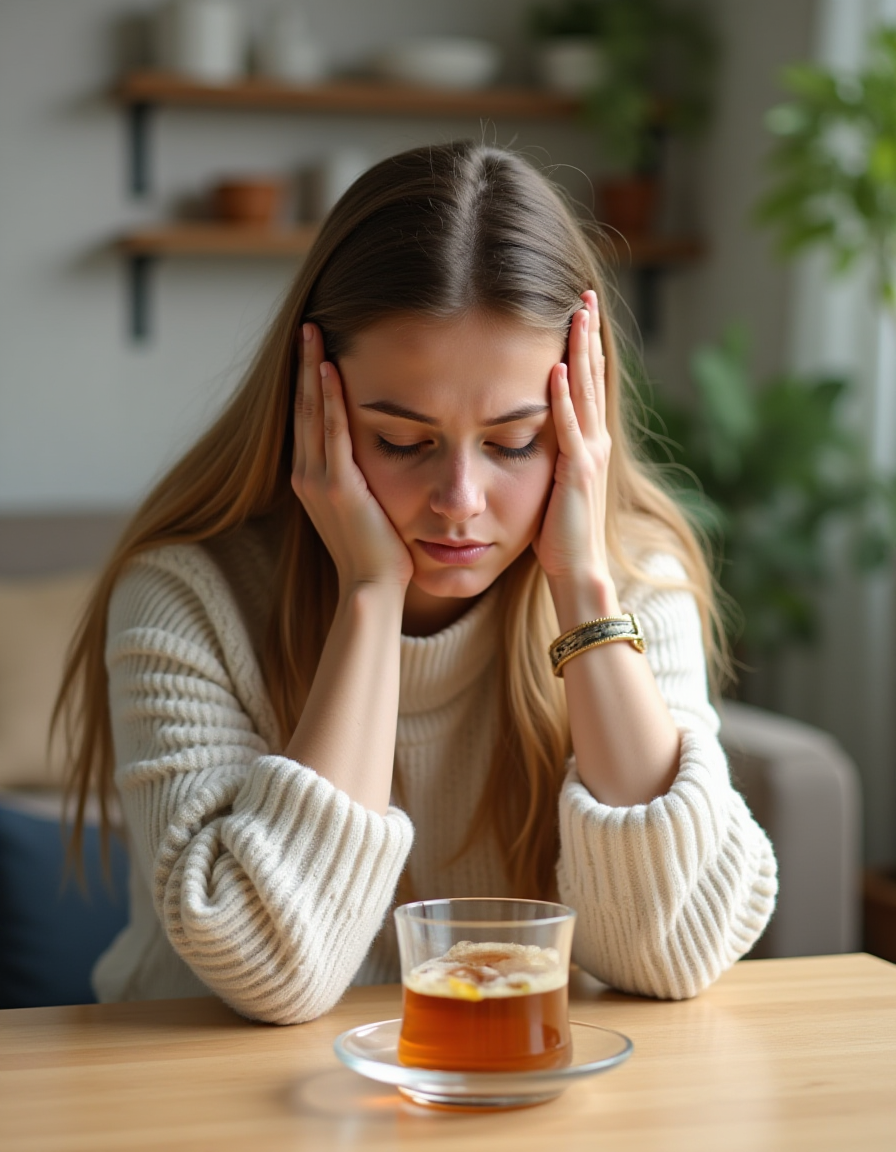


How the right herbal tea can help you wake up feeling rested
You sleep. You are in bed for seven or eight hours. But when you wake up, you do not feel rested. Your sleep feels shallow, unrefreshing, fragmented. You dream excessively or not at all. You toss and turn. You wake up feeling as tired as when you went to bed. Poor sleep quality – sometimes called non-restorative sleep – is a different problem from difficulty falling asleep or staying asleep. The issue is not quantity but depth. The best herbal teas for poor sleep quality work by prolonging deep sleep (slow-wave sleep), reducing light and fragmented sleep, and improving the restorative processes that happen during the night. Unlike sedatives that simply knock you out, these herbs help your brain cycle properly through the stages of sleep so that you wake up feeling actually rested. Read on to find out more about improving poor sleeping quality.
Sleep Support Topics:
1] Herbal Teas for Difficulty Falling Asleep
2] Herbal Teas for Difficulty Staying Asleep
3] Herbal Teas for Early Morning Waking
4] Herbal Teas for Poor Sleep Quality
5] Herbal Teas for Stress-Related Insomnia
6] Home – Herbal Teas for Sleep
7] Home – Herbal Tea Benefits
If you’d like to try the herbal teas mentioned in this article for yourself, we’ve curated a selection of high-quality, tested sources below. Every product we recommend has been chosen for purity and potency, or visit our online Herbal Tea Shop for even more choice.
Looking for a specific herbal tea? Browse the full A–Z list here:
Herbal Teas A-Z List
Get the Free Herbal Tea Shop Cheat Sheet
How herbal teas help with poor sleep quality
The best herbal teas for poor sleep quality work through several mechanisms that target the specific problem of shallow or unrefreshing sleep.
- Sedative herbs prolong the deeper stages of sleep, particularly slow-wave sleep, which is the most restorative phase.
- GABAergic herbs quiet neural activity, reducing the micro-awakenings that fragment sleep without you even realising you woke up.
- Anxiolytic herbs reduce the underlying anxiety that can keep sleep shallow and prevent deep relaxation.
- Nervine tonics nourish the nervous system over time, improving overall sleep architecture.
- Adaptogenic herbs regulate cortisol, which, when elevated during the night, can suppress deep sleep and increase light sleep.
The best herbal teas for poor sleep quality
Valerian root tea is one of the most studied herbs for improving sleep quality. Unlike simple sedatives that induce sleep but do not improve its depth, valerian appears to enhance slow-wave sleep, the deepest and most restorative stage. Some research suggests that valerian increases the amount of time spent in this stage while reducing light and fragmented sleep. However, valerian is inconsistent – some people find it profoundly helpful, while others notice little benefit. It also has a strong, earthy, somewhat unpleasant aroma and flavour. Valerian is often blended with lemon balm or peppermint to improve palatability. If you choose valerian, try it for the first time on a night when next-day alertness is not critical, as some people experience next-day drowsiness.

Passionflower tea is a GABAergic herb that helps quiet neural activity and reduce the micro-awakenings that fragment sleep. Even if you do not remember waking up, these brief arousals prevent you from reaching or maintaining deep sleep. Passionflower increases GABA levels in the brain, promoting sustained relaxation throughout the night and reducing these disruptions. It is particularly useful for poor sleep quality driven by a racing mind or nighttime anxiety. The tea has a mildly sweet, earthy, slightly grassy flavour. Drink a cup before bed, and consider keeping a thermos by your bedside to sip if you wake during the night.
Ashwagandha tea is an adaptogen that addresses poor sleep quality at its hormonal root. When cortisol remains elevated during the night, it suppresses deep sleep and increases light, restless sleep. Ashwagandha has been shown to significantly reduce cortisol levels, helping restore normal sleep architecture. Unlike acute sedatives that work quickly but temporarily, ashwagandha works cumulatively, with benefits typically becoming noticeable after two to four weeks of consistent daily use. It is best taken earlier in the evening or even in the morning. For those whose poor sleep quality is linked to chronic stress, burnout, or high cortisol, ashwagandha is perhaps the most important herb. It has a slightly bitter, earthy flavour that is often improved with honey or a cinnamon stick.
Lemon balm tea is a gentle nervine that works well for mild poor sleep quality, particularly when the problem is driven by stress or nervous tension rather than a dramatic hormonal imbalance. Lemon balm influences GABA activity and has been shown to improve calmness and reduce feelings of alertness-related tension. It is often combined with valerian or passionflower to enhance their effects. Its mild, citrusy flavour is pleasant, and it can be drunk before bed or throughout the evening.
Chamomile tea is a gentle option for mild poor sleep quality. Its mild GABAergic effects promote sustained relaxation without heavy sedation. Chamomile is exceptionally safe and can be used nightly without concern. While it is not strong enough to address significant sleep architecture problems on its own, it can be a useful part of a broader sleep quality improvement routine. Its mild, floral, apple-like flavour is pleasant and soothing.
Lavender tea has been shown to improve sleep quality, particularly by prolonging deep sleep and reducing light sleep. Lavender contains linalool and linalyl acetate, compounds that have demonstrated sleep-enhancing effects in both animal and human studies. Unlike aromatherapy, which works through the olfactory system, drinking lavender tea allows the compounds to enter the bloodstream through digestion, potentially offering more sustained effects throughout the night. Lavender tea has a distinct, perfumed flavour that some find relaxing and others find overpowering. It blends well with chamomile or lemon balm for those who prefer a milder taste.
Holy Basil (Tulsi) tea is another adaptogen that helps regulate cortisol and improve sleep quality. Like ashwagandha, tulsi works cumulatively over time rather than acutely. It is particularly useful for poor sleep quality linked to chronic stress, burnout, or a feeling of being “wired but tired.” Tulsi has a warm, clove-like, slightly peppery flavour that is comforting, especially during stressful periods. Regular tulsi consumption may help restore normal sleep architecture over several weeks.
Reishi mushroom tea is a medicinal mushroom traditionally used in Chinese medicine to improve sleep quality and promote longevity. Reishi has been shown to increase total sleep time and improve sleep architecture without the sedation associated with pharmaceutical sleep aids. It is particularly useful for people who sleep enough hours but wake up feeling unrefreshed. Reishi has a bitter, earthy flavour that is often blended with other herbs to improve palatability. It is available in tea bags or as dried slices for steeping.
Magnolia bark tea is a lesser-known herb that has been shown to improve sleep quality by reducing cortisol and acting on GABA receptors. Magnolia bark has been studied for its ability to reduce nighttime awakenings and improve deep sleep. It has a woody, slightly bitter flavour and is often combined with other sleep herbs.
If you’d like to try the above herbal teas for yourself, we’ve curated a selection of high-quality, tested sources below. Every product we recommend has been chosen for purity and potency, or visit our online Herbal Tea Shop for even more choice.
How to choose the right tea for your poor sleep quality
Selecting the best herbal tea for poor sleep quality depends on the underlying cause of your unrefreshing sleep.
For shallow, light sleep with frequent micro-awakenings: Valerian and passionflower help prolong deep sleep and reduce sleep fragmentation.
For poor sleep quality driven by high cortisol and chronic stress: Ashwagandha and holy basil (Tulsi) address the hormonal root cause over several weeks of consistent use.
For mild, stress-related poor sleep quality: Lemon balm, chamomile, or lavender offer gentle support.
For sleep that feels unrefreshing despite adequate hours: Reishi mushroom may help improve sleep architecture and restorative processes.
For poor sleep quality with nighttime anxiety or racing thoughts: Passionflower is particularly effective.
For those who are pregnant or breastfeeding: Chamomile is generally considered safest, though medical advice should always be sought. Ashwagandha, valerian, and passionflower are typically avoided during pregnancy.
For children with poor sleep quality: Chamomile is the gentlest option. Lemon balm may also be suitable in smaller quantities.
How to use herbal teas for poor sleep quality effectively
Consistency is crucial. Unlike acute insomnia remedies that work the same night, improving sleep quality often takes time. Adaptogens like ashwagandha and tulsi require two to four weeks of consistent daily use before benefits become noticeable. Do not give up after a few nights.
Take adaptogens earlier in the day. For ashwagandha, tulsi, and reishi, many people find that taking them in the morning or early afternoon works better than taking them immediately before bed. These herbs support the HPA axis and cortisol rhythms throughout the day, not just at night.
Create a sleep-friendly environment. Poor sleep quality is often exacerbated by environmental factors: light pollution, noise, temperature, or an uncomfortable mattress. Herbal teas work best when combined with good sleep hygiene.
Track your sleep quality. Keep a simple sleep diary. Rate your sleep quality each morning on a scale of 1 to 10. This will help you notice gradual improvements that you might otherwise miss.
Combine herbs for better results. Many people find that a combination of herbs works better than any single herb. For example, valerian and lemon balm together may improve sleep quality more effectively than either alone. Passionflower and ashwagandha can also be combined.
Be patient with slow-acting herbs. Valerian and passionflower may produce some improvement the first night, but their full effects on sleep architecture often take one to two weeks to develop. Ashwagandha and tulsi take even longer.
Brew for potency. For acute poor sleep quality, brew your tea stronger than you would for daily maintenance. Use two teaspoons of dried herb per cup rather than one, and steep for ten minutes rather than five.
Safety considerations
Most herbal teas for poor sleep quality are safe for regular use when taken as directed. However, several precautions apply.
Valerian root may cause next-day drowsiness in some individuals. Do not drive or operate heavy machinery until you know how valerian affects you. It should not be combined with alcohol or sedative medications.
Ashwagandha should be used with caution by those with thyroid conditions, as it can increase thyroid hormone levels. It may also interact with sedatives, diabetes medications, and immunosuppressants. Pregnant women should avoid ashwagandha.
Passionflower is generally safe but may cause dizziness in sensitive individuals. Pregnant women should avoid passionflower due to potential uterine-stimulating effects.
Reishi mushroom may interact with blood thinners and blood pressure medications. It may also cause mild digestive upset in some individuals.
Magnolia bark may interact with sedatives and should be used with caution by those with liver conditions.
Holy basil (Tulsi) is generally very safe but may interact with blood thinners and diabetes medications.
Chamomile may cause allergic reactions in individuals sensitive to ragweed, chrysanthemums, marigolds, or other plants in the Asteraceae family.
Lemon balm is generally very safe but may interact with thyroid medications and sedatives.
Lavender is generally very safe but may cause mild digestive upset in sensitive individuals when consumed in large amounts.
If you have chronic sleep problems, an underlying medical condition, or are taking medication, consult your healthcare provider before using herbal teas for sleep. Persistent poor sleep quality may indicate sleep apnoea, depression, or other conditions that require professional attention.
FAQ
What is the best herbal tea for poor sleep quality?
Valerian root and passionflower are often recommended for improving sleep architecture and reducing light, fragmented sleep. For cortisol-driven poor sleep quality, ashwagandha is the best choice.
How long does it take for herbal tea to improve sleep quality?
Acute herbs like valerian and passionflower may produce some improvement within a few days, but full benefits often take one to two weeks. Adaptogens like ashwagandha typically require two to four weeks of consistent daily use.
Can herbal tea help with deep sleep?
Yes. Valerian, passionflower, ashwagandha, and reishi have all been shown to increase slow-wave (deep) sleep in various studies.
Why do I sleep eight hours but still feel tired?
Poor sleep quality can be caused by high cortisol, sleep apnoea, anxiety, or other factors. Ashwagandha can help if cortisol is the issue, but persistent unrefreshing sleep should be evaluated by a healthcare provider.
Is it safe to take multiple sleep teas together?
Yes, combining herbs is common and often more effective than using a single herb. Valerian and lemon balm, or passionflower and ashwagandha, are good combinations. However, start with one herb at a time to assess your response.
Conclusion
The best herbal teas for poor sleep quality address the specific problem of shallow, unrefreshing sleep. Valerian and passionflower prolong deep sleep and reduce fragmentation. Ashwagandha and holy basil lower cortisol, restoring normal sleep architecture over time. Reishi mushroom improves restorative processes. Lemon balm, chamomile, and lavender offer gentle support for mild cases. By matching the herb to the underlying cause of your poor sleep quality – adaptogens for high cortisol, sedatives for light sleep, nervines for nighttime anxiety – and using them consistently, you can wake up feeling actually rested for the first time in years.
Recommended Products
If you’d like to try the above herbal teas for yourself, we’ve curated a selection of high-quality, tested sources below. Every product we recommend has been chosen for purity and potency, or visit our online Herbal Tea Shop for even more choice.
👉 Best to try first: Lemon Balm Tea
Lemon balm has been shown to improve sleep quality and reduce restlessness. It is gentle enough for daily use. Start here:
Lemon balm tea (loose leaf): https://amzn.to/4bA4NlH
Lemon balm tea bags: https://amzn.to/47elJNf
Valerian root tea (loose leaf): https://amzn.to/4sq5x43
Valerian root tea bags: https://amzn.to/4t1QQ7g
Passionflower tea (loose leaf): https://amzn.to/4dhmjNZ
Passionflower tea bags: https://amzn.to/4lXRdgt
Ashwagandha root tea (loose leaf): https://amzn.to/4sKLQEh
Chamomile tea (loose leaf): https://amzn.to/3Pv6zgo
Chamomile tea bags: https://amzn.to/4bCq3XM
Lavender tea (loose leaf): https://amzn.to/4bCESLp
Holy Basil (Tulsi) tea (loose leaf): https://amzn.to/4dsdpgJ
Holy Basil (Tulsi) tea bags: https://amzn.to/4tx4RKg
Reishi mushroom tea bags: https://amzn.to/4mcEXZX
Manuka Honey: https://amzn.to/47p7i9g
High-quality Garlic press: https://amzn.to/4sFBsxD
Tea infuser: https://amzn.to/4lAToGE
Glass teapot: https://amzn.to/4snGsGY
Storage boxes: https://amzn.to/47UQgQf
Assortment Box: https://amzn.to/3NFO9ZJ
Visit our online Herbal Tea Shop for more choice!
Do you read novels? Visit our bookshop to check out the ‘culturally grounded, Otherworldly narratives’ by Owen Jones.
Looking for a specific herbal tea? Browse the full A–Z list here:
Herbal Teas A-Z List
Get the Free Herbal Tea Shop Cheat Sheet
Further Reading
For a full evidence-based overview of herbal tea benefits, safety, and quality considerations, read our complete guide to Herbal Tea Benefits
1] For the main sleep core page, see:
Herbal Teas for Sleep
2] For the first pillar on falling asleep, see:
Herbal Teas for Difficulty Falling Asleep
3] For the second pillar on staying asleep, see:
Herbal Teas for Difficulty Staying Asleep
4] For the third pillar on early morning waking, see:
Herbal Teas for Early Morning Waking
Visit our bookshop to check out the ‘culturally grounded, Otherworldly narratives’ by Owen Jones.
References
1] National Health Service (NHS) – Insomnia
Provides medical guidance on sleep problems, including poor sleep quality.
2] National Center for Complementary and Integrative Health (NCCIH) – Valerian
Summarises research on valerian for sleep quality.
3] National Center for Complementary and Integrative Health (NCCIH) – Ashwagandha
Offers evidence-based information on ashwagandha for stress and sleep.
4] Cleveland Clinic – How to Improve Sleep Quality
Provides practical recommendations for achieving restorative sleep.
Looking for a specific herbal tea? Browse the full A–Z list here:
Herbal Teas A-Z List
Get the Free Herbal Tea Shop Cheat Sheet