

How herbal tea compares to true tea on caffeine
The question of whether herbal tea is naturally caffeine-free depends largely on how the term “herbal tea” is defined. In strict botanical terms, true teas – green, black, white, and oolong – come from the Camellia sinensis plant and naturally contain caffeine. Herbal teas, more accurately called tisanes, are infusions made from the roots, leaves, flowers, seeds, or bark of plants that are not Camellia sinensis. By this definition, genuine herbal teas are naturally caffeine-free. However, confusion arises because some commercial blends combine true tea with herbs, and certain “herbal” ingredients like yerba mate or guayusa contain their own natural caffeine. Understanding these distinctions helps consumers choose beverages that align with their caffeine sensitivity, sleep needs, or preference for a stimulant-free lifestyle.
What makes a tea naturally caffeine-free
A beverage qualifies as naturally caffeine-free when none of its ingredients derive from plants that produce caffeine as a natural compound. True teas (Camellia sinensis) contain caffeine regardless of processing – white, green, oolong, and black teas all retain this stimulant. In contrast, genuine herbal infusions come from plants such as chamomile (Matricaria chamomilla), peppermint (Mentha × piperita), rooibos (Aspalathus linearis), and hibiscus (Hibiscus sabdariffa). These species do not produce caffeine, so their infusions are inherently caffeine-free. However, the term “herbal tea” is sometimes used loosely on product labels. A box labelled “lemon ginger herbal tea” may be naturally caffeine-free, but a “chai herbal blend” might include black tea unless specified otherwise. Checking ingredients is the only reliable way to confirm whether a product is truly naturally caffeine-free.
Common herbs that are naturally caffeine-free
A wide range of traditional medicinal and culinary herbs produce naturally caffeine-free infusions. These include:
Chamomile: One of the most widely consumed caffeine-free infusions, chamomile is valued for its mild sedative properties and is frequently used to support sleep and relaxation.
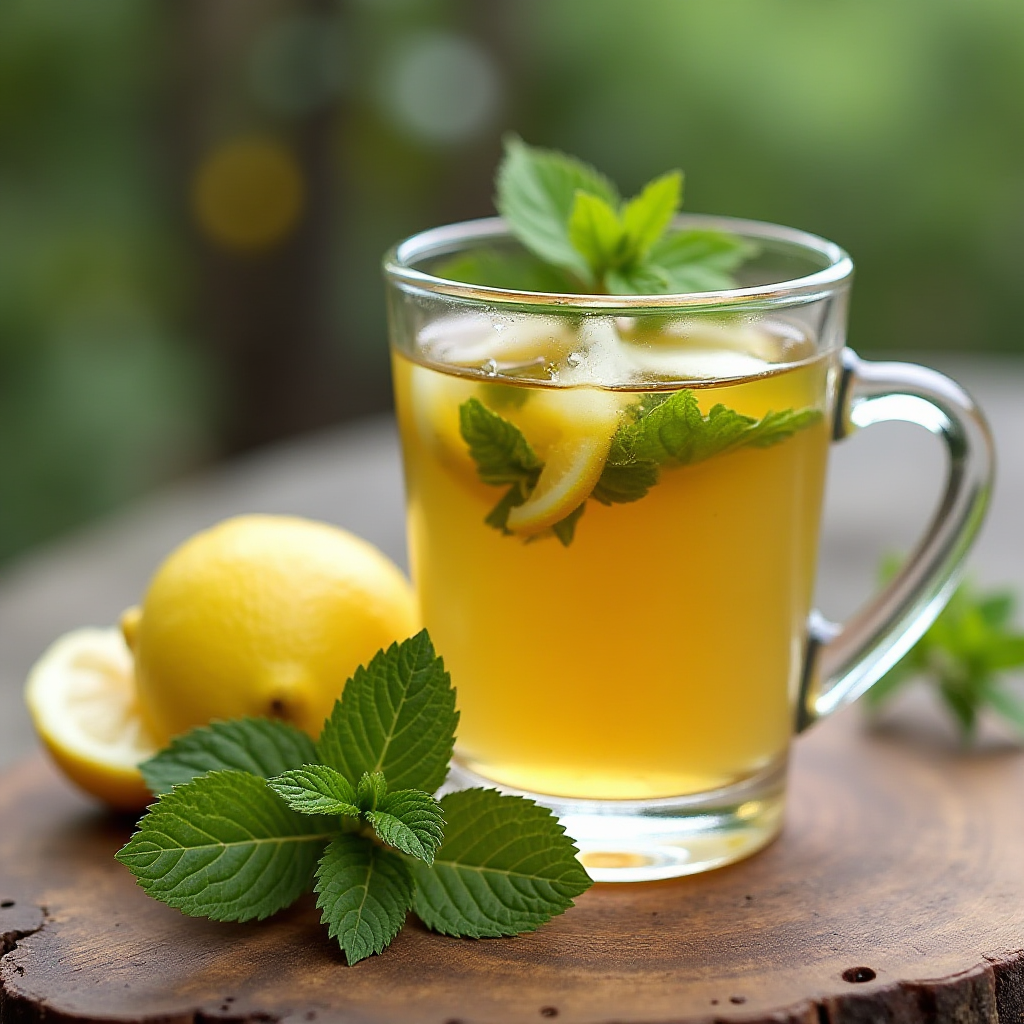
Peppermint and spearmint: Both members of the mint family produce refreshing, caffeine-free teas that aid digestion and provide mental clarity without stimulation.
Rooibos: Grown exclusively in South Africa’s Cederberg region, rooibos is a naturally caffeine-free bush that produces a sweet, nutty infusion rich in antioxidants.
Hibiscus: Dried hibiscus flowers create a tart, ruby-red infusion that is naturally caffeine-free and commonly used to support cardiovascular health.
Ginger: Fresh or dried ginger root produces a warming, spicy infusion that contains no caffeine and is widely used for nausea and circulation.
Lemon balm: A member of the mint family, lemon balm yields a mild, citrus-scented caffeine-free tea often used for stress relief.
Fennel and liquorice root: Both produce sweet, naturally caffeine-free infusions that support digestion and respiratory health.
Herbal ingredients that do contain caffeine
Some plants commonly marketed in the “herbal tea” category are not naturally caffeine-free. These include:
Yerba mate: A South American holly species (Ilex paraguariensis) that naturally contains caffeine, often at levels comparable to green tea.
Guayusa: Another Amazonian holly relative with naturally occurring caffeine.
Guarana: A climbing plant whose seeds contain high concentrations of caffeine, sometimes added to tea blends for energy.
Coffee cherry (cascara): Dried skins of coffee cherries contain caffeine and are sometimes sold as “herbal” infusions.
Products containing these ingredients are not naturally caffeine-free, even though they are often shelved alongside traditional herbal teas.
How to verify a tea is naturally caffeine-free
For consumers seeking to avoid caffeine entirely, verification requires more than package claims. Labels stating “naturally caffeine-free” are generally reliable for single-ingredient herbal teas like chamomile or rooibos. However, blends require scrutiny. Ingredients should list only herbs known to be free of caffeine. When in doubt, contacting the manufacturer or choosing products from reputable brands that specify “caffeine-free” alongside full ingredient disclosure is advisable. Loose-leaf herbal teas sold by reputable herbalists typically provide clear botanical names and sourcing information, reducing the risk of hidden caffeine sources.
Limitations of caffeine-free herbal teas
While naturally caffeine-free herbal teas offer many benefits, they are not universally suitable. Some herbs interact with medications – for example, St. John’s wort affects antidepressant efficacy, and liquorice root can alter potassium levels in people on certain cardiac drugs. Additionally, “caffeine-free” does not mean “effect-free.” Chamomile may cause allergic reactions in individuals sensitive to ragweed, and peppermint can exacerbate acid reflux in some people. Pregnant or breastfeeding individuals should consult healthcare providers before consuming herbal teas regularly, as some herbs have uterine-stimulating or other physiological effects unrelated to caffeine.
FAQ
Is all herbal tea naturally caffeine-free?
No. While true herbal teas (tisanes) made from plants other than Camellia sinensis are naturally caffeine-free, some products labelled “herbal tea” contain yerba mate, guayusa, or other caffeine-containing plants. Always check ingredient lists.
Does rooibos contain caffeine?
No. Rooibos (Aspalathus linearis) is naturally caffeine-free and is a popular choice for those avoiding stimulants.
Can herbal tea be called caffeine-free if it contains traces of caffeine?
Regulatory standards vary. In the EU and US, products labelled “caffeine-free” must contain no detectable caffeine. However, “decaffeinated” teas may contain trace amounts.
Is peppermint tea safe for evening consumption?
Yes. Peppermint tea is naturally caffeine-free and is generally considered safe in the evening, though its refreshing flavour may be too stimulating for some individuals trying to wind down.
Conclusion
Understanding whether herbal tea is naturally caffeine-free comes down to botanical origins and careful label reading. Genuine tisanes made from herbs, flowers, roots, and fruits that are not Camellia sinensis or caffeine-producing plants offer a truly stimulant-free experience. For those avoiding caffeine due to pregnancy, anxiety disorders, medication interactions, or simply personal preference, single-ingredient herbal teas like chamomile, rooibos, peppermint, and hibiscus provide safe, enjoyable options. When in doubt, reviewing ingredient lists and choosing reputable brands ensures your cup contains exactly what you expect.
Further Reading
For a full evidence-based overview of herbal tea benefits, safety, and quality considerations, read our complete guide to Herbal Tea Benefits.
1] To understand the difference between true tea and herbal infusions, see our article Herbal Tea vs True Tea:
https://meganpublishingservices.com/herbal-tea-benefits/herbal-tea-vs-true-tea/
2] For more on selecting quality caffeine-free options, visit How to Choose Quality Herbal Tea:
https://meganpublishingservices.com/herbal-tea-benefits/how-to-choose-quality-herbal-tea/
Visit our bookshop to check out the ‘culturally grounded, Otherworldly narratives’ by Owen Jones.
Recommended Products
Chamomile tea (loose leaf): https://amzn.to/3Pv6zgo
Chamomile tea bags: https://amzn.to/4bCq3XM
Hibiscus tea (loose leaf): https://amzn.to/4bzVBOd
Hibiscus tea bags: https://amzn.to/40IUXZB
High-quality Peppermint tea (loose leaf): https://amzn.to/4lIQSyi
Peppermint tea bags: https://amzn.to/3NMIelO
Rooibos tea (loose leaf): https://amzn.to/4sAltAK
Rooibos tea bags: https://amzn.to/4bJInyd
Spearmint (loose leaf): https://amzn.to/4bTpAAQ
Spearmint tea bags: https://amzn.to/41vhLMG
Yerba mate tea (loose leaf): https://amzn.to/4mKrI2B
Yerba mate tea bags: https://amzn.to/4tss28L
Green tea (loose leaf): https://amzn.to/4lV0bLO
Manuka Honey: https://amzn.to/47p7i9g
High-quality Garlic press: https://amzn.to/4sFBsxD
Tea infuser: https://amzn.to/4lAToGE
Glass teapot: https://amzn.to/4snGsGY
Storage boxes: https://amzn.to/47UQgQf
Assortment Box: https://amzn.to/3NFO9ZJ
References
1] National Center for Complementary and Integrative Health (NCCIH) – Herbal Medicine:
https://www.nccih.nih.gov/health/herbalmedicine
Provides evidence-based overviews of herbal products and safety considerations.
2] US Food and Drug Administration (FDA) – Caffeine:
https://www.fda.gov/food/food-additives-petitions/caffeine
Outlines regulatory definitions of caffeine content and labelling.
3] Cleveland Clinic – Herbal Tea: Caffeine Content and Benefits:
https://health.clevelandclinic.org/herbal-tea
Explains which herbs are naturally caffeine-free and offers safety guidance.