

The fungus of immortality for immunity, sleep, and longevity
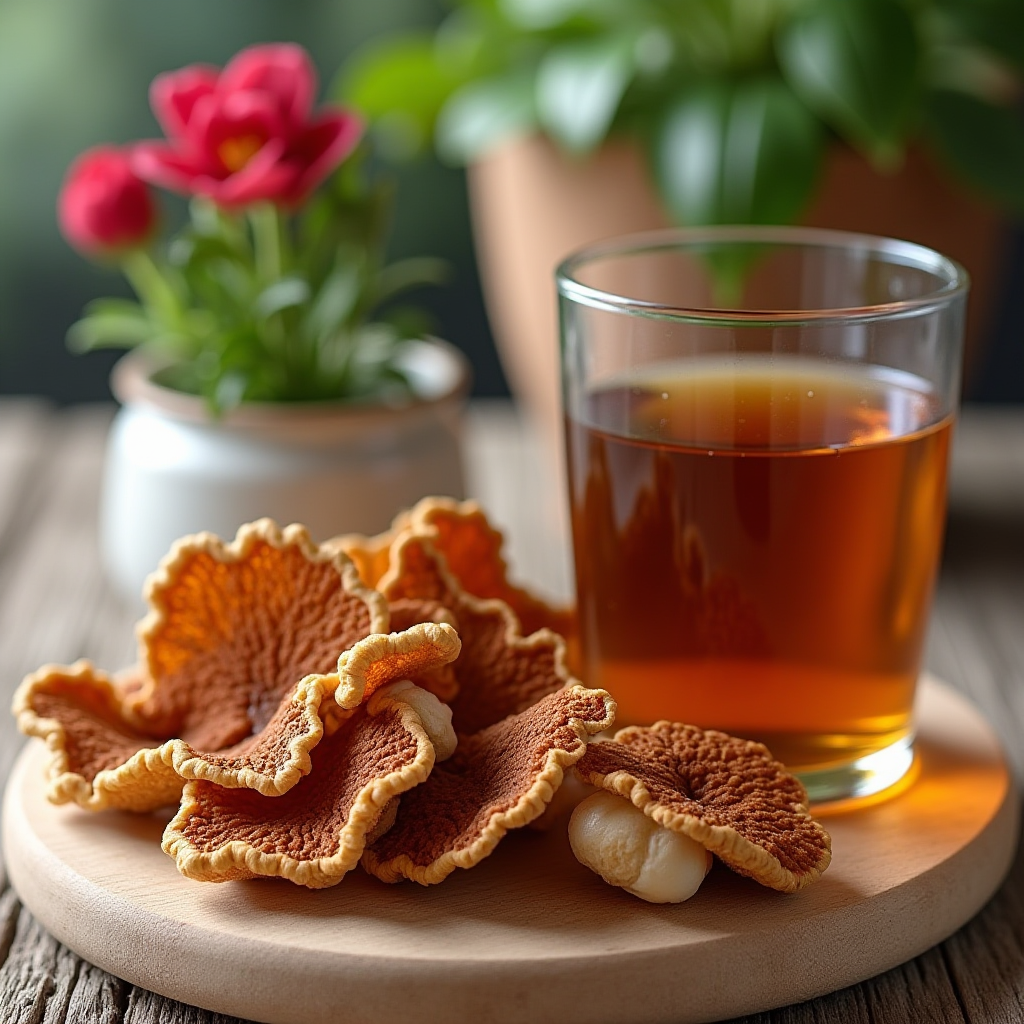
Reishi mushroom tea, made from the fruiting body of the Ganoderma lucidum fungus, has been used in Traditional Chinese Medicine for over 2,000 years. Known as the “mushroom of immortality” or “spirit plant,” reishi was reserved for royalty and emperors who sought longevity, vitality, and spiritual protection . In nature, reishi is a polypore fungus that grows on decaying hardwood trees, prized for its distinctive kidney-shaped cap and glossy, varnished appearance . Unlike culinary mushrooms, reishi is woody, tough, and bitter – it is not eaten for flavour but brewed as a tea for its medicine. The primary active compounds include triterpenoids (ganoderic acids), polysaccharides (beta-glucans), and peptidoglycans, which work together to modulate the immune system, calm the nervous system, and reduce inflammation . Modern research has validated many of its traditional uses, particularly for immune support, sleep improvement, stress reduction, and cancer support . The tea is intensely bitter and earthy. But for those seeking a potent adaptogenic mushroom with genuine therapeutic effects, reishi mushroom tea is unmatched.
“If you’d like to try the herbal teas mentioned in this article for yourself, we’ve curated a selection of high-quality, tested sources below. Every product we recommend has been chosen for purity and potency, or visit our online Herbal Tea Shop for even more choice”.
Looking for a specific herbal tea? Browse the full A–Z list here:
Herbal Teas A-Z List
Get the Free Herbal Tea Shop Cheat Sheet
What reishi mushroom tea is and how it works
Reishi (Ganoderma lucidum) is a polypore fungus that grows on hardwood trees in warm and humid regions of Asia, Europe, and the Americas. Unlike common edible mushrooms such as shiitake or button mushrooms, reishi is tough and woody, making it unsuitable for eating directly. Instead, the fruiting body is sliced, dried, and decocted (simmered) to extract the active compounds .
The primary active compounds in reishi include triterpenoids (ganoderic acids), polysaccharides (beta-glucans), peptidoglycans, sterols, and alkaloids . These compounds work through several mechanisms:
- Immunomodulatory effects – beta-glucans activate macrophages, natural killer cells, and T-cells, enhancing the body’s immune response
- Adaptogenic properties – helps the body resist stress and restore homeostasis
- Sedative and calming effects – triterpenoids may influence GABA receptors, promoting relaxation and sleep
- Anti-inflammatory activity – reduces systemic inflammation by modulating cytokine production
- Antioxidant effects – protects cells from oxidative damage
Unlike many herbal teas that work through single pathways, reishi mushroom tea is a broad-spectrum immunomodulator. The beta-glucans in reishi are structurally similar to those found in other medicinal mushrooms (shiitake, maitake) but have unique properties that make them particularly effective for immune modulation .
Key health benefits of reishi mushroom tea
Immune system support is the most well-documented benefit of reishi. The beta-glucans activate macrophages, natural killer cells, and T-cells, enhancing the body’s defence against infections and abnormal cells . Reishi mushroom tea has been shown to increase the activity of white blood cells, improve immune cell communication, and modulate the inflammatory response .
Cancer support has been extensively studied. Reishi has been used in Traditional Chinese Medicine for centuries as an adjunct to cancer treatment. Modern research suggests reishi may improve immune function in cancer patients, enhance the effectiveness of chemotherapy and radiotherapy, and reduce treatment-related side effects such as fatigue and nausea . A systematic review concluded that reishi extract could increase the percentage of T-lymphocytes and NK cells in cancer patients .
Sleep improvement is a traditional use of reishi that has gained modern attention. The triterpenoids (ganoderic acids) may influence GABA receptors in the brain, promoting relaxation and reducing sleep latency (the time it takes to fall asleep) . Unlike pharmaceutical sedatives, reishi mushroom tea does not cause next-day drowsiness and may actually improve sleep quality.
Stress and anxiety reduction comes from reishi’s adaptogenic properties. Adaptogens help the body resist physical and mental stress by modulating the hypothalamic-pituitary-adrenal (HPA) axis and reducing cortisol levels . Reishi has been shown to reduce fatigue, improve mood, and increase overall sense of wellbeing in people with chronic stress .
Heart health support has been demonstrated in some studies. Reishi extracts have been shown to lower LDL (“bad”) cholesterol, reduce triglycerides, and modestly lower blood pressure . The triterpenoids may also help prevent platelet aggregation, reducing the risk of blood clots .
Anti-inflammatory effects help reduce systemic inflammation. Chronic inflammation is linked to numerous conditions, including heart disease, diabetes, and autoimmune disorders. Reishi’s triterpenoids and polysaccharides have demonstrated anti-inflammatory activity in both laboratory and clinical studies .
Blood sugar regulation may be supported by reishi mushroom tea. Some studies suggest that reishi polysaccharides can improve insulin sensitivity and lower blood glucose levels, though more research is needed .
How to prepare reishi mushroom tea
Reishi is tough and woody. A simple steep in hot water will not extract the active compounds. A decoction is required.
Decoction method: Use one to two teaspoons of dried, sliced reishi mushroom per cup of water. Place the reishi in a saucepan with cold water. Bring to a boil, then reduce heat and simmer for 15–30 minutes. The longer the simmer, the stronger the tea. Strain and serve. Reishi pieces can be reused 2–3 times before they lose potency.
From tea bags: Use one tea bag per cup. Steep in freshly boiled water for 10–15 minutes. Tea bags typically contain finely powdered reishi, which infuses more quickly than whole slices.
Flavour: Reishi mushroom tea is intensely bitter and earthy with astringent notes. It is not a pleasant sipping tea for most people. The bitterness is due to the triterpenoids – the same compounds responsible for many of its therapeutic effects.
Blending: Reishi blends well with other herbs that mask the bitterness. Good options include liquorice root (sweet), peppermint, ginger, cinnamon, or orange peel. Honey is essential for palatability.
Traditional preparation: In Traditional Chinese Medicine, reishi is often simmered for hours or even days to produce a strong decoction. For home use, 30 minutes is sufficient.
“If you’d like to try the herbal teas mentioned in this article for yourself, we’ve curated a selection of high-quality, tested sources below. Every product we recommend has been chosen for purity and potency, or visit our online Herbal Tea Shop for even more choice”.
How to use reishi mushroom tea safely
Reishi is generally safe for most people when consumed in moderate amounts – one to three cups daily. However, several precautions apply.
Pregnancy and breastfeeding: There is limited safety data on reishi mushroom tea during pregnancy and breastfeeding. It is generally recommended to avoid medicinal doses (strong tea consumed regularly) unless under professional guidance .
Blood thinners: Reishi may have anticoagulant (blood-thinning) effects. If you take warfarin, aspirin, clopidogrel, or other blood thinners, consult your healthcare provider before regular use .
Blood pressure medications: Reishi may lower blood pressure. If you take antihypertensive medications, monitor your blood pressure when adding reishi to your routine .
Diabetes medications: Reishi may lower blood sugar. If you take diabetes medications or insulin, monitor your blood glucose levels closely .
Immunosuppressants: Reishi mushroom tea stimulates the immune system. If you take immunosuppressant medications (e.g., after an organ transplant or for autoimmune conditions), do not use reishi without medical supervision .
Chemotherapy: While reishi mushroom tea may enhance the effects of some chemotherapy agents, it can also interact with others. Always consult your oncologist before using reishi during cancer treatment .
Surgery: Reishi may affect blood clotting and blood pressure. Discontinue use at least two weeks before scheduled surgery .
Allergies: Individuals allergic to other types of mushrooms (fungi) may be allergic to reishi. Start with a small amount to test for sensitivity.
Liver conditions: There have been rare reports of liver injury associated with reishi supplements, though causality is not firmly established. Those with liver disease should consult a healthcare provider before use.
Children: Reishi is generally considered safe for children in appropriate doses, but consult a healthcare provider before giving it to young children .
Recommended dosage
For general immune support and stress management, one cup of reishi tea daily is sufficient. For more targeted support – such as sleep improvement, anxiety reduction, or immune enhancement during illness – two to three cups daily may be consumed. Because reishi works cumulatively, benefits typically become noticeable after several weeks of consistent daily use.
Limitations of reishi mushroom tea
Reishi tea is not a substitute for medical treatment, particularly for cancer, autoimmune disorders, or serious infections. Its effects are mild to moderate and work best as part of a broader approach that includes a balanced diet, regular exercise, adequate sleep, and appropriate medical care. The tea is less concentrated than reishi extracts or supplements. If you have significant health concerns, supplements may be more appropriate than tea. Claims that reishi “cures” cancer or “prevents” ageing are unsupported; it is best understood as a supportive tool for overall health and wellness.
FAQ
Is reishi mushroom tea good for sleep?
Yes. Reishi has been traditionally used to promote relaxation and improve sleep quality. The triterpenoids may influence GABA receptors in the brain, helping you fall asleep faster and stay asleep longer.
Does reishi mushroom tea boost the immune system?
Yes. The beta-glucans in reishi activate macrophages, natural killer cells, and T-cells, enhancing the body’s defence against infections and abnormal cells.
Is reishi mushroom tea safe to drink every day?
Yes, for most healthy adults, one to three cups of reishi tea daily is safe. Those taking blood thinners, blood pressure medications, or immunosuppressants should consult a healthcare provider first.
What does reishi mushroom tea taste like?
Reishi tea is intensely bitter and earthy. It is not a pleasant sipping tea for most people. Blending with liquorice root, peppermint, ginger, or cinnamon and adding honey improves palatability.
How long does it take for reishi tea to work?
Reishi works cumulatively rather than acutely. For immune support and stress management, consistent daily use over several weeks is typically required before benefits become noticeable.
Conclusion
Reishi mushroom tea is a potent, traditional adaptogenic remedy for immune support, sleep improvement, stress reduction, and overall longevity. Its beta-glucans and triterpenoids work together to modulate the immune system, calm the nervous system, and reduce inflammation. The intense bitterness is not for everyone, but for those seeking a natural, evidence-based mushroom remedy, reishi is unmatched. Used consistently as part of a healthy lifestyle, reishi tea can help support immune function, improve sleep quality, and build resilience against stress.
Recommended Products
If you’d like to try the herbal teas mentioned in this article for yourself, we’ve curated a selection of high-quality, tested sources below. Every product we recommend has been chosen for purity and potency, or visit our online Herbal Tea Shop for even more choice.
Reishi mushroom tea (loose leaf): https://amzn.to/42K8elx
Reishi mushroom tea bags: https://amzn.to/4mcEXZX
Licorice Root tea (loose leaf): https://amzn.to/4uV5Ntx (for blending)
Peppermint tea (loose leaf): https://amzn.to/4lIQSyi (for blending)
Manuka Honey: https://amzn.to/47p7i9g
High-quality Garlic press: https://amzn.to/4sFBsxD
Tea infuser: https://amzn.to/4lAToGE
Glass teapot: https://amzn.to/4snGsGY
Storage boxes: https://amzn.to/47UQgQf
Assortment Box: https://amzn.to/3NFO9ZJ
Visit our online Herbal Tea Shop for more choice!
Do you read novels? Visit our bookshop to check out the ‘culturally grounded, Otherworldly narratives’ by Owen Jones.
Looking for a specific herbal tea? Browse the full A–Z list here:
Herbal Teas A-Z List
Get the Free Herbal Tea Shop Cheat Sheet
Further Reading
For a full evidence-based overview of herbal tea benefits, safety, and quality considerations, read our complete guide to Herbal Tea Benefits
1] For more on immune support, see:
Echinacea Tea
2] For adaptogens and stress management, see:
Herbal Teas for Stress Management
3] For sleep support, see:
Herbal Teas for Sleep
4] For safety guidance on herbal teas, see:
Are Herbal Teas Safe?
5] For potential interactions with medications, see:
Herbal Tea and Medication
References
1] WebMD – The Benefits and Side Effects of Reishi Mushroom
Offers consumer-level information on reishi benefits, uses, and side effects.
2] Drugs.com – Reishi Mushroom
Provides professional-level information on pharmacology, clinical studies, and safety.
3] ScienceDirect – Reishi Mushroom
Provides scientific background on active compounds (triterpenoids, polysaccharides) and mechanisms of action.
4] Cancer Research UK – Reishi Mushroom
Provides evidence-based information on reishi for cancer support, including potential benefits and interactions.
5] Memorial Sloan Kettering Cancer Center – Reishi Mushroom
Provides professional guidance on reishi for cancer patients, including drug interactions and safety.