

Herbal Teas for Hot Flushes
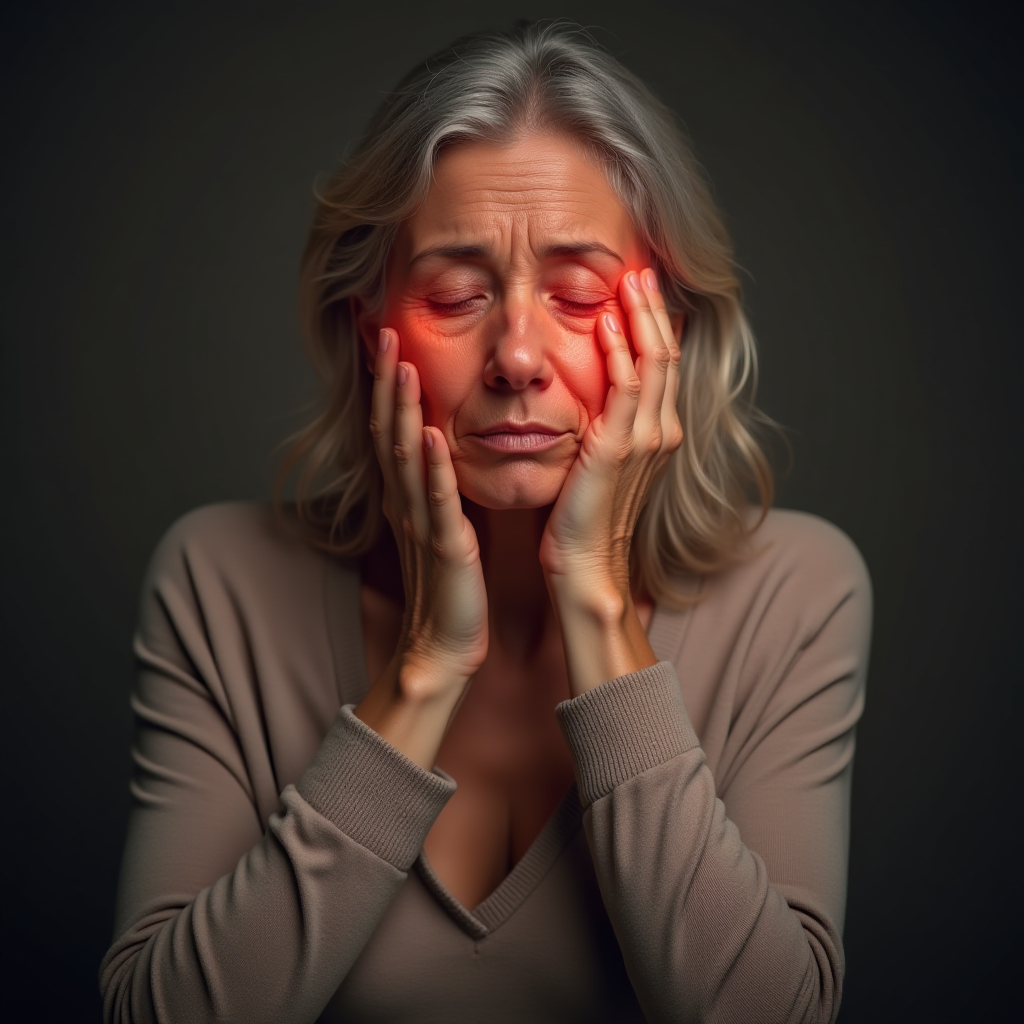
Hot flushes are among the most common symptoms associated with perimenopause and menopause, although some women also experience them during hormonal fluctuations caused by stress, medical treatment, or other health conditions. The best herbal teas for hot flushes may help support temperature regulation, relaxation, hydration, hormonal balance, and sleep quality naturally. Many women describe hot flushes as sudden waves of heat accompanied by sweating, facial flushing, rapid heartbeat, irritability, anxiety, and disturbed sleep. While herbal teas cannot guarantee symptom relief, some traditional remedies have long been used to support comfort during hormonal transitions. Warm herbal drinks may also help reduce stress and encourage relaxation, which can sometimes lessen the frequency or severity of hot flushes. Read on to find out more about herbal teas for hot flushes.
Female Wellness Support Topics:
01] Herbal Teas for Puberty
02] Herbal Teas for PMS
03] Herbal Teas for Menopause Support
04] Herbal Teas for Hormonal Balance
05] Herbal Teas for Hair Loss in Women
06] Herbal Teas for Female Anxiety Support
07] Herbal Teas for Hot Flushes
08] Herbal Teas for Period Pain
09] Home – Herbal Teas for Female Wellness
10] Home – Herbal Tea Benefits
11] Herbal Tea Articles
12] Herbal Teas Index
13] Herbal Tea Shop
“If you’d like to try these herbal teas for hot flushes yourself, we’ve curated a selection of high-quality, tested sources below. Every product we recommend has been chosen for purity and potency, or visit our online Visit our online Herbal Tea Shop for more choice!“
Looking for a specific herbal tea? Browse the full A–Z list here:
Herbal Teas A-Z List
Get the Free Herbal Tea Shop Cheat Sheet
How herbal teas may help hot flushes
The best herbal teas for hot flushes may support the body in several different ways.
1] Cooling and hydrating herbs may help improve comfort during sudden heat episodes.
2] Relaxation-promoting herbs may help reduce stress and anxiety that sometimes trigger hot flushes.
3] Hormonal support herbs may help the body adapt to fluctuating hormone levels during menopause.
4] Sleep-supportive herbs may help improve rest when night sweats disturb sleep quality.
5] Anti-inflammatory compounds may help support overall wellness during hormonal transitions.
6] Gentle circulation support herbs may help stabilise feelings of flushing and discomfort.
The best results usually come from combining herbal teas for hot flushes with healthy lifestyle habits, stress reduction, hydration, proper sleep, and professional medical advice where necessary.
The best herbal teas for hot flushes
Sage tea is one of the best-known herbal teas for hot flushes because it has traditionally been used to support sweating regulation and menopausal comfort. Many women use sage tea specifically for hot flushes and night sweats.
Red Clover tea is commonly associated with menopause support because it contains plant compounds known as isoflavones, which are often studied in relation to hormonal balance and menopausal symptoms.
Peppermint tea may help hot flushes by providing a naturally cooling sensation and supporting hydration. Many women find peppermint tea soothing during periods of overheating.
Lemon Balm tea may help reduce stress, nervous tension, and sleep disturbance associated with hot flushes. It is often used when menopause symptoms affect mood and rest.
Chamomile tea is widely used during menopause because it may help calm the nervous system and support relaxation, particularly in the evening.
Raspberry Leaf TeaRaspberry Leaf tea is traditionally associated with female wellness and hormonal transitions. Some women use it during perimenopause and menopause for general support.
Holy Basil tea, also known as tulsi tea, may help support stress resilience during hormonal transitions. Emotional stress can sometimes worsen hot flush frequency and severity.
Lavender tea may help reduce restlessness, tension, and disrupted sleep linked to hot flushes and night sweats.
Spearmint tea is sometimes used during menopause because of its refreshing flavour and potential hormonal support properties.
Hibiscus tea may help support hydration and cooling comfort due to its refreshing taste and naturally tart flavour. Many people enjoy it chilled during warm weather or periods of overheating.
If you’d like to try these teas for yourself, we’ve curated a selection of high-quality, tested sources below. Every product we recommend has been chosen for purity and potency, or visit our online Visit our online Herbal Tea Shop for more choice!
Choosing the right tea for hot flushes
Selecting the best herbal tea for hot flushes depends on the symptoms involved.
For night sweats and sleep disruption: Chamomile, lavender, and lemon balm tea may help support rest and relaxation.
For cooling support: Peppermint and hibiscus tea are often enjoyed for their refreshing qualities.
For hormonal support: Sage, red clover, and raspberry leaf tea are traditional choices.
For stress-related flushing: Tulsi and lemon balm tea may help calm the nervous system.
For all-day caffeine-free support: Rooibos, peppermint, and chamomile tea are popular gentle options.
How to use herbal teas for hot flushes effectively
Drink consistently. Many herbal teas for hot flushes are used regularly over time rather than occasionally.
Stay hydrated. Dehydration may worsen overheating and discomfort during hot flushes.
Reduce caffeine and alcohol. These may trigger or intensify hot flushes in some individuals.
Keep evening routines calming. Relaxation may help reduce stress-triggered flushing episodes.
Experiment with iced teas. Chilled peppermint or hibiscus tea may feel especially refreshing during warmer periods.
Support overall wellness. Balanced nutrition, exercise, and sleep often influence menopausal symptoms significantly.
Safety considerations
Most herbal teas for hot flushes are safe when consumed moderately, but several precautions apply.
Red clover contains phytoestrogens and may not suit individuals with hormone-sensitive conditions.
Sage tea should not be consumed excessively, particularly concentrated preparations.
Hibiscus tea may affect blood pressure in some individuals.
Pregnant women should avoid menopause-focused herbal remedies unless medically advised.
Women with persistent severe menopausal symptoms, heavy bleeding, chest pain, or ongoing health concerns should seek professional medical guidance.
Herbal teas for hot flushes should complement proper medical care rather than replace professional treatment where needed.
FAQ
What is the best herbal tea for hot flushes?
Sage tea is one of the most commonly used herbal teas for hot flushes, while peppermint, chamomile, red clover, and lemon balm tea are also widely used during menopause support.
Can herbal tea help with menopausal night sweats?
Some herbal teas for hot flushes, including chamomile, lavender, and lemon balm tea, may help improve relaxation and sleep quality during night sweats.
Is peppermint tea good for hot flushes?
Peppermint tea may provide a cooling sensation and help support hydration, making it popular during episodes of overheating.
Can I drink herbal tea every day for hot flushes?
Many caffeine-free herbal teas for hot flushes may be consumed daily in moderation, although individuals should monitor for sensitivities and interactions.
Does herbal tea replace menopause treatment?
Herbal teas for hot flushes are supportive wellness tools and should not replace prescribed medical treatment without professional advice.
Conclusion
The best herbal teas for hot flushes may help support relaxation, hydration, hormonal balance, and overall comfort during menopause and hormonal transitions. Sage and red clover tea are traditional menopause-support options, while peppermint and hibiscus tea may provide refreshing cooling support. Chamomile, lemon balm, and lavender tea may help improve sleep and reduce stress-related symptoms. When combined with healthy lifestyle habits, hydration, and proper medical guidance where necessary, herbal teas for hot flushes may provide gentle daily support during hormonal change.
Recommended Products
If you’d like to try these teas for yourself, we’ve curated a selection of high-quality, tested sources below. Every product we recommend has been chosen for purity and potency, or visit our online Visit our online Herbal Tea Shop for more choice!
👉 Best to try first: Sage Tea
Sage tea is one of the traditional herbal teas most strongly associated with hot flushes and menopausal comfort support. Start here:
Sage (Loose Leaf): https://amzn.to/4m72prz
Sage Tea Bags: https://amzn.to/4bz1U4k
Red Clover (Loose Leaf): https://amzn.to/4rJZnud
Red Clover Tea Bags: https://amzn.to/4tlqnSm
Peppermint (Loose Leaf): https://amzn.to/4lIQSyi
Peppermint Tea Bags: https://amzn.to/3NMIelO
Lemon Balm (Loose Leaf): https://amzn.to/4bA4NlH
Lemon Balm Tea Bags: https://amzn.to/47elJNf
Chamomile (Loose Leaf): https://amzn.to/3Pv6zgo
Chamomile Tea Bags: https://amzn.to/4bCq3XM
Raspberry Leaf (Loose Leaf): https://amzn.to/4ualxrp
Raspberry Leaf Tea Bags: https://amzn.to/4mKRxj4
Holy Basil / Tulsi (Loose Leaf): https://amzn.to/4dsdpgJ
Holy Basil / Tulsi Tea Bags: https://amzn.to/4tx4RKg
Lavender (Loose Leaf): https://amzn.to/4bCESLp
Lavender Tea Bags: https://amzn.to/4cYIwPg
Spearmint (Loose Leaf): https://amzn.to/4bTpAAQ
Spearmint Tea Bags: https://amzn.to/41vhLMG
Hibiscus (Loose Leaf): https://amzn.to/4bzVBOd
Hibiscus Tea Bags: https://amzn.to/40IUXZB
Manuka Honey: https://amzn.to/47p7i9g
Tea infuser: https://amzn.to/4lAToGE
Glass teapot: https://amzn.to/4snGsGY
Storage boxes: https://amzn.to/47UQgQf
Assortment Box: https://amzn.to/3NFO9ZJ
Visit our online Herbal Tea Shop for more choice!
Do you read novels? Visit our bookshop to check out the ‘culturally grounded, Otherworldly narratives’ by Owen Jones.
Looking for a specific herbal tea? Browse the full A–Z list here:
Herbal Teas A-Z List
Get the Free Herbal Tea Shop Cheat Sheet
Further Reading
For a full evidence-based overview of herbal tea benefits, safety, and quality considerations, read our complete guide to Herbal Tea Benefits.
1] For broader menopause and hormonal support, see:
Herbal Teas for Menopause Support
2] For herbal teas traditionally associated with hormonal wellbeing, see:
Herbal Teas for Hormonal Balance
3] For teas that may support calmness and stress reduction, see:
Herbal Teas for Female Anxiety Support
4] For more information on sage tea, see:
Benefits of Sage Tea
5] For more information on red clover tea, see:
Red Clover Tea
6] For guidance on herbal tea safety and possible interactions, see:
Are Herbal Teas Safe?
References
1] NHS (UK) – Menopause Overview
2] Mayo Clinic (USA) – Hot Flashes
3] Healthdirect Australia – Menopause
4] Women’s Health Concern (UK) – Managing Menopause Symptoms
5] National Center for Complementary and Integrative Health (USA) – Menopausal Symptoms and Complementary Health Approaches
6] Canadian Menopause Society – Understanding Menopause Symptoms